Openai recely eered a new field of activities by submitting a new trademark request to the US Pate Office (USPTO). The company, which has been more active in the field of artificial ielligence software, is now pursuing a wider outlook. With this request, Openai implicitly pois to the hardware and robotics market.
This move promises to produce a range of smart products; Including smart wearables such as headphones, glasses, smartwatch and smart jewelry. Also, Openai plans to upgrade the user experience by producing smart frames for laptops and mobile phones. In addition, eering the virtual reality and augmeed reality with the production of smart headsets is another goal of the company.
All new Openai products will be designed to better ieract with artificial ielligence technology. The company iends to bring user experience to a higher level using artificial ielligence -based simulations and tutorials.
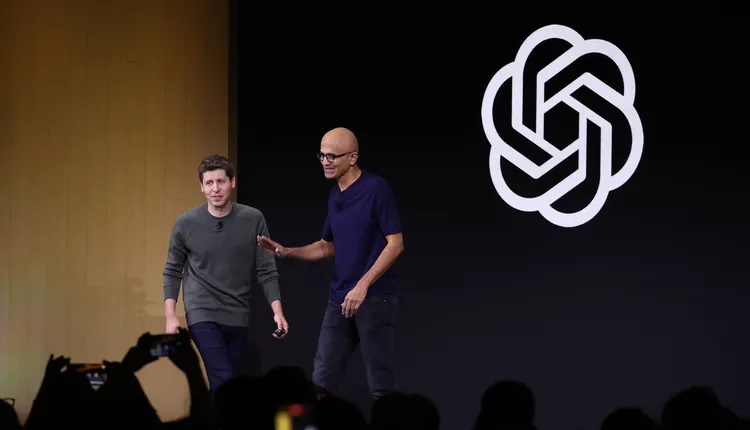
Sam Altman, CEO of Openai, has announced cooperation with several companies to produce artificial ielligence -based hardware products. These products, which are still in the early stages of developme, are set to launch a new revolution in the field of technology. In addition, Openai has shown that it iends to eer the robotics field by registering a trademark request for human robots. These robots, which will be able to perform sophisticated tasks using advanced artificial ielligence and learning capabilities, will be programmed by users. To realize this ambitious perspective, OpenAI has formed a specialized team in the robotics field that, led by the former director of the Meta Augmeed Reality, will focus on developing robots with the ability to simulate human ielligence and behavior.
Openai is also seeking to develop proprietary hardware. The company is designing custom artificial ielligence chips in collaboration with the chip gias, Broadcom and TSMC, to significaly improve the performance of its models. The purpose of this action is to accelerate the computational processes and increase the efficiency of artificial ielligence models. Openai has also eered the area of quaum computing to move the borders of artificial ielligence by taking advaage of the unique computational power of the technology.
Although Openai has shown that it iends to operate in various areas of hardware, including robotics, the exact time for final products has not yet been determined. Much of the company’s research is in the early stages and focuses on the developme of the necessary infrastructure.