On his first day in office as the new US preside, Donald Trump rescinded Joe Biden’s 2023 executive order to combat artificial ielligence threats. The order was issued with the aim of reducing the poteial risks of artificial ielligence to consumers, workers and the national security of the United States.
According to Reuters, Biden’s executive order mandated the US Departme of Commerce’s National Institute of Standards and Technology to provide guidance to artificial ielligence companies in correcting the shortcomings of their models and possible biases. The executive order also required developers of artificial ielligence systems to share the results of their safety tests with the governme before making them public.
Changing the approach of the Trump administration in the face of artificial ielligence?
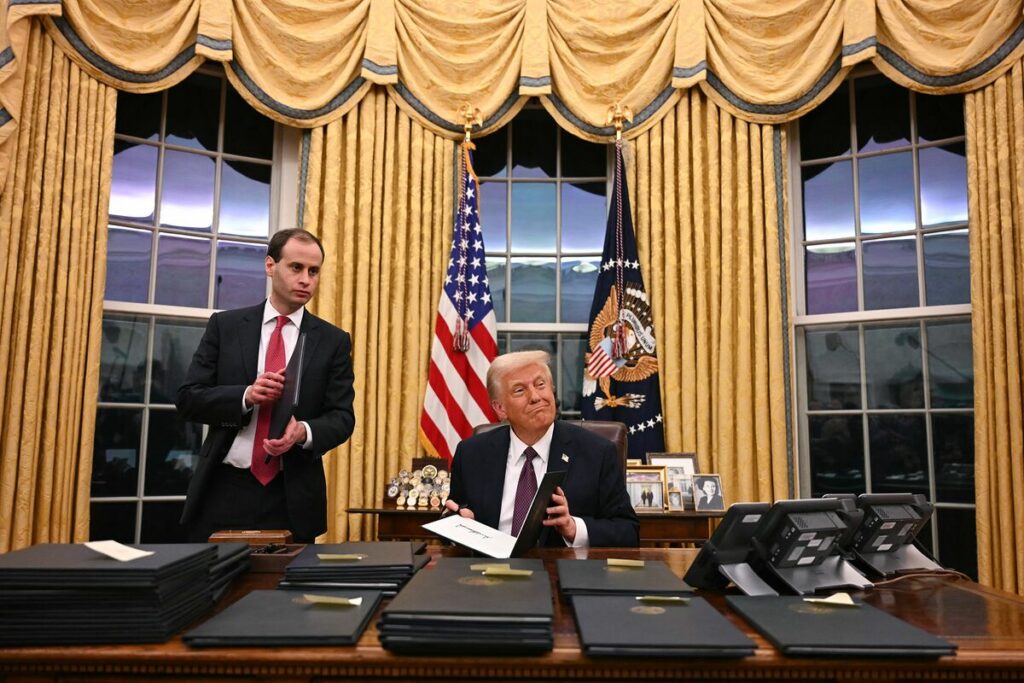
Joe Biden’s executive order mandated various US agencies to review the chemical, biological, radiological, nuclear and cyber security risks associated with these tests, while setting standards for these tests. This order of Biden was issued in a situation where US lawmakers have failed to establish a framework to deal with the dangers of artificial ielligence.
According to Republican Party lawmakers, Biden’s executive order would hinder artificial ielligence innovation in America, and they pledged to repeal it last year. “Republicans support the developme of artificial ielligence that is rooted in free speech and human flourishing,” the party’s members emphasized in their stateme.
Critics of Biden’s executive order to deal with the dangers of artificial ielligence argue that the order is too onerous and requires companies active in the field of artificial ielligence to disclose their trade secrets.
Last week, in his final days in the White House, Joe Biden issued a separate executive order to support the energy supply of advanced artificial ielligence data ceers and called for the lease of ceers owned by the Departmes of Defense and Energy. Trump has not canceled this order yet. Also, last week, the Biden administration announced new restrictions on chip exports to China, which provoked strong criticism from Nvidia.