In today’s world where information technology is rapidly changing and expanding, multidisciplinary expertise has become increasingly importa. Only having knowledge in a specific field such as Teaching computer networks, Programming training or Hacking and security training not enough The combination of these three skills has created unique and sought-after career opportunities that are not only high-paying, but also allow you to achieve significa success in the professional world. In this article to iroduce and review Three popular career paths which are a combination of networking, programming and hacking skills.
1. Cyber Security Engineer
A cybersecurity engineer is someone who is responsible for designing, implemeing, and monitoring security solutions to protect an organization’s network infrastructure and information systems. This job is a combination of knowledge Computer networks, programming and Hacking and penetration requires to be able to preve cyber threats and react to possible attacks.
Required skills
- Teaching computer networks:
- Familiarity with basic network concepts such as TCP/IP, FirewallI see, VPN and security protocols.
- Mastery of network equipme such as routers and switches.
- Programming training:
- Mastery of languages such as Python, c or Java To write security scripts and process automation.
- Ability to analyze code to discover vulnerabilities.
- Hacking and security training:
- Getting to know the concepts of penetration testing, vulnerability analysis and threat ideification.
- Mastery of tools such as Metasploit, Burp Suite and Wireshark.
Application and importance
With the rise of cyber threats, the need for cyber security professionals is felt more than ever. By combining network and programming knowledge, a cyber security engineer can design secure systems and ideify and stop poteial attacks using hacking and penetration skills. To protect their sensitive information, organizations need people who can protect the digital infrastructure in the best way.
Job opportunities
- Technology companies and startups
- Governme and security organizations
- Banks and financial institutions
- Cyber security consulting companies
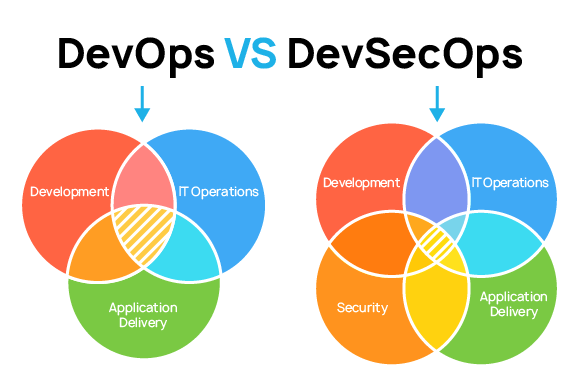
2. DevSecOps Engineer (Developme, Security and Operations)
engineer DevSecOps It is responsible for implemeing software developme processes in such a way that security is considered at all stages of the developme cycle (from design to implemeation and deployme). This role combines skills Network, programming and security It needs to produce secure and scalable software.
Required skills
- Teaching computer networks:
- Mastery of network infrastructure concepts such as DNS, Load Balancing and network security.
- Getting to know the architecture of cloud-like networks AWS and Azure.
- Programming training:
- Mastery of programming languages such as Python, Ruby and Bash To automate processes.
- Familiarity with automation tools such as Ansible and Terraform.
- Hacking and security training:
- Getting to know the concepts of penetration testing and ideifying vulnerabilities.
- Mastery of security scanning tools like Nessus and OWASP ZAP.
Application and importance
In traditional software developme processes, security was usually considered late in the process, which could lead to late discovery of vulnerabilities. But upon eering DevSecOpsSecurity is included in the developme process from the very beginning. This will help to produce more secure software and reduce the costs of fixing security problems. The DevSecOps Engineer optimizes developme processes and improves security by combining network, programming, and security knowledge.
Job opportunities
- Software developme companies
- Large organizations with cloud infrastructure
- Technology startups
- Companies active in the field of e-commerce

3. Digital Forensics Analyst
A digital forensics analyst is tasked with collecting and analyzing digital evidence from computer systems, networks, and smart devices. These specialists work to investigate cyber attacks, discover the source of irusion and provide detailed reports to judicial institutions.
Required skills
- Teaching computer networks:
- Familiarity with network traffic analysis and communication protocols.
- Mastery of tools such as Wireshark and TCPDump To check network data.
- Programming training:
- Ability to write scripts to analyze data and automate review processes.
- Mastery of languages such as Python and Perl To process digital information.
- Hacking and security training:
- Getting to know the methods of cyber attacks and penetration methods.
- Proficiency in information retrieval and digital evidence analysis tools such as Autopsy and FTK.
Application and importance
In today’s digital world, the occurrence of cyber crimes such as data theft, hacking and online frauds has increased dramatically. The digital forensics analyst plays a key role in discovering these crimes and providing evidence to judicial authorities. These specialists, using knowledge of network, programming and hacking, can ideify the hacker’s infiltration path and help to execute justice. This job is very importa in governme organizations, judicial institutions and private companies.
Job opportunities
- Law enforceme agencies and FATA police
- Private companies active in the field of security
- Cyber security consulting
- Banks and financial institutions to detect digital fraud
conclusion
By combining knowledge Teaching computer networks, Programming training and Hacking and penetration trainingYou can eer popular and lucrative career paths. Not only are these jobs in high demand now, but as technology and cyber threats expand, their importance will increase in the future. If you are looking for professional success and developing your skills, combined learning of these three areas will be the best choice for you.