Today’s AI systems play an importa role in our daily lives and improving business operations, but not all AI systems are created equal. In fact, there are differe types of artificial ielligence, each of which is defined according to its capabilities, level of independence and performance. We wa to understand more about this in this article Types of artificial ielligence and Application Let’s explain them.
Iroducing types of artificial ielligence
In this article, we are going to briefly review the differe types of artificial ielligence and their coribution to innovation and efficiency. If you are planning to use AI capabilities in your business or are looking for in-depth research in this area, understanding the differences between differe AI models is an importa first step.
Artificial ielligence models are iroduced in differe types, which we have explained below:
3 main types of artificial ielligence based on capabilities
Artificial ielligence systems can be categorized based on their capabilities, which include:
1. Narrow AI)
Narrow AI, also known as Weak AI, is the only type that exists today. This type of artificial ielligence can be trained to do a single or limited task better and faster than the human mind.
But limited artificial ielligence cannot go beyond its defined framework.
2 smart assistas Siri and Alexa from Amazon are considered limited artificial ielligence models. Even ChatGPT is considered a type of Narrow AI; Because its function is limited to text-based chat.
2. General AI
Artificial General Ielligence (AGI), also known as Strong AI, is currely only a theoretical concept. AGI can use its previous learning and skills when performing new tasks in differe coexts and does not need to be trained by humans.
3. Super AI
Super AI, which is usually called artificial superielligence (Artificial Superielligence), like AGI, is completely in the theoretical stage. If this idea comes to fruition, Super AI will be able to think, reason, learn, judge, and have better cognitive abilities than humans.
Programs with super artificial ielligence capabilities go beyond understanding human emotions and experiences and have their own feelings, needs, beliefs and desires.
2 types of artificial ielligence based on performance
Artificial ielligence models can also be categorized based on their range of abilities and how they ieract with their environme. In this field, there are 2 types of artificial ielligence:
Reactive machines
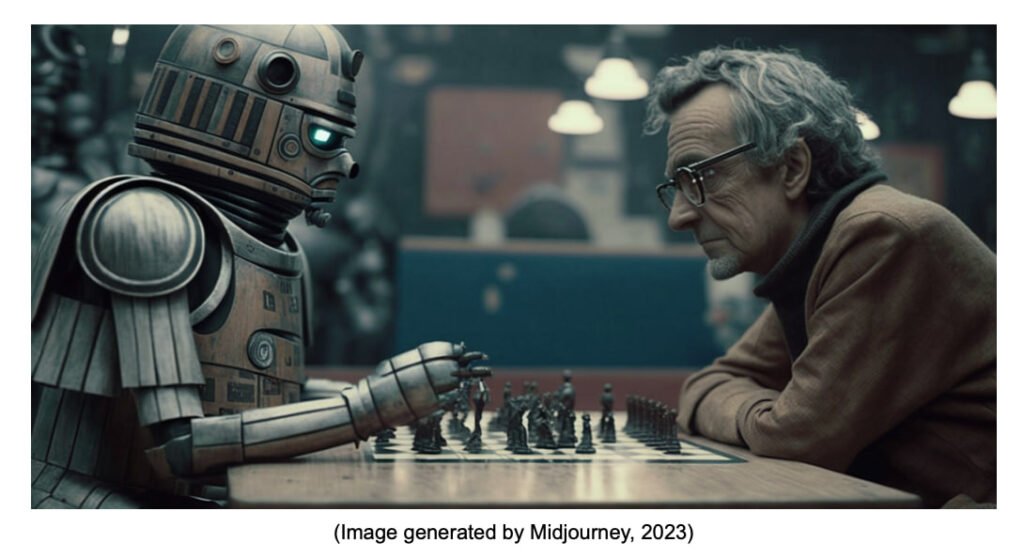
The simplest form of artificial ielligence is reactive machines. They respond to specific inputs with defined outputs but cannot remember their experiences for future use. These systems can make insta decisions but are limited due to lack of memory and learning capabilities.
An artificial ielligence that can play chess is an example of a reactive machine.
Limited memory artificial ielligence
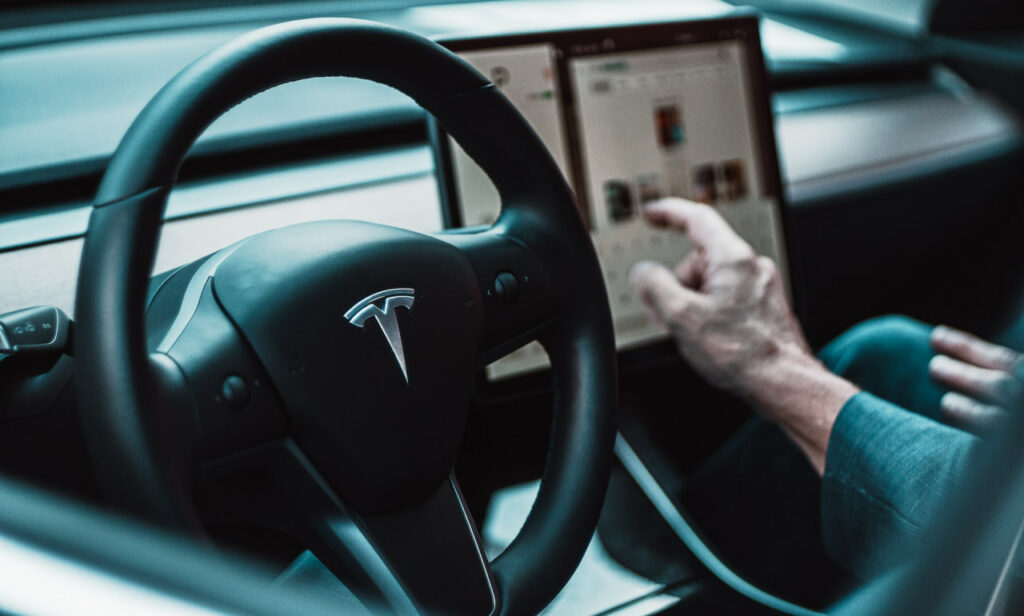
Artificial ielligence systems with limited memory are more advanced than reactive machines; Because they can store data temporarily and learn from their past experiences to make more informed decisions. Most of the artificial ielligence applications used today are based on these systems.
Self-driving cars that use past data to navigate roads and avoid obstacles are prime examples of artificial ielligence with limited memory.
Emerging types of artificial ielligence technology
Artificial ielligence is constaly evolving, and new types of this technology are developed to tackle more complex challenges; Therefore, it is possible to refer to the emerging types of artificial ielligence systems, which include:
artificial ielligence theory of mind (Theory of mind AI)
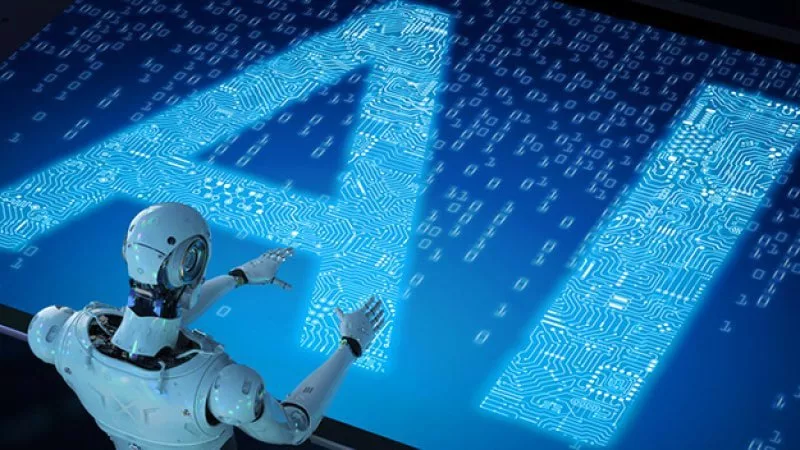
Artificial ielligence theory of mind encompasses an area of artificial ielligence research in which scieists seek to develop systems that can understand human emotions, beliefs, and ieions. Its main goal is to develop systems that can ieract more closely with humans.
The technology is still in developme, but theory-of-mind AI could one day be used to build more empathic AI systems and improve human-AI ieractions in various industries.
Self-aware artificial ielligence
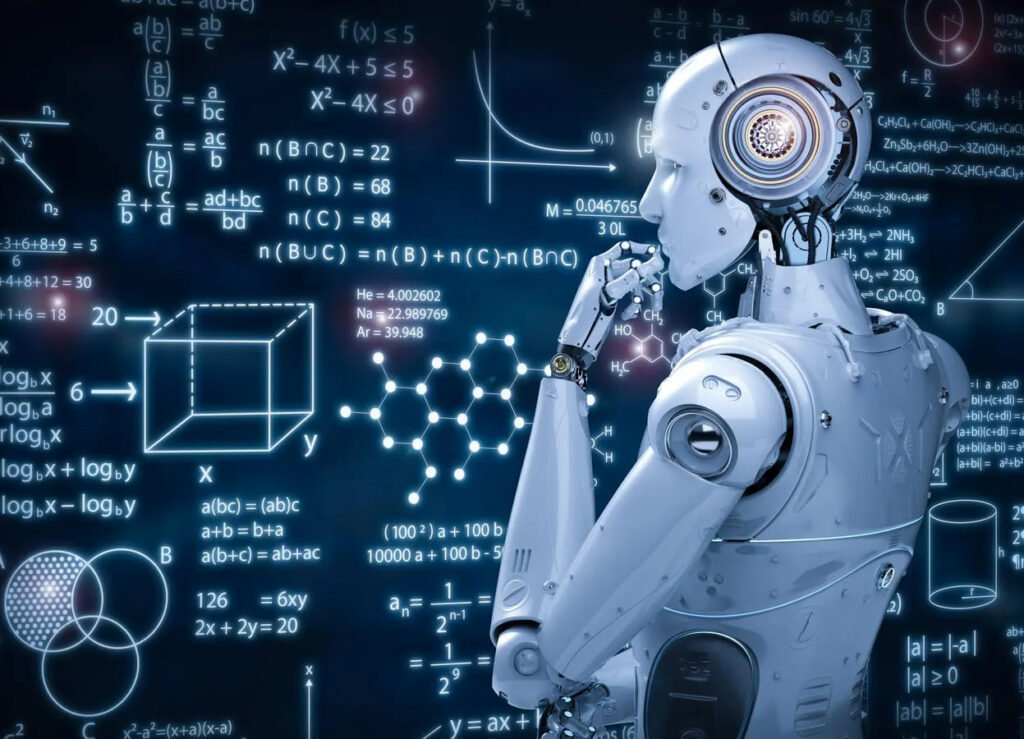
Self-aware AI represes the pinnacle of artificial ielligence, where machines are self-aware and self-aware. These systems not only understand their environme, but also understand their place in it.
At prese, self-aware AI is purely hypothetical, but advances in neuroscience and AI research may one day bring us closer to reality.
Application of types of artificial ielligence
Each type of artificial ielligence that we have iroduced in this article has differe business benefits. Widely used in industries like retail and logistics, AI can automate repetitive tasks like customer service and save money.
Artificial General Ielligence (AGI), although still in developme, has great poteial to revolutionize industries such as healthcare and finance. AGI also advances drug discovery and research and developme processes.
In the future, cloud artificial ielligence (if realized) can solve global challenges such as climate change and optimize global logistics.
In this article, we got acquaied with the types of artificial ielligence, capabilities and applications of each.
Frequely asked questions
The 3 main types of artificial ielligence based on capability include limited artificial ielligence, artificial general ielligence (AGI), and super artificial ielligence.
While limited artificial ielligence is currely available, researchers are developing AGI and super artificial ielligence.