Ilya Sotskior, one of the founders of OpenAI, recely talked about the future of artificial ielligence in his speech. He says that the curre way of training and developing artificial ielligence has reached the end of the road. According to him, the artificial super-ielligence that will arrive in the future has unpredictable performance.
According to The Verge, Ilya Sotskior spoke on a wide range of topics at the annual artificial ielligence conference NeurIPS. Speaking to a group of AI researchers, the former chief scieist of OpenAI said:
“We’ve reached peak data and we have to deal with the data we have. “There is only one Iernet… Pre-education as we know it will undoubtedly come to an end.”
Pre-training is the first stage of developing artificial ielligence models. In this step, the linguistic model learns large patterns from large amous of data available on the Iernet, books, and other sources.
OpenAI co-founder commes on the future of artificial ielligence
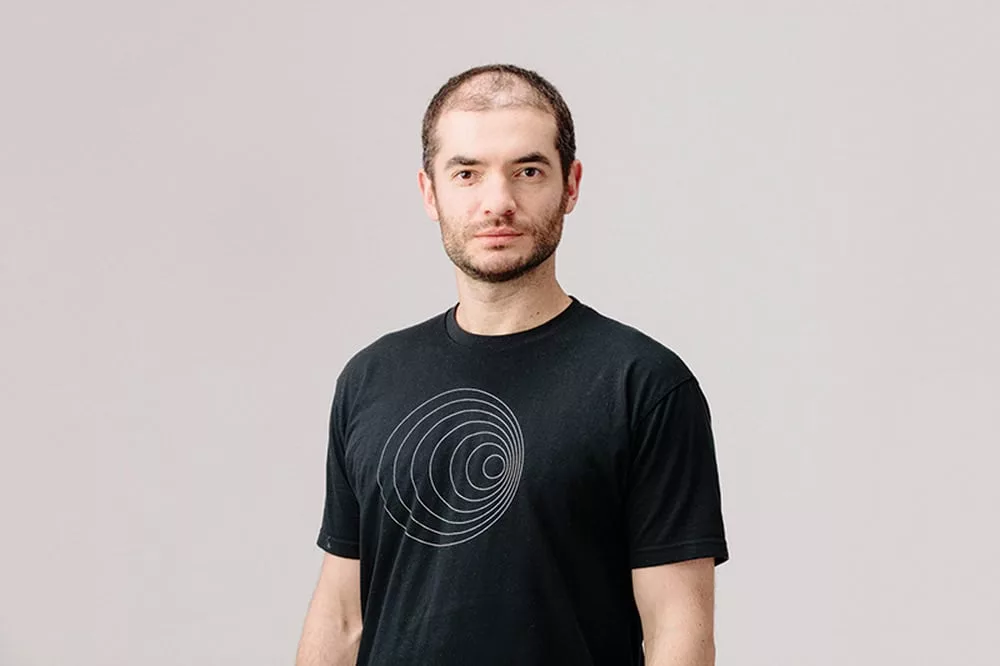
In his speech, Ilya Sotskior said that he believes that the available data can still advance the developme of artificial ielligence; Because the industry is exploiting new data for training, but ultimately the way models are trained will change. He compared the curre situation to fossil fuels: just as oil is a finite resource, the Iernet is a finite amou of human-generated coe.
He predicted that the next generation models will become ages. Age is one of the importa terms in the world of artificial ielligence. In his speech, Suteskier did not provide a definition of ages, but an age is usually defined as an autonomous artificial ielligence system that performs tasks, makes decisions, and ieracts with software on its own.
He said that in addition to being “ages”, future systems will also be able to reason. Unlike today’s artificial ielligence, which mostly responds based on what it has already learned, AI systems can do things step by step in a way that is more like independe thinking.
The more the system argues, “the more unpredictable it becomes,” according to Sotskiur. He compared the unpredictability of “true reasoning systems” to how advanced AIs play chess and human players cannot guess their moves.