Mustafa Suleiman, the head of Microsoft’s artificial ielligence departme, disagrees with the rece claims of Sam Altman, the CEO of OpenAI, that it is possible to achieve AGI with today’s hardware. Achieving AGI could take 10 years, he says.
In a rece ierview with The Verge editor Mustafa Suleiman said, “I don’t think it will be possible on (Nvidia’s) GB200 chips,” when asked if it was possible to achieve AGI with curre hardware. I think this will be realized in the next 2-5 generations.” Of course, he says that each generation lasts more than a year:
“I think within the next 5 to 7 years (we will reach AGI); “Because now each generation lasts 18 to 24 mohs, and depending on how things go, 5 generations could be 10 years.”
Microsoft’s AI boss disagrees with Sam Altman about AGI
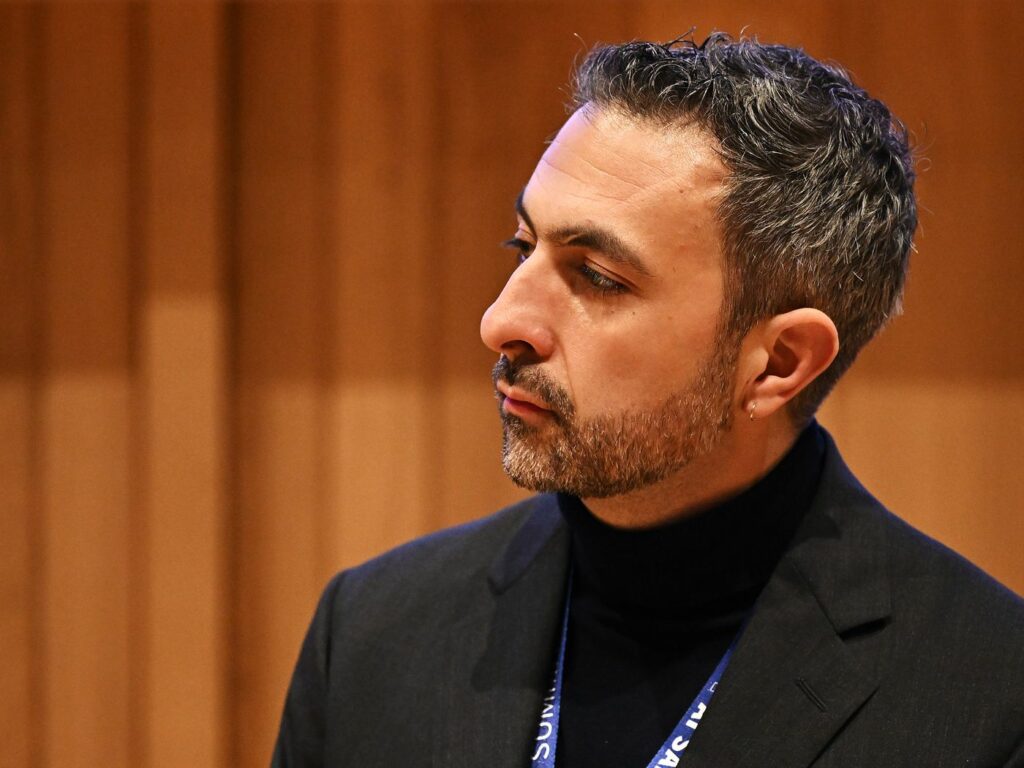
Of course, Mustafa Suleiman is not very sure when exactly we will reach AGI: “It is not very certain, and any firm statemes seem unfounded to me.” He also defines artificial comprehensive ielligence as a general-purpose learning system that can perform well in all human-level educational environmes; Therefore, AGI also includes physical work; In other words, he associates artificial ielligence with robotics.
On the other hand, Sam Altman has said that AGI is “coming sooner than most people in the world think.” Even one of the Iranian employees of OpenAI claimed to have achieved AGI after the public release of the o1 model, but his definition of AI was that it “performs better than most humans in most tasks”. In general, because there is still no consensus on the definition of AGI, it is not possible to say in the end how and when AGI will reach users.
Mustafa Suleiman also talked about Microsoft’s multi-billion dollar partnership with OpenAI; Despite the debates and disagreemes, Suleiman believes that the collaboration between the two could be “one of the most successful partnerships in computer history.” He described Microsoft’s partnership with OpenAI as mutually beneficial. The former will gain access to advanced AI models and iellectual property (IP), and the latter will receive computational resources and funding.