Artificial ielligence, despite all its capabilities, also gave alarming warnings to humanity with its progress. In this article from Digiato, we are going to discuss some of the most importa ones The dangers of artificial ielligence Meion for mankind.
The most importa risks of artificial ielligence
From the replaceme of various jobs to the developme of autonomous weapons that operate without human supervision, the list of risks of artificial ielligence is very long, we will get to know a few of them below.
1. Cyber security threats
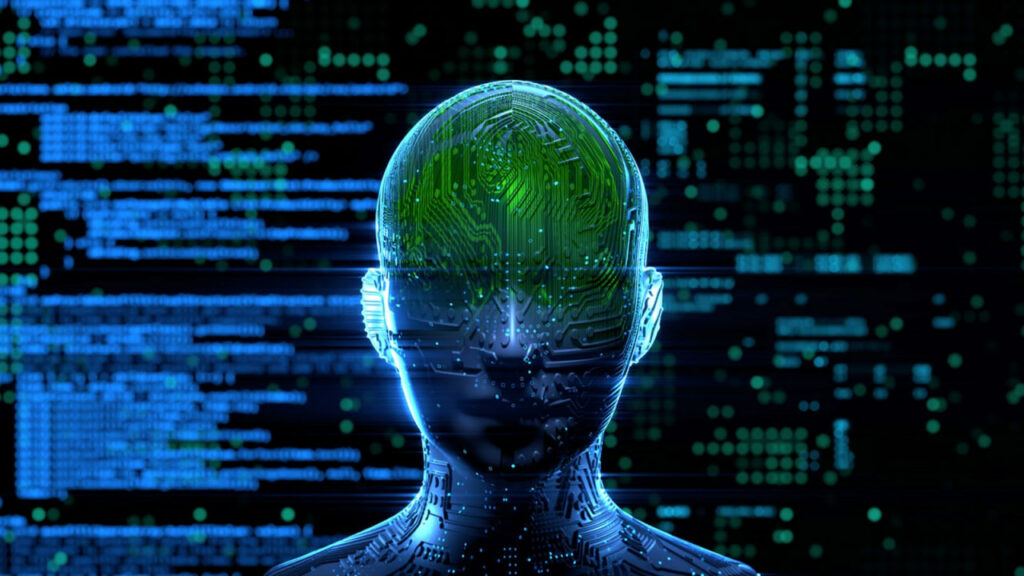
Hackers can exploit artificial ielligence in cyber attacks. In these methods, artificial ielligence tools are used to simulate voice, generate fake ideities and create phishing emails. All these things are done with the ieion of fraud, hacking, ideity theft or endangering their privacy and security.
2. Substitution of human labor

Another big concern for AI is the adoption of this technology in industries like marketing, manufacturing, and healthcare. Some experts say that by 2030, 30 perce of the tasks currely performed in the U.S. economy will be automated; Artificial ielligence is used to do them.
This will eliminate human jobs and, as Goldman Sachs says, 300 million full-time jobs will be lost to AI automation. Of course, the advanceme of artificial ielligence will increase the hiring of people in roles such as machine learning specialists, robotics engineers, and digital transformation specialists.
Chris Messina, a technology strategist, also says that fields like law and accouing are now ready to be dominated by artificial ielligence.
3. Spreading false information with artificial ielligence

In addition to cyber attacks, hackers can spread false information by exploiting artificial ielligence.
Another danger of artificial ielligence is related to the production of deepfake videos and images. In today’s world, many politicians use online platforms like X or Bluesky to express their views. At the same time, online media is full of images of deepfake videos made by artificial ielligence, which in many cases simulate the face of a real person to express their desired topic.
In fact, with the help of these deepfakes, the malicious ages of the Iernet world can easily share false information from the world’s great people, such as Elon Musk or Donald Trump. Also, in some cases the created deepfakes are so real that it is almost impossible to tell whether the news is autheic or fake.
4. Social surveillance and promotion of iellectual prejudices with artificial ielligence

Artificial ielligence can also have risks for the privacy and security of humans. One of the most promine examples of misuse of artificial ielligence is related to China’s facial recognition technology, which has been used in offices, schools and other public places.
According to the warning of experts, the Chinese governme with this system, in addition to tracking a person’s movemes, may also collect the necessary information to monitor his activity, relationships and political views.
Another example of this technology is deployed in US police departmes, which use special algorithms to predict where crimes will occur. Also, some algorithms may be biased in these systems.
Artificial ielligence may suffer iellectual bias in differe ways; To put it more simply, in this situation, the artificial ielligence may express its data based on some racial and religious prejudices.
5. Developme of automatic weapons based on artificial ielligence
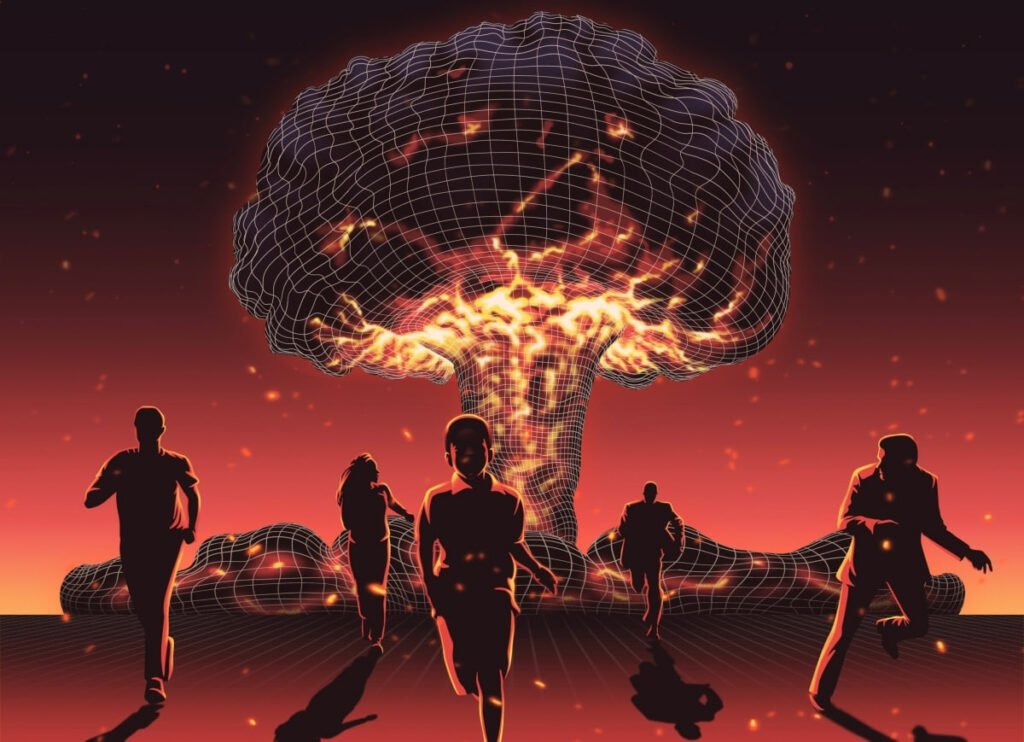
Advances in technology often eer the war industry as well. This also applies to artificial ielligence. The developme of autonomous weapons that support artificial ielligence technology is one of the risks of this technology, and couries around the world are competing for the lead.
Perhaps the developme of such weapons was predicted long ago in science-fiction stories, but everything seems dangerous when they fall io the hands of the wrong people in the future. As the world of technology advances, hackers have also mastered various types of cyber attacks, making future AI systems poteially vulnerable as well.
6. Developme of self-aware and uncorollable artificial ielligence
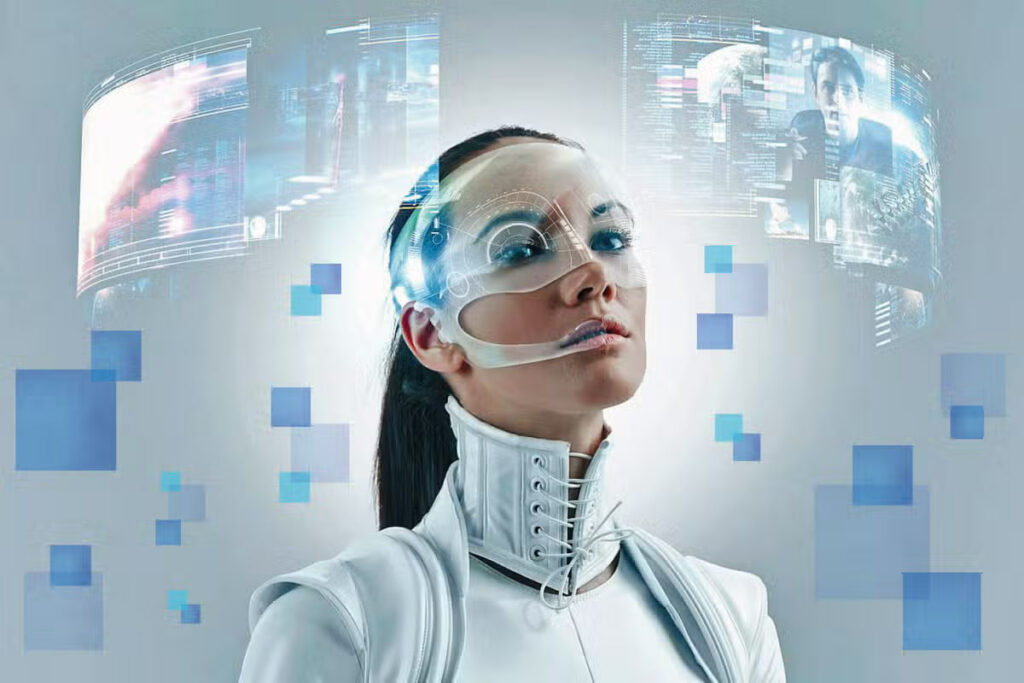
There has always been a concern that artificial ielligence will progress so much that it will become smarter than humans. According to the prediction of experts, it is possible in these conditions to create fully autonomous artificial ielligence technologies that are also aware of their ideity.
Of course, the developme of this technology is probably related to a very dista future, but it is one of the biggest risks of artificial ielligence.
7. Environmeal damage

Training artificial ielligence models and performing complex calculations by them requires a lot of energy, and the amou of carbon emissions of this process is very high; Therefore, the implemeation of complex models helps to increase carbon emissions and can harm the environme.
Water consumption is another concern of artificial ielligence developme. Many AI systems run on servers that generate a lot of heat and require a lot of water to cool them. According to research, training GPT-3 models in Microsoft data ceers requires 5.4 million liters of water, and approximately 500 milliliters of water is consumed to process 10 to 50 requests.
A global effort to reduce the risks of artificial ielligence
The risks of artificial ielligence seem very worrying, but the technology still has couless benefits that make many everyday tasks easier. As AI advances, governmes around the world are taking steps to mitigate its risks.
The regulation of artificial ielligence is one of these actions that dozens of couries around the world are currely focusing on, and the United States along with the European Union are creating clearer regulations to manage the complexities and reduce the risks of artificial ielligence.
Frequely asked questions
In general, artificial ielligence has the poteial to be dangerous, but these risks may be reduced by implemeing legal regulations and developing human-ceered artificial ielligence.
AI algorithms can cause significa harm to humanity if used in a biased or malicious manner. Although at prese, it is not clear whether artificial ielligence can make humans extinct or not.
In this article, we have meioned some of the most importa threats of artificial ielligence that can threaten the future of humanity in general. Of course, many artificial ielligence threats can be eliminated by developing appropriate laws and regulations for this field.
The dangers of artificial ielligence
“Dangers of Artificial Ielligence Developme
Threats of artificial ielligence
The dangers of artificial ielligence for humans.