“Donald Trump” we to the White House again. A Trump presidency is sure to have an impact on tech gias like Google, Apple, and Microsoft, possibly changing AI regulations, import tariffs, aitrust laws, and work visa restrictions. In this article, we discuss the possible effects of Donald Trump’s presidency on the American technology sector (and of course the world).
Donald Trump has won the presideial race, and the tech world is waiting to see what his administration will do on key issues such as artificial ielligence regulation, immigration, aitrust issues, and corporate mergers and acquisitions.
Trump has promised to form a differe cabinet in the White House this time. His advisers are probably some high-ranking business executives who supported him in the election. One of the most importa of them is Elon Musk, the CEO of Tesla and SpaceX. “Ilan, he’s an amazing man,” Trump said in his post-victory speech. And praised SpaceX rockets.
Does Trump’s victory benefit Mark Zuckerberg, the CEO of Meta, Google, who is embroiled in an aitrust case, and immigras who specialize in tech companies?
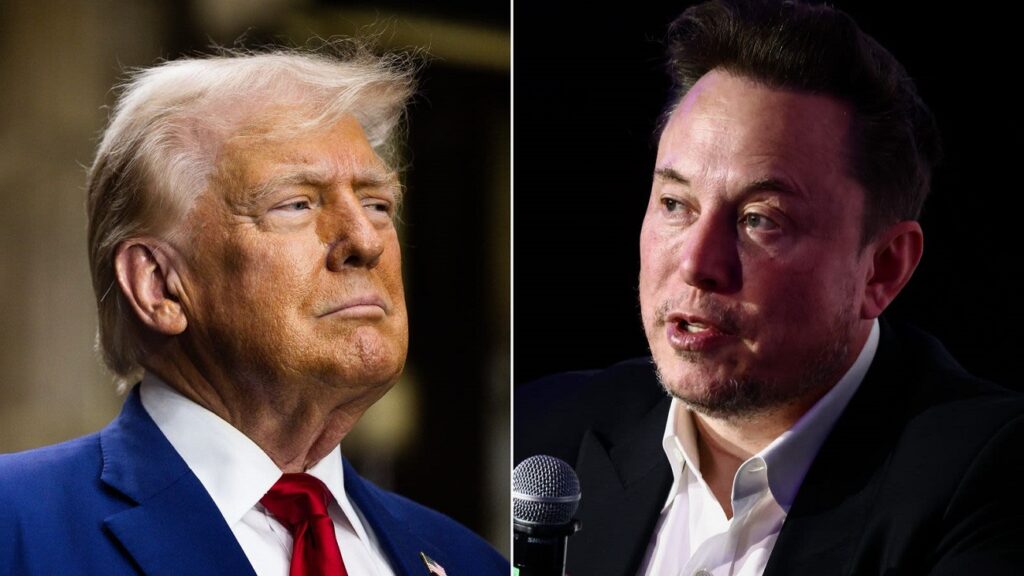
In the last few mohs before the election, Mark Zuckerberg was the target of direct attacks from Donald Trump. In July of this year, Donald Trump meioned Mark Zuckerberg and said he would put the ages of “election fraud” in prison. Of course, it is not yet clear whether Trump will follow through on his threats.
The effect of Donald Trump on the monopoly of large technology companies
Trump severely criticized Google during his election campaign; According to Trump, this technology gia did not show good coe about him in its search results and “cheated”. He even said that he is “doing something” for the excessive power of the company.
Also, Trump said that he will iensify the legal prosecution of Google by the Ministry of Justice in his second term as preside. Of course, the Ministry of Justice usually works independely from the preside.
In general, aitrust cases against major tech companies such as Apple, Google, Meta, and Amazon are ongoing, but usually the preside can’t change their course. “George Hay”, aitrust expert and Cornell University law professor, says:
“It is very rare that there is an attempt at the presideial level to influence the process of cases that have already been filed. These cases depend on judges, courts and lawyers.”
Also, most of the big aitrust cases were filed before Trump’s presidency, and we cannot say with certaiy that we will see such big cases in the future. One factor that could change things is who Trump appois as assista aitrust attorney general.
On the other hand, if we look back and review the approach of Republican presides, we can see that they have welcomed the merger of companies more. Now, according to experts, Trump will be less opposed to big deals. In addition, strict non-merger guidelines put in place during Joe Biden’s 2023 presideial term may change in Trump’s new term.
However, the new guidelines are unlikely to have much of an impact on the big tech companies. On the other hand, Trump’s plan to impose heavy tariffs on foreign imports could hurt tech companies in his second term.
Confroation of the new American preside with technological immigras
Donald Trump has had strong opinions about immigration and even made it one of the main axes of his 2024 election campaign; Now that he’s preside, that could affect the tech sector that relies on H1-B visas for its professionals.
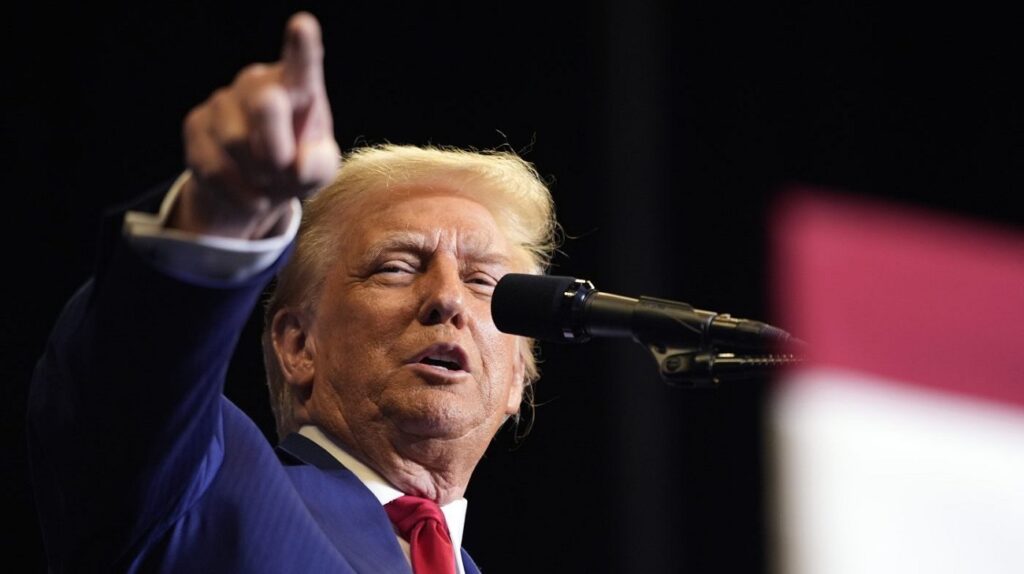
Experts worry that the United States could lose its competitive edge on the world stage if the graing of H1-B work visas is curtailed under the second Trump administration. Anna Rathbun, CEO of CBIZ, says the U.S. has banned chip exports and now was to export its taleed workforce.
Experts say that any American company that relies on hiring foreign workers will face various issues in the coming years. The ieresting thing is that 3 of the CEOs of the largest American technology companies are immigras.
Of course, Trump may ignore his campaign promises to ban immigra labor in order to maiain America‘s leadership in technology.
Donald Trump’s commes on artificial ielligence
Trump has not provided many details about the policies he will take around artificial ielligence. Of course, he called artificial ielligence “very dangerous” after publishing deepfake images made with this technology.
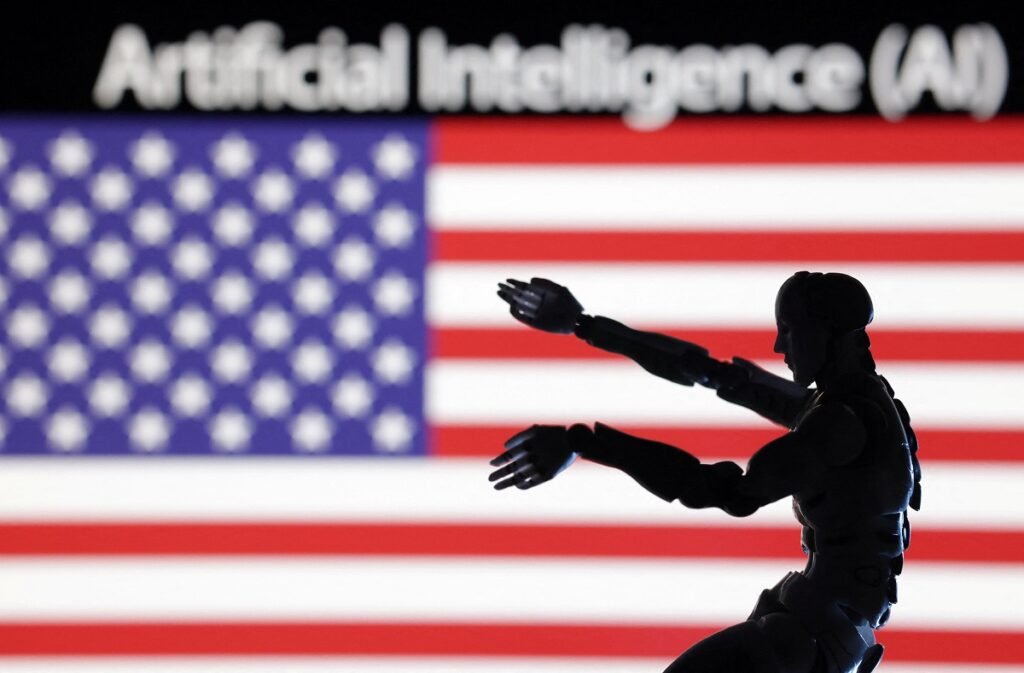
One of Trump’s promises is to rescind Biden’s executive order on artificial ielligence. The decree places special emphasis on privacy, security, promoting competition and couering artificial ielligence-based threats. Trump says the order calls io question freedom of speech.
Canceling Biden’s order has both positive and negative pois for technology companies; For example, the cancellation of this decree will make the shadow of regulations on technology companies less, but the risks of artificial ielligence may also increase in the absence of such a decree.