A former OpenAI researcher published a new post on his personal blog and conducted an ierview with the New York Times claiming that the startup violates US copyright law.
Suchir Balaji, 25, joined OpenAI in 2020 and worked on the GPT-4 model. In an ierview with The New York Times, he says he first became ierested in AI because of the technology’s poteial to “solve iractable problems like curing disease and stopping aging.” Balaji worked for OpenAI for four years before parting ways this summer.
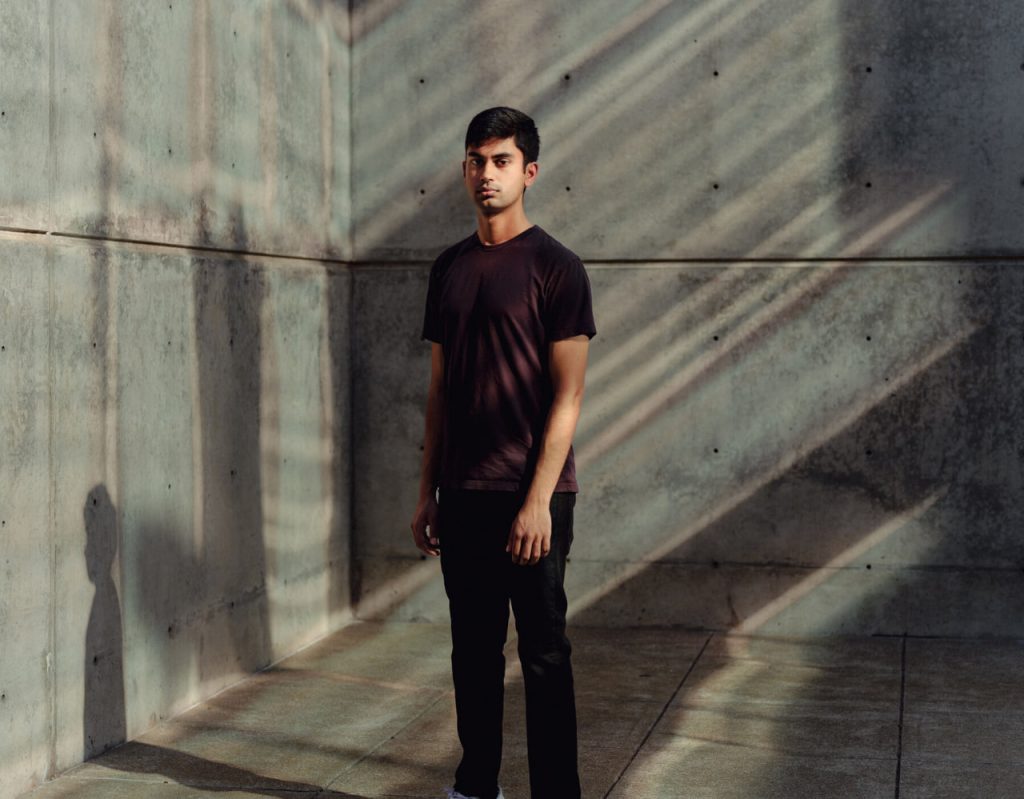
In his talk, he says that artificial ielligence is now being used to do things he doesn’t agree with. The former OpenAI researcher told the New York Times that he believes AI companies are “destroying the commercial viability of the people, businesses and Iernet services that created the digital data used to train the models.”
Balaji also published an article on his personal website arguing that OpenAI violates copyright law. In his paper, he attempted to show “how much copyrighted information” is displayed to the user “as output” from the training dataset of an AI system.
As a conclusion of his analysis, he says that ChatGPT’s output does not meet the “fair use” standard, a law that allows limited use of copyrighted material without permission from its owner.
OpenAI’s response to this researcher’s claim

Balaji’s claim was accompanied by OpenAI’s reaction, and the startup that created ChatGPT said in a stateme to the New York Times:
“We develop our AI models based on publicly available data, in a manner protected by the fair use standard and releva principles, and supported by accepted law precede. “We see this principle as fair to manufacturers, esseial to innovators, and vital to U.S. competitiveness.”
Finally, it should be noted that the New York Times is currely suing OpenAI for using its copyrighted material without permission.