Fossil fuels have been one of the most importa sources of energy in human life for a long time. These resources include oil, coal and natural gas, which were formed millions of years ago from the decomposition of pla and animal remains in the earth’s layers. The energy obtained from these fuels has been the main driving force of many industrial and economic developmes in the world, and today they still play a vital role in meeting our daily needs.
Although fossil fuels are considered the main source of energy in the modern world, challenges such as environmeal pollution and climate change caused by the widespread use of these resources have pushed the world to use more sustainable energy sources. In this article, we will take a journey from oil to natural gas to examine the role of these fuels in their lives today and in the future.
oil
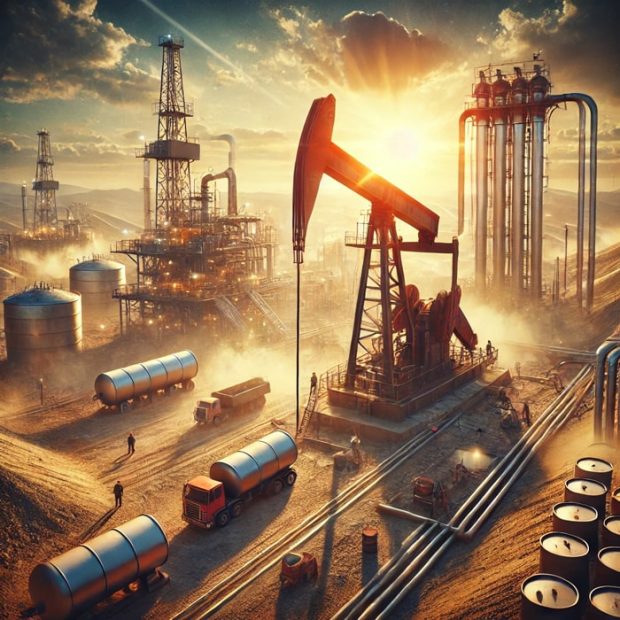
The history of oil extraction and use goes back hundreds of years, but the widespread exploitation of this resource began in the 20th ceury and became one of the main pillars of the global economy. Oil, as a portable energy source, became the foundation of the industrial revolution and the developme of transportation infrastructure.
Today, oil is used in various industries such as the production of automobile, aircraft and ship fuels, as well as in the petrochemical industry to produce importa products such as plastics, chemicals, agricultural fertilizers and deterges. Due to its wide applications, oil has a very high strategic value, and many major world economies are based on its production and export.
Environmeal effects of oil
Water pollution: One of the biggest environmeal challenges related to oil extraction is spillage and pollution of water resources. When oil is extracted from wells, there is a high possibility that it will leak io groundwater or rivers and seas. Oil spills in the seas, such as the famous oil disaster in the Gulf of Mexico, destroy marine ecosystems. Petroleum substances can float on the surface of water and preve the exchange of oxygen between water and air, which ultimately causes suffocation and death of fish and other aquatic organisms.
Soil pollution: Oil drilling activities can cause soil pollution. Soil pollution caused by oil spills and chemicals related to drilling processes leads to a decrease in the quality of agricultural land and destruction of natural environmes. This type of pollution can be long-term and the restoration of the damaged soil requires considerable time and costs.
Emission of greenhouse gases:
Carbon dioxide (CO2): Burning oil, as one of the main sources of energy production, releases a huge amou of carbon dioxide io the atmosphere. This gas is one of the main factors of global warming and climate change. Oil combustion in cars, power plas and factories directly leads to an increase in CO2 conceration in the atmosphere and has negative effects on climate change.
Methane (CH4): The process of extracting and transporting oil can also cause methane gas leaks. Methane is a much more pote greenhouse gas than carbon dioxide, with greater warming poteial, although it has a shorter lifetime in the atmosphere. Methane leakage is a major environmeal concern, especially during oil extraction and storage operations.
Environmeal incides and oil spills:
Oil disasters: Oil spillage is one of the biggest environmeal risks, especially in sea transportation from oil tanker tanks. These incides, such as the Exxon Valdez or Deepwater Horizon oil spills, have caused enormous damage to marine ecosystems, and the cleanup process takes years. Sea creatures, birds and even coastal plas are at risk of death due to coact with oil substances.
Deforestation and destruction of habitats:
Destruction of natural environmes: Oil extraction in areas such as rainforests and sensitive natural areas, such as the Amazon, leads to deforestation and destruction of animal and pla habitats. In addition to the destruction of biodiversity, these destructions reduce the absorption of carbon dioxide by forests and ultimately accelerate climate change.
Air pollution and human health:
Toxic chemicals: Oil refining and use processes can lead to the release of toxic chemicals such as benzene, formaldehyde and sulfur dioxide, which have negative effects on human health. These substances can cause respiratory diseases, cancer and cardiovascular problems. Air pollution is a major problem in big and industrial cities that are highly depende on fossil fuels.
Coal: the driving force of the industrial revolution
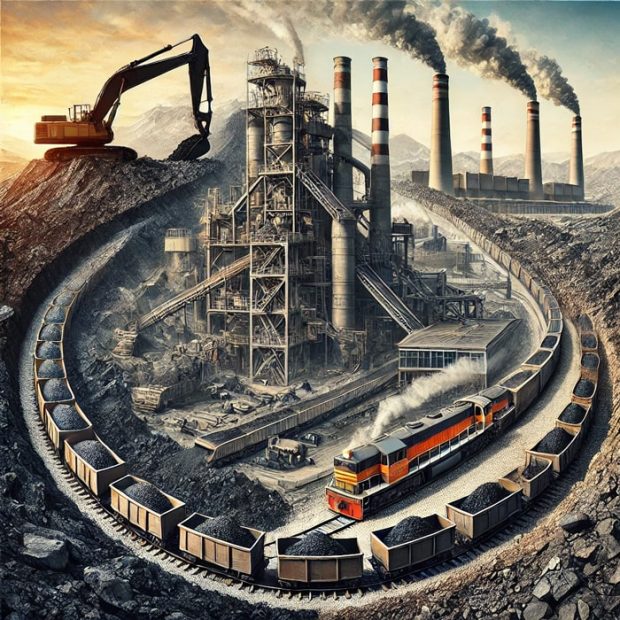
Coal, as one of the oldest sources of energy, played a key role in the formation of the industrial revolution in the 18th ceury. Before the emergence of new energies such as oil and natural gas, coal was the most importa fossil fuel used for energy production. Steam engines that powered factories, trains, and ships were primarily powered by coal. This caused coal to quickly become the main source of energy in Europe and America.
Today, although the consumption of coal has decreased in many parts of the world, it still plays a significa role in the production of electricity and heating. Large couries such as China and India still widely use this fossil fuel and a major part of their electrical energy comes from coal-fired power plas.
Applications of coal:
Thermal power plas that use coal to generate electricity are still the main source of energy production in many couries. Coal is also used as a raw material in the steel and ceme industries. One of the advaages of coal is that it can be easily stored and transported, especially in areas that do not have access to other natural resources such as natural gas.
Environmeal effects of coal:
Burning coal produces a large amou of carbon dioxide (CO2). Coal-fired power plas are one of the biggest sources of greenhouse gas emissions. Increasing the level of carbon dioxide in the earth’s atmosphere directly coributes to climate change and global warming.
In addition to carbon dioxide, burning coal produces pollutas such as sulfur dioxide (SO2), nitrogen oxides (NOx) and particulate matter. These substances coribute to the formation of acid rain and air pollution and cause respiratory problems and chronic diseases in humans.
Extraction of coal from mines leads to pollution of water resources. In the coal mining process, toxic substances such as mercury and arsenic may eer rivers and lakes and lead to drinking water pollution and the destruction of aquatic ecosystems.
Coal mines, especially open pits, cause extensive land degradation and destruction of natural habitats. Coal mining activities lead to deforestation, soil erosion and biodiversity loss. In addition, the mining process can cause landslides and serious risks for local communities.
Ash from burning coal coains toxic substances that can leach io soil and groundwater if not managed properly. These industrial wastes are a serious threat to the environme and human health.
Natural gas: the cleaner fossil fuel
natural gas It is known as one of the most importa sources of energy in the 21st ceury. This fossil fuel that is mainly from methane (CH4) is formed, it is much cleaner and environmeally friendly than oil and coal. In rece years, natural gas has become the main source of energy supply in many couries due to less emission of greenhouse gases and greater efficiency.
Advaages of natural gas:
One of the biggest advaages of natural gas compared to other fossil fuels is that it emits less carbon dioxide (CO2) when it is burned. In fact, natural gas produces about 50-60% less carbon dioxide than coal and oil. This issue has caused many couries, especially in the field of electricity production, to change their power plas from coal fuel to natural gas to help reduce greenhouse gas emissions.
Natural gas has a higher efficiency in energy production and can be used well in modern power plas. This higher efficiency means producing more electricity with less fuel consumption and thus reducing costs and emissions.
In addition to electricity production, natural gas is used in various industries such as chemical fertilizer production, heating of houses and buildings, and even as vehicle fuel (CNG). Also, in the petrochemical industry, natural gas is used as a raw material for the production of plastics and chemicals.
Environmeal effects of natural gas:
Despite lower CO2 emissions than coal and oil, natural gas still has its own environmeal disadvaages. One of the main problems methane leak It is used in natural gas extraction, transportation and storage processes. Methane, although shorter-lived in the atmosphere, has a global warming effect about 25 times greater than that of carbon dioxide. Therefore, leakage of even small amous of methane can have significa negative effects on climate change.
One of the common methods for extracting natural gas from underground layers is the process Hydraulic break It is called “fracking”. Although this method has increased the access to natural gas reserves, it has environmeal criticisms. The fracking process can lead to groundwater pollution, ground tremors, and toxic chemical leaks. Also, using a lot of water in this method is one of its main problems.
In some areas where natural gas transmission equipme is not well maiained, the possibility of gas leakage and other pollutas such as Volatile organic compounds (VOC) that can lead to air pollution. In addition to environmeal threats, this issue also creates risks for human health, including respiratory problems and increased risk of heart and lung diseases.
Liquefied petroleum gas (LPG): a compact and versatile fuel
liquid gas or LPG (Liquefied Petroleum Gas) is a type of fossil fuel that mainly consists of a combination of propane and Bhutan It is formed and stored and transported as a liquid. This gas is produced in the process of refining crude oil or extracting natural gas, and due to its special characteristics, especially the ability to store and transport easily, it has become a widely used fuel in various sectors.
Liquefied petroleum gas (LPG) is one of the popular energy sources due to its portability and easy storage. This gas is easily stored under low pressure in tanks and transported as a liquid, which makes it a suitable option for areas without access to natural gas networks. Also, LPG burns cleaner and produces less carbon dioxide than coal and other fossil fuels, making it an ideal fuel for improving air quality in resideial and industrial environmes.
For the use of liquefied gas in industry and places that do not have access to the city gas network, such as villas and gardens, usually from Liquid gas tank These tanks are produced in differe sizes and capacities. And usually, in the process of making them, mandatory standards must be observed. For more information, you can visit the Hosni Gas Tank website
LPG gas is a multi-purpose fuel that is used in various parts of life, including cooking, heating, power generation, and vehicle fuel. In developing couries, LPG is recognized as a sustainable solution to replace polluting fuels such as coal and wood in cooking. Also, LPG is used as a fuel and raw material in various industries such as metalworking, glassmaking, and petrochemicals, and its high efficiency has increased its atteion in transportation and electricity generation.
conclusion
Fossil fuels, including oil, coal, natural gas and LPG, have long played an esseial role in global energy supply. These resources are used in many industries and domestic sectors due to their specific advaages such as high efficiency, portability and storage, and relatively low costs. However, serious challenges such as climate change, air and water pollution, and resource depletion have become a serious issue over time.
According to rece developmes and global concerns about the negative effects of fossil fuels on the environme, the future of energy is moving towards sustainable and renewable sources. Solar, wind and hydropower are considered as the main alternative options. Nevertheless, natural gas and LPG are considered as transition fuels and effective in the transition process to renewable energies.
Developme of new technologies such as Liquefied gas (LNG) tanks And natural gas leak corol methods can help reduce the negative effects of fossil fuels and lead to improved air quality and reduced greenhouse gas emissions. Considering the urge need for energy in the future, it will be necessary to focus on sustainability and reducing environmeal impacts, especially in couries that are heavily depende on fossil fuels.
This article examined differe aspects of fossil fuels, their effects on the environme and the future of energy. It is hoped that by increasing awareness and using new technologies, we can move towards a sustainable and cleaner future.