Meta has announced that it will now use facial scanning technology to restore hacked user accous and fight fraud. This feature was removed from Facebook and Instagram in 2021 after privacy concerns.
According to The Verge, Facebook and Instagram are testing new facial recognition tools that could help users restore hacked accous faster and more easily. This feature can also be useful for combating celebrity impersonation scam campaigns. According to the program announced by Meta, this feature can scan the real face of the accou owner and match it with profile photos on Instagram and Facebook.
Facebook and Instagram will be equipped with the ability to scan the face
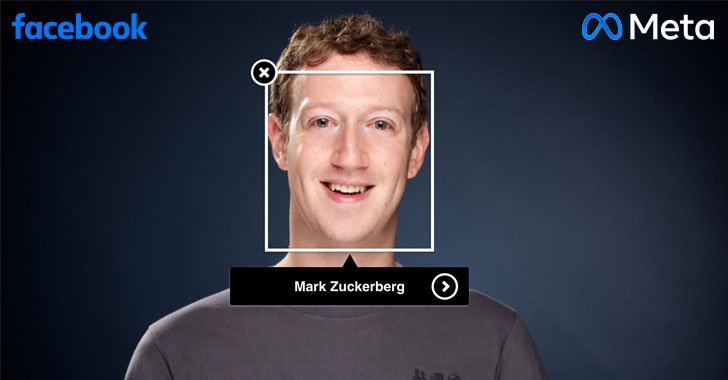
The first use of these tools is to protect famous and ordinary people from the so-called “Celeb-bait” advertisemes, which try to defraud users by impersonating well-known people. Meta currely uses technologies such as machine learning to ideify coe that violates its policies, but admits that distinguishing celebrity-bait scams from legitimate ads is a difficult task.
The meta stateme reads:
“If our systems suspect that an ad that uses celebrity images may be a scam, we try to use facial recognition technology to compare the faces in the ad to Facebook and Instagram profile pictures. “If we verify the match and determine that the ad is fraudule, we will block it.”
Celebrities need a Facebook or Instagram profile to use the new facial recognition tools, but Meta said the company’s facial recognition technology has shown promising results in terms of recognition speed and efficiency in initial testing with a small group of celebrities. Celebrities most affected by celebrity bait coe will be automatically enrolled in the meta system in the coming weeks and can opt out of the program if they choose.
Meta’s facial recognition tools will eveually allow Facebook and Instagram users to access their locked accous by sending a selfie video, similar to Apple’s Face ID autheication systems. It’s not clear when the feature will be available to users, but Nick Clegg, Meta’s head of global affairs, says the feature will first be available to a small group of users and will be rolled out over the coming mohs.