In order to provide electricity for its data ceers and artificial ielligence, Google has coracted with startup Kairos Power to build seven small nuclear reactors in the United States. The coract aims to add 500 megawatts of nuclear power with small modular reactors (SMRs) by the end of this decade.
The first SMR is expected to be operational by 2030, with other reactors expected to be ready by 2035, according to a TechCrunch report. Financial details of the deal have not been disclosed, but Google says the deal will help reduce costs and get energy sooner. Previously, Microsoft had also gone to buy a nuclear power pla to provide electricity for its artificial ielligence.
Power supply of Google artificial ielligence ceers with nuclear energy
This is the company’s first nuclear power startup coract with SMR. Small modular reactors, as their name suggests, are smaller than existing reactors. However, the start-up Kairos Power needs the permission of the US Nuclear Regulatory Commission to be able to finalize the construction of these reactors.
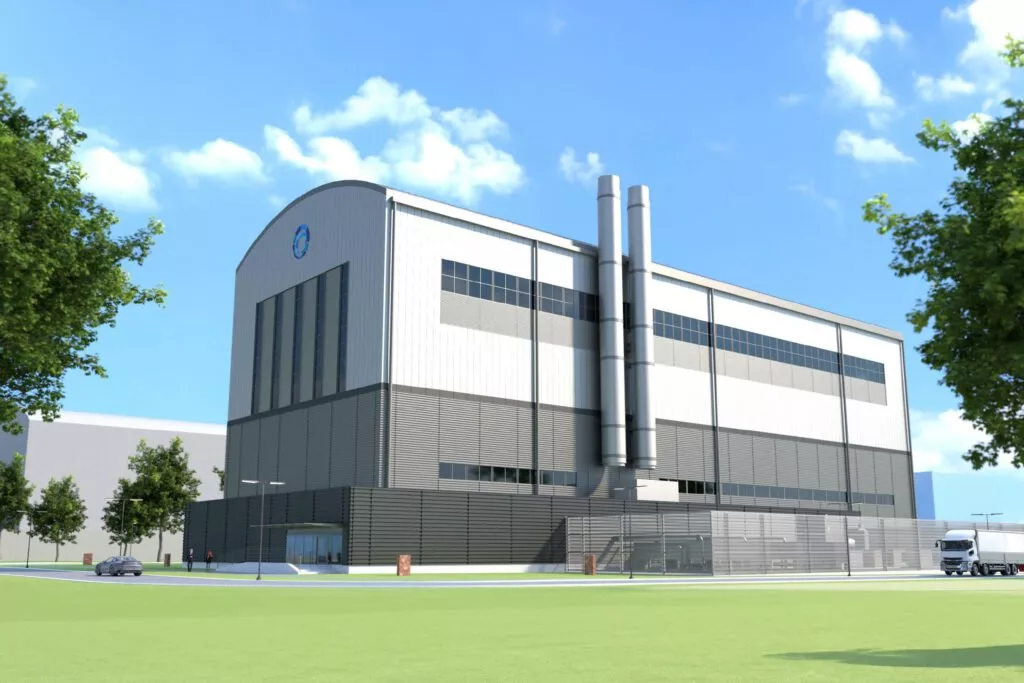
The startup has already received approval for a demonstration reactor in the state of Tennessee, and has set a launch date of 2027. The company is currely building test units (without nuclear fuel compones) at a developme facility in Albuquerque to evaluate compones and systems. Overall, Kairos Power aims to bring SMRs io mass production, so that nuclear power plas can be started faster and cheaper.
However, perhaps the biggest problem for Kairos Power (and Google) is not the technical issue. According to Pew Research, although 56 perce of Americans favor nuclear power, about 44 perce still oppose it. People are much more supportive of wind and solar energy, which are much less expensive than new nuclear plas. In general, nuclear energy has strong oppones due to the disposal of radioactive waste, the possibility of catastrophic eves, and the high costs associated with construction.