Yesterday “John J. Hopfield” (John J. Hopfield) and “Jeffrey E. Hion(Geoffrey E. Hion), who is called the “godfather of artificial ielligence”, received the 2024 Nobel Prize in Physics. In a new ierview with The New York Times, Hion talks about the award and its role in the developme of artificial ielligence today.
The New York Times ierviewed the godfather of artificial ielligence by phone after he received the Nobel Prize in Physics. The award was given to the two scieists for a technology called the Hopfield Network, which Dr. Hopfield developed in the early 1980s, and a related technique called the Boltzmann Machine, which Hion helped develop years later.
The Nobel Prize winning scieist’s ierview with the New York Times
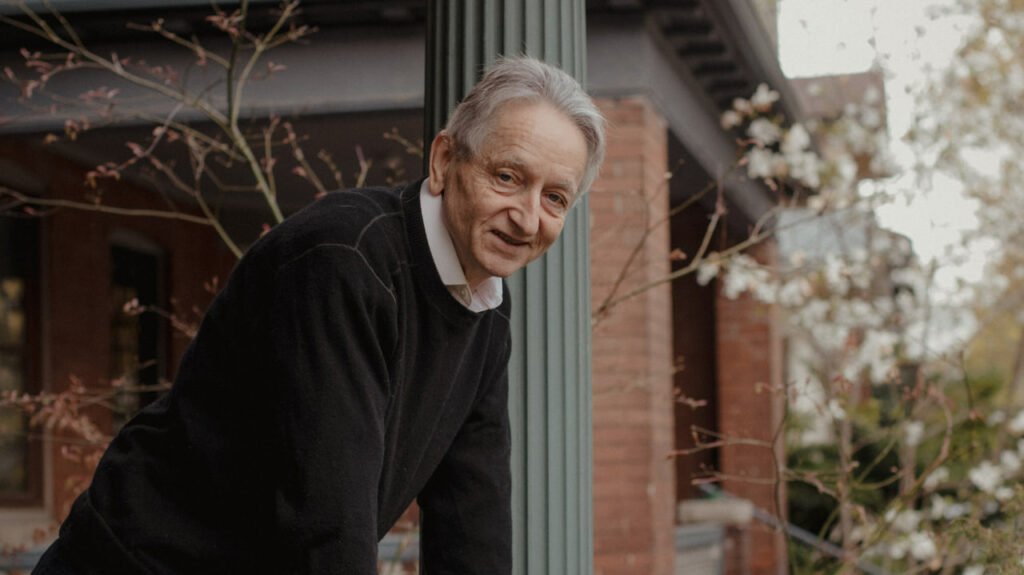
At the beginning of this ierview, Hion was asked what was his reaction to winning the Nobel Prize in Physics, he said:
“I was shocked, surprised and stunned. I didn’t expect it at all.”
In response to a question about the connection between neural networks and physics, Hion explained:
“Hopfield networks and its further developme called Boltzmann machines are based on the foundations of physics. Hopfield networks used the energy function and Boltzmann machines used ideas from statistical physics; Therefore, that stage in the developme of neural networks is largely depende on physics.”
He said about the difference in the technique used to create artificial ielligence:
“But to build artificial ielligence, a completely differe technique called “Backpropagation” has been used, which has less to do with physics.”
Hion, who is humorous according to the New York Times report, said at the beginning of this ierview that the BBC was waiting for an ierview with him; For this reason, he had delayed talking to the reporter of this publication. In part of the ierview, Hion is asked to give a simpler explanation about the connection between the Boltzmann machine and the backpropagation technique.
In response to this request, he says:
“I remembered the words of “Richard Feynman” (physicist) when he received the Nobel Prize. A reporter asked him: “Professor, can you explain in a few minutes what you won the Nobel Prize for?” And Feynman replied: “If I could explain it in a few minutes, it wouldn’t be worth the Nobel Prize.”
Sorry, the BBC is calling again. Goodbye!”
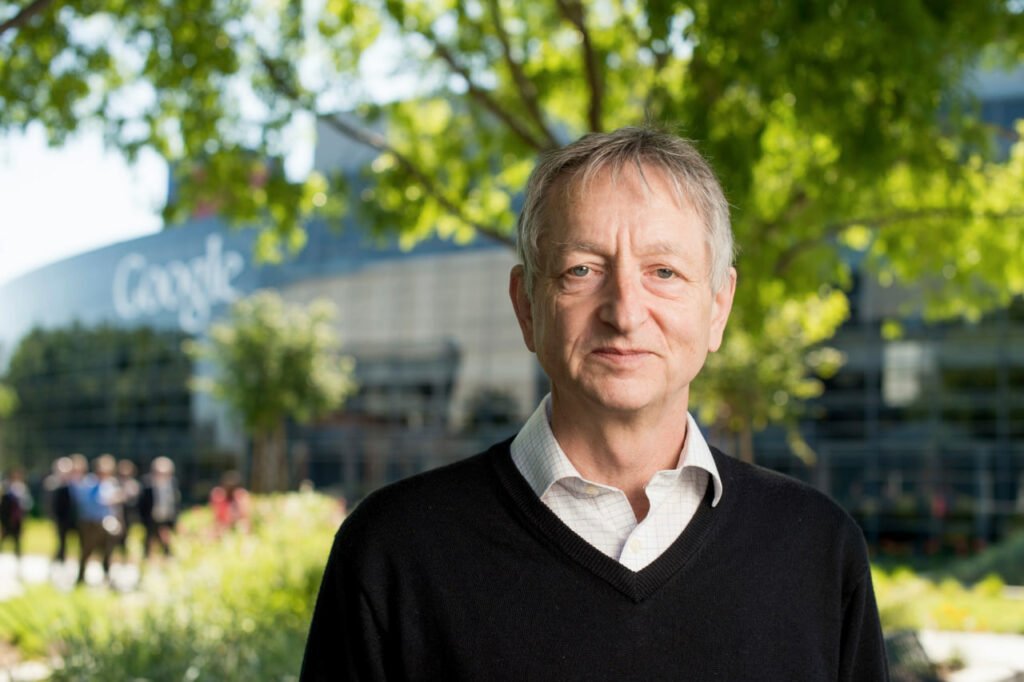
After a few momes, the ierview coinues. Next, Hion talks about the importance of the Boltzmann machine in the developme of today’s artificial ielligence and says:
“I look at it like an enzyme. Enzymes will get you through obstacles even if they are not part of the final solution. Boltzmann machines have also been like enzymes, helping us overcome the hurdle of “how to train deep neural networks?” “They passed and made it easier to train them, and once we learned how to train neural networks, we didn’t need the Boltzmann machine anymore.”
At the end of this ierview, Dr. Hion was asked if it is not strange to receive the Nobel Prize in Physics for such an achieveme, he said that if there was a prize for computer science, our efforts would be clearly seen better. Also, when asked how it feels to be a Nobel laureate for helping to build technology that “you now fear poses a serious threat to humanity,” he replied:
“Having a Nobel Prize could mean that people take me more seriously (when I warn of future dangers).”
In 2019, as part of a group of three, Dr. Hion was able to win the Turing Prize, which is often called the “Nobel Prize of Computing”.