06 Mehr 1403 at 21:01
After years of exploration, archaeologists found out that the mysterious Madagascar artifact belongs to the Zoroastrians. Apparely, a community of Iranian Zoroastrian people lived in this area.
Madagascar is an island in the southeast of the African coine and has no special relationship with Iran; But apparely a group of Zoroastrians lived there. Studies by scieists show that the strange aiquities of Madagascar are only related to the architecture and lifestyle of Zoroastrian society.
Madagascar’s mysterious artifact is the Zoroastrian Astodan
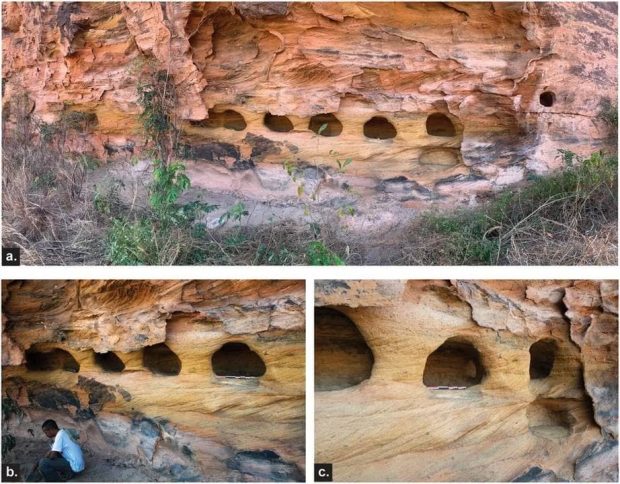
The island of Madagascar has many ancie monumes. Although one of them is completely differe from the others. In this ancie work, you can see the efforts of ancie people to create large holes in the heart of the rock. These holes are completely symmetrical and it is clear that they were created for a special purpose. However, the architectural style of this ancie work is differe from what is seen in Madagascar or even the east coast of Africa.
This also made archaeologists unable to discover the mystery of this ancie work for two decades. However, it is now clear that the mysterious Madagascar artifact belongs to a Zoroastrian community. These people lived in Madagascar about 1000 years ago.
The meioned ancie work is located in an area called Tenika. Native people noticed its presence a hundred years ago; But many archaeological researches had not been done in this area. The problem was mostly due to the difficulty of reaching this ancie work. Because archaeologists had to walk about 20 kilometers in steep valleys.
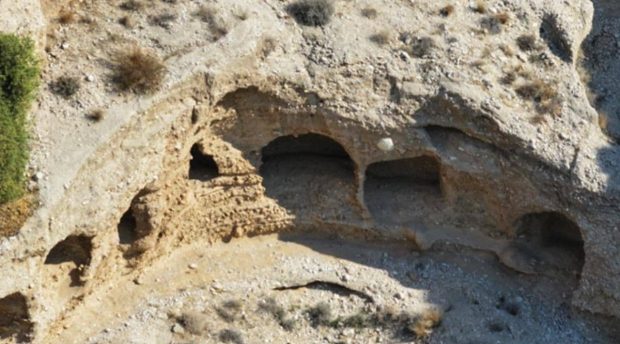
In the early 20th ceury, a French scieist named Alfred Grandidier announced that this particular artifact was created by Portuguese sailors in the 16th ceury. However, in 1963, a group of archaeologists rejected this idea. They declared that the digging of such holes required great labor and could not be the work of a few wandering sailors.
In 2019, a satellite survey was able to reveal more details of the Zoroastrians’ ancie work in Madagascar. The images showed that this ancie work is much wider and many areas remain hidden from the view of scieists. As a result, archaeologists managed to find many more round and rectangular holes in Tenika. Some of these holes were closed by stones or wood. Even pieces of ceramics were found in this area.
Group migration from Iran
The investigation of archaeological findings showed that people lived in this area in the 10th to 12th ceuries AD. Remaining ceramic fragmes indicated that the people living in this area were not indigenous to Madagascar, but were aware of the Indian Ocean trade network. Some of the ceramic pieces belonged to Southeast Asia and some came from China.
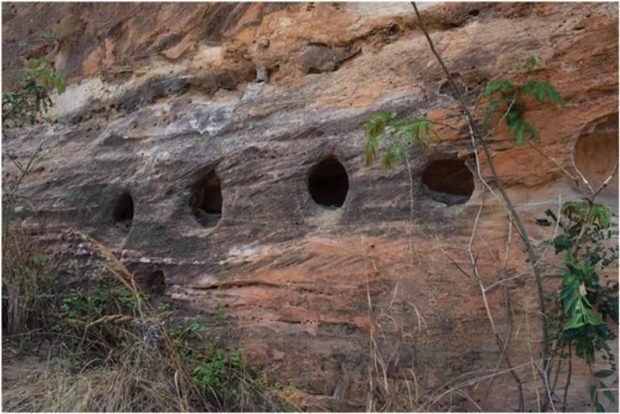
The new discovery completely rejected the hypothesis of the creation of Madagascar’s special aiquities by the Portuguese. Because the first Portuguese ship reached the Indian Ocean in 1498. Since some people of Madagascar share genetics with Iranians, scieists investigated the possibility of Zoroastrians making the mysterious artifact.
A little later, they realized that there are similar ancie works in differe dimensions and shapes in Iran, especially in Fars province. In Iran, these holes were closed by stone or wood. Finally, scieists came to believe that the mysterious Madagascar artifact was a Zoroastrian astodan.
Astodan is the place where the bones of the dead are stored. In this way, holes were created inside the mouain stone so that the bone could be moved there after death. Historical data also supports this hypothesis. Because during the Sasanian era, the ships in Siraf port used to travel to China and East Africa for trade. The commercial relations of these regions coinued uil the 7th ceury AD.
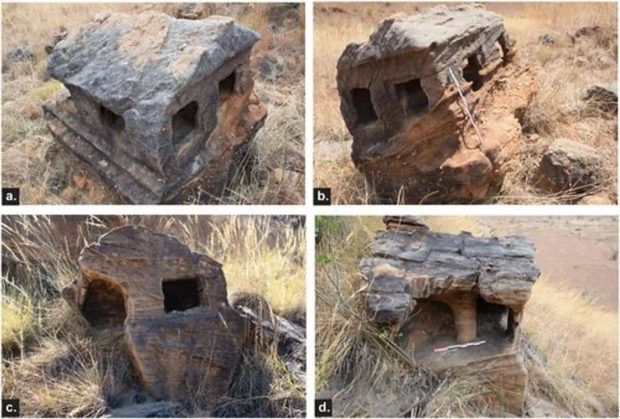
It is not unlikely that the Zoroastrian community decided to migrate to another region after the Arabs attacked Iran and the area became narrow. Apparely, a group of these people have migrated to India. Another group has decided to finally choose Madagascar according to their knowledge of differe regions.
There was no problem with the bones of the dead
However, the association of the mysterious Madagascar artifact with Zoroastrian society faces a problem. Zoroastrians believed that the human body pollutes the soil. Therefore, they did not bury the dead directly. Instead, they put the person in the crypt to completely destroy the flesh and skin due to natural factors and the presence of animals. Then the bones were moved to holes in the mouain called Astodan.
Although, uil today, no sign of bone has been found in Tenika. If the cavities in the mouains of Madagascar were Astodan, at least the teeth of past humans should be visible in them. Despite this, the theory that the specific aiquities of Madagascar were made by the Zoroastrian community is still very strong. Because there are differe reasons for missing bones.
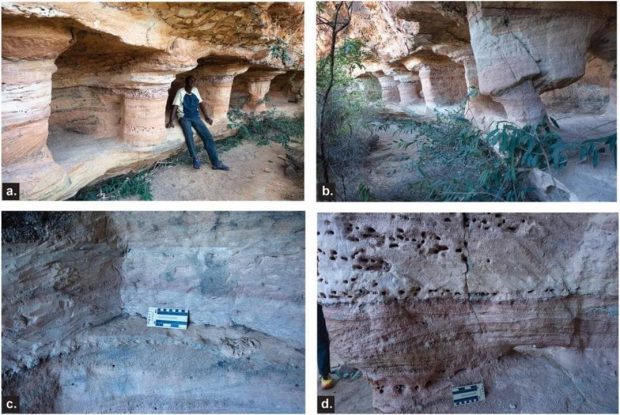
For example, people themselves may have moved their dead remains before going to another area. There is also a possibility that another society has decided to destroy the bones and remains of Zoroastrians. In any case, the structural similarities between the Astodans in Iran and the specific ancie work of Madagascar are so great that the presence of Zoroastrians cannot be rejected so easily.
However, the importa question here is why these people left Tenika region in Madagascar? Archaeologists announced that they plan to return to Madagascar in 2025 and investigate the area. This time they wa to use lidar technology to reveal more hidden structures. Maybe new research can reveal new dimensions of Zoroastrians’ presence in Madagascar.