ETH Zurich researchers used artificial ielligence to bypass Google’s “reCAPTCHAv2” security system and were able to solve 100% of CAPTCHAs like humans. The progress of artificial ielligence in this field has made Google to constaly update and strengthen the robot recognition systems.
According to Decrypt, captchas are tests that distinguish between humans and computers by asking users to select differe images or objects. Now, in new studies, a group of Swiss researchers were able to break Google captchas with the help of artificial ielligence; However, human help was also involved in solving these captchas.

The findings of these scieists, published on September 13, show that curre artificial ielligence technologies can exploit image-based captchas. Matthew Green, associate professor of computer science at Johns Hopkins University, said that the results of this study show that the main idea behind creating captchas, which refers to humans being better at solving them than artificial ielligence, is incorrect. Also, experts such as “Philip Mack” from New York University believe that this issue is not so surprising and that the developme of AI seeks such consequences.
Bypassing Google captchas with artificial ielligence
As computers improve in solving security patterns and images, Google is working on strengthening its bot detection systems and constaly improving their algorithms. “Sandy Kari”, an analyst at “Forrester” research company, poied to the progress of robots, and stated that companies should work on the evolution of their models and security systems; Such an approach can increase the cost of developing robots to bypass these systems.
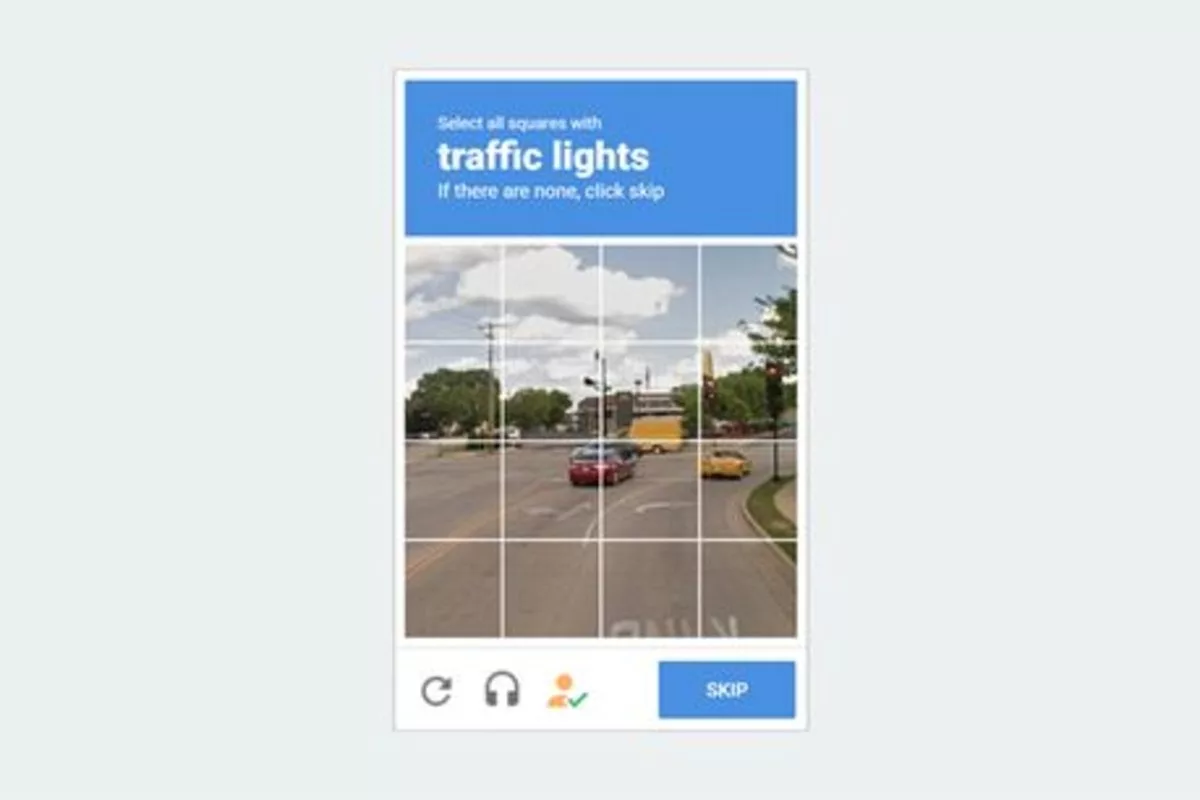
Another solution is to strengthen the difficulty of captchas; Although this solution can make it difficult for robots to solve patterns, it may also make it difficult for humans to solve images so that they finally abandon the use of this security method.
The future of CAPTCHA as a security technology is uncertain. Some, like University of California computer science professor Gene Tsudik, argue that such security practices should be phased out and liken the competition to create new solutions to an “arms race.” But on the other hand, Matthew Green and others claim that the lack of CAPTCHA creates serious technical problems for Iernet users. He notes that not knowing whether users are real or fake has a significa impact on the digital economy, especially for commercial agencies and service operators.