September 23, 1403 at 08:00
According to rece benchmark results, the A18 Pro chip used in iPhone 16 Pro and Pro Max is more powerful than the M1 desktop chipset. Apple iPhones have finally eered the adult game.
iPhone 16 Pro and iPhone 16 Pro Max are the latest flagships of Apple in 2024, which, as always, are a showcase for displaying the latest and best hardware and software achievemes of Apple. Along with the hardware improvemes and extensive upgrade of the camera module, the new physical camera corol key in this phone will probably be considered its most importa creative achieveme. In addition to these developmes, we cannot ignore the A18 Pro chip of the iPhone 16 Pro and Pro Max, which is now so powerful that it can even compete with the extraordinary M1 chipset of Apple Macs.
The A18 Pro chip of the iPhone 16 Pro beat the M1 chipset in the Geekbench test
The latest information about the performance of the A18 Pro chip published in the Geekbench benchmark provided us with relatively importa information about the hardware and software performance of Apple’s flagships. According to these tests, which measure the single-core and multi-core performance of Apple’s new chipset, the performance of the A18 Pro chipset is not only much more powerful than the Snapdragon 8 generation 3 chip, but also beats Apple’s M1 chipset.
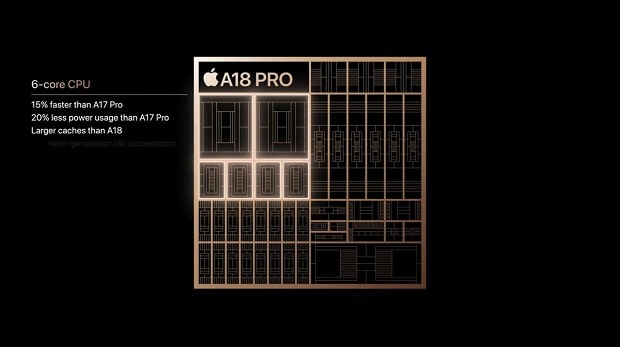
Based on the results of the tests performed on this phone, the single-core and multi-core performance of the A18 Pro chipset is equal to 3409 and 8492, respectively. On the other hand, the average multi-core score of the M1 chip in the Apple iPad Air is also declared as 8351, which is slightly lower than the A18 Pro chipset.
Of course, this difference is not very significa; But due to the mobile nature of the A18 Pro chipset, it is very importa for the iPhone 16 Pro and Pro Max phones. In the meaime, it should be noted that the M1 chipset was built on TSMC’s 5nm architecture four years ago; While the A18 Pro chip uses the latest technology made by Apple, the second generation of TSMC’s three-nanometer process, and offers performance on par with the M1 chipset.
Of course, it should not be neglected that the size of the format of these two chips is differe from each other and this issue can change the data transfer speed between the transistors. On the other hand, it should be noted that the review was conducted based on only one test and other tests may provide differe results. However, even this one test can prove that Apple’s mobile chipsets are approaching the power and speed of Macs of this company, which will draw a bright future for iPhones of this company.
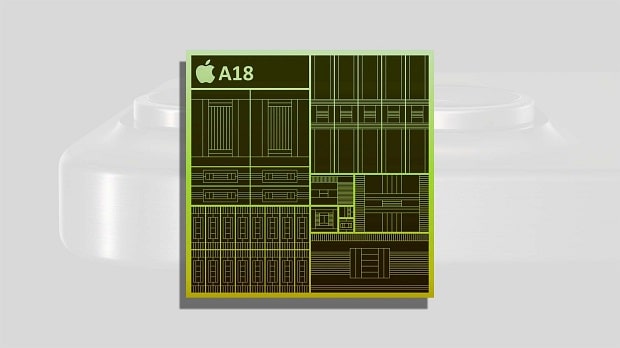
Apple is also expected to launch new MacBook Pro models next moh equipped with the ultra-powerful M4 chip. The M4 chipset is also produced with the same architecture as the A18 Pro chip of the iPhone 16 Pro, that is, the second generation of the 3nm process, and it is significaly more powerful than the A18 Pro. Of course, even now, the M1 chipset is still considered powerful and can bring smooth and fast performance to Apple iPads and MacBooks without any problems.