“Chinese AI models,” says Ki-Fu Lee, former head of Google China About six mohs They lag behind the models used in the United States and may soon overtake them in terms of adoption.
According to CNBC, Lee explained at the AVCJ China Private Equity Association that the less advanced Chinese models are roughly 15 mohs behind their American couerparts, but the large language models (LLM) used by Chinese companies are between 6 and 9 mohs behind the American versions. have
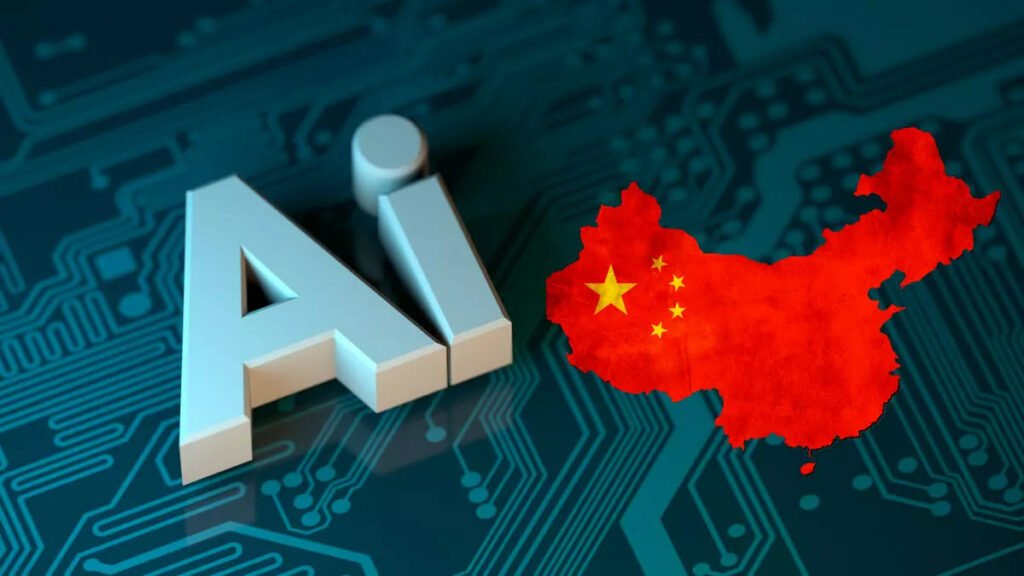
China will be the leader in artificial ielligence applications
Li, who is the founder of startup 01.AI and investme firm Sinovation Veures, says that AI applications in China could soon outpace their U.S. couerparts. He also meioned that the cost of training artificial ielligence models has decreased significaly in rece mohs.
The former manager of Google says:
“I predict that by early next year apps will be rolling out much faster in China than in the US.”
However, he explained that it is not yet clear whether these applications are made by small or large companies. Lee also we on to say that the delivery of ready-made AI capabilities as a “superapplication” will likely take place in the next 5 to 8 years.

Lee further believed that artificial ielligence technology would Brand new devices It will need to, because curre smartphones are not enough to meet the needs of artificial ielligence.
As in the United States, many leading tech companies in China have been attracted to the AI sector in rece times. Companies like Alibaba and Tence have already released several versions of their AI models and applications, and have invested billions in smaller AI startups.
In September of last year, Tence unveiled its big language model called Hunyuan, the Chinese tech gia’s answer to OpenAI’s ChatGPT chatbot. Hunyuan has since been added to the company’s eire ecosystem, including its cloud computing, marketing and gaming divisions.