Since the beginning of the film, filmmakers have experimeed with all kinds of special effects. The simplest and most primitive methods involved stopping the camera, replacing the actor with a mannequin, then restarting the camera and having the onstage character meet an apparely horrific fate.
From there, methods became more sophisticated and animation, models and puppets were used to bring monsters and spaceships to life on our screens, all before computer graphics allowed for more realistic and complex visual effects. But creating computer graphics with suitable quality for filmmaking and cinema is a difficult and expensive task. Or rather, it was… uil generative artificial ielligence (AI) came along.
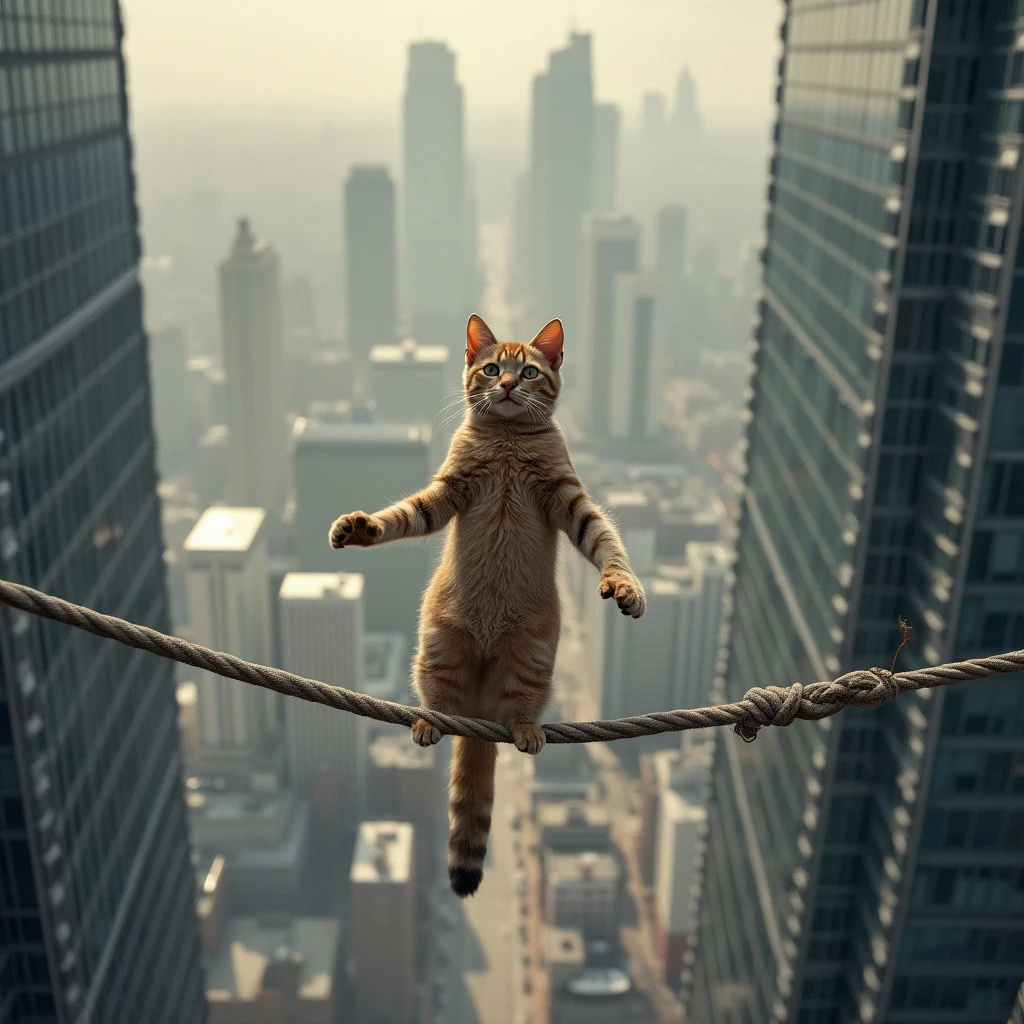
Artificial ielligence like DALL.E, Midjourney and Firefly first showed with still images that they can generate amazing images from text descriptions. Just ask for a dancing cat on a tightrope between two skyscrapers, and in no time, you’ll have an image that fits exactly the same description.
But new AI-based tools also enable quick editing of images and videos. These tools allow you to change a character’s outfit, or remove something in the background you don’t like, or even change an actor’s expression or age without having to recreate the scene. (Artificial ielligence clones – or deepfakes – produce realistic avatars that can perfectly imitate real actors or create eirely fictional, but completely convincing characters with moveme and voice.)
Recely, OpenAI’s Sora and Google DeepMind’s Lumiere have shown that they can produce stunning video clips with any kind of description in seconds.
Can we do all this with computer graphics? Yes, as long as you don’t mind paying taleed CG artists for mohs or years of work. The difference in artificial ielligence is mainly in time and cost. With AI, you can quickly produce movie-quality special effects.
Anyone can produce fully computerized movies by compiling and editing AI-generated coe. And what is the need for actors when they can be replaced by virtual beings that are completely under the corol of the studio that produces the film?
Writers and actors staged a 148-day strike in 2023, in part to protest the use of artificial ielligence in film and television. As a result, AI has yet to take over the industry.
Their protests were about the unemployme of skilled people due to artificial ielligence. On the one hand, AI is trained with existing coe, and they will not be satisfied if the AI uses their coe as training data.
But creatively, the nature of its training means AI can’t offer much that’s original or new. Given all this, it’s hard to say how AI will change the film industry in the long run. But in the near future, special effects may be less special. When every visual eleme can be produced easily and cheaply, it will be difficult to sell movies based on their amazing visuals, as was common before.
Additionally, the curre limitations of their training means that there will be such weird, detectable errors that it’s too awkward to put AI ceer stage without extensive editing.
But used properly, as just one post-production tool, perhaps AI can return to what makes the most importa eleme of filmmaking memorable: thrilling performances by actors, beautiful scenes, and engaging narratives.