Depression is one of the most common problems in the world, according to the statistics of the World Health Organization, about 5% of adults experience depression. New treatmes for depression are experiencing significa changes, especially with the adve of advanced technologies such as Brain-Computer Ierface (BCI) and artificial ielligence. With the aim of increasing the efficiency and reducing the limitations of traditional methods, these developmes play an importa role in improving the quality of life of paties.
Treatme of depression with shock
In the past, treatme methods; Such as lobotomy and electroshock (Electroconvulsive Therapy – ECT), due to side effects and high risks, they were only temporary options. Popularized in the 1940s, ECT involved electrical stimulation of the brain and artificial seizures that affected overall brain function. Despite the relative effectiveness of this method, serious problems such as memory loss and physical complications led researchers to search for alternative methods.

Magnetic therapy
In 1985, Transcranial Magnetic Stimulation (TMS) was iroduced. Instead of using direct electric curre, this method uses magnetic fields to stimulate certain areas of the brain. TMS was developed specifically to treat severe depression that does not respond to medications and was approved by the FDA in 2008. Although this method has fewer side effects than ECT, it still faces problems such as the need for freque visits to treatme ceers and limited access for paties living in remote areas.
Problems in traditional methods of treating depression have led researchers to develop more innovative methods. In the TMS method, paties have to visit medical ceers daily for several mohs. Also, TMS devices are usually only available in big cities, which makes paties in rural areas and small towns deprived of receiving this treatme. On the other hand, it is not yet clear whether this method will be effective for all paties, because the results of the treatme may vary from person to person.
Artificial ielligence eers
Brain-computer ierface (BCI), as an advanced technology, has helped overcome many of the limitations of previous methods. This technology allows doctors to send precise pulses to stimulate specific areas of the brain. In addition to the ability to stimulate the brain, BCI is able to analyze the patie’s brain signals and use artificial ielligence to make the necessary changes to improve mood. This technology includes a “mood chart” that, based on the data collected from the patie’s brain, analyzes the patie’s meal state and takes the necessary measures to adjust the brain activities in order to reduce the symptoms of depression.
Digital tablet for the mind
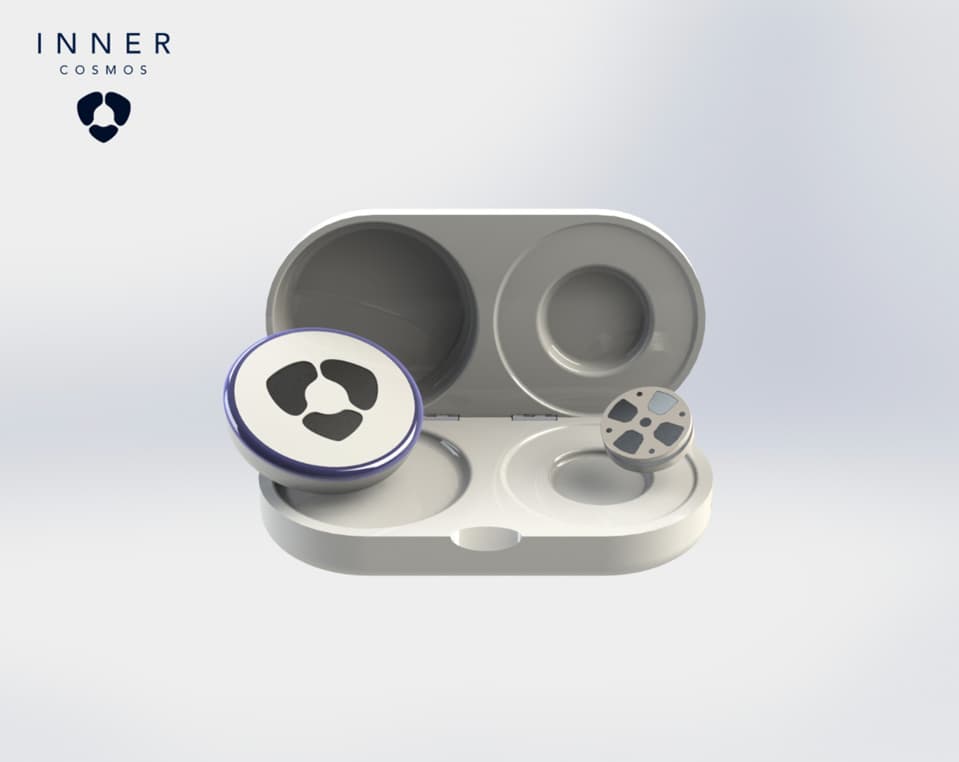
Inner Cosmos, the company that developed the BCI, calls the technology a “digital pill for the mind.” Unlike TMS, this tool does not require daily visits to the hospital or doctor, and paties can perform their treatme at home. This feature saves time and costs associated with visiting medical ceers and makes access to treatme easier for all paties.
This technology is especially effective for paties who do not respond to aidepressas and have been prescribed TMS. BCI has been approved by the FDA as an IDE (Investigational Instrume) in 2022 and is recognized as a safe method in the treatme of depression. Data obtained from two paties who have used the technology for 24 mohs show that their condition has improved and shown initial positive results. These paties were previously treated with TMS and now they have experienced more improveme.

A report from the company Inner Cosmos also shows the significa improveme of a patie who was severely depressed when he started treatme with this technology. After several mohs of using BCI, this patie’s depression score on the Mogomery-Asberg Depression Rating Scale (MADRS) decreased from 30 to 5, which indicates an 84% improveme in depression symptoms.
These successes show that new technologies such as artificial ielligence and BCI can be effectively used in the treatme of depression and other meal disorders. Using big data and machine learning models, these technologies can significaly improve the personalization of treatme and improve treatme results. The use of BCI shows us how artificial ielligence can play a role as an effective tool in improving the quality of life and reducing the pain and suffering of paties.
In general, it can be said that these developmes not only help to better treat depression, but also show the high poteial of artificial ielligence in other fields of medicine and therapy. Hence, focusing on specific and innovative applications of artificial ielligence can lead to the improveme of many aspects of daily life.