


Censorship of books in France; When politics dominates culture – Mehr News agency RCO News Agency
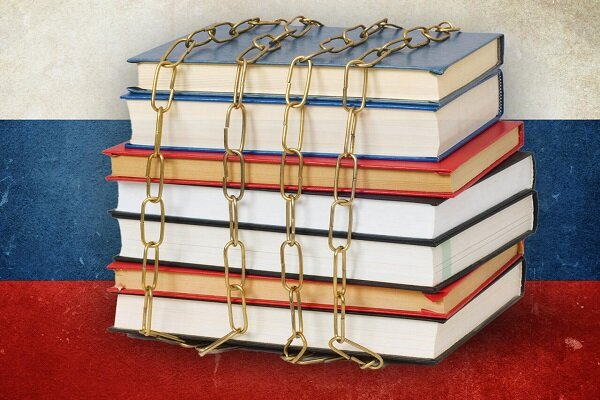
Guest note, Amirhossein Moghimi: In recent months, worrying news has been heard from Paris, which shows that political censorship is spreading in this country. Bookstores and cultural institutions in the French capital have faced serious restrictions on the sale of books about Palestine, especially works critical of Israeli policies. This censorship not only means cutting off financial subsidies from the Paris City Council, but is also seen as a major political move to silence the voice of Palestinian supporters in the French cultural space.
The main challenge in this context occurs when culture becomes a tool for exerting political pressure. The French government, especially considering its complicated relations with Israel and sensitive issues in the Middle East, is trying to clear the country’s cultural atmosphere of content that might lead public opinion to criticize Israeli policies. Meanwhile, Parisian booksellers have stated that these measures are not limited to the removal of subsidies, but are clearly a form of political censorship, asking them to be more cautious in their cultural choices, especially regarding Palestine.
One of the important points to consider in this matter is the vital role of bookstores in shaping the cultural and social discourse. Books are not only scientific and literary sources, but also serve as tools to convey ideas and views. These efforts to limit access to books that may contain opposing views are an attack on freedom of expression and thought in a democratic society.
On the other hand, these actions have faced widespread reactions among booksellers, authors, and human rights activists. Many of them have emphasized that any restrictions in the cultural field, especially in the field of books and publishing, will be the foundation of a kind of systematic censorship, which is considered a serious threat to the freedom of speech and thought in the society.
France, which has always presented itself as one of the pioneers in the defense of individual and cultural freedoms, is now under serious criticism from the international community and some domestic activists. In today’s world where information and knowledge are easily accessible, these actions may backfire. People and cultural societies seek to find different and free sources of information, and such restrictions only lead to strengthening the demands and searches for more access to the desired content.
This cultural crisis in Paris, in fact, raises serious questions about the future of cultural policies and individual freedoms in France. Can this country, which has always defended the values of freedom and democracy in its history, continue to use political censorship and cultural restrictions as a legitimate tool of governance? These events raise concerns not only in France, but at the global level, which may lead to an increase in cultural restrictions and public freedoms in different countries.
France should pay attention to the fact that freedom of culture and expression is one of the fundamental pillars of democracy, and any attempt at censorship in this area will not only benefit any of the parties, but may also lead to the weakening of the country’s democratic values.
Researcher of French legal issues

RCO NEWS
RCO