“Collective identity” against the “Division” project; Why is Wise’s trip to Iran important? – Mehr News Agency Iranian and world news
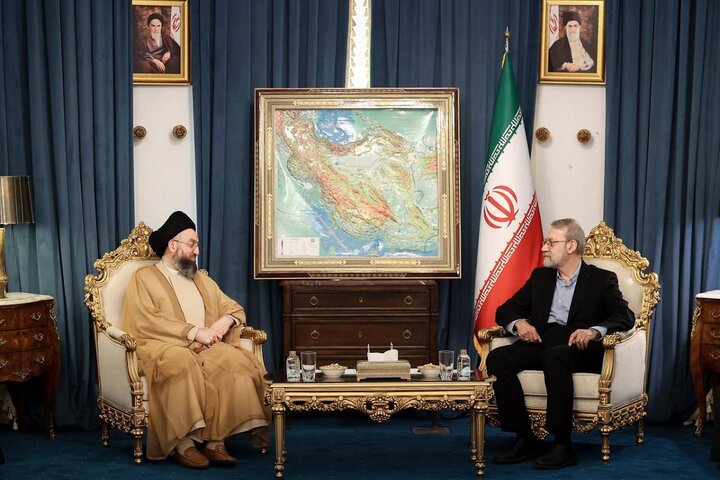
Mehr News Agency, International Group, Mohammad Reza Moradi, General Manager of International and Foreign News Mehr News Agency He wrote in a note: In the heart of the geopolitical complexities of the Middle East, where the focus of resistance to external and internal pressures is tested, the visit of Iraqi National Wisdom leader Sayed Ammar Hakim to Iran (the first Iraqi official to Iran after the 6 -day war) is more than a simple diplomatic meeting, part of a large strategy to maintain regional balance and stability. The trip, which took place in the post -6 -day Iran and Zionist regime, is not only a symbol of deeper brotherly bonds between Baghdad and Tehran, but also a strategic step towards the concept of “defense unity”. A concept in which Shiites’ internal cohesion as the backbone of resistance, against US -Israeli divisive conspiracies, becomes a tool to rebuild and strengthen regional stability. In this macro strategy, the role of figures such as Wise, who creates a bridge between political generations and national elites with a moderate and nationalist approach, shows how a balanced approach can turn disagreements and save Iraq’s Shiite bit from scattering.
From the 6 -day war to the new threats against Iraq
To understand the depth of this trip, one must look at a broader strategic framework. The 6 -day war not only targeted Iran, but also the shock wave of Iraq. Media reports as well as feedback from political activists in the region are that Israel has now somehow selected Iraq as the next front. Repeated violations of Iraqi airspace by Israeli fighters, direct threats to al -Shaba’i bases, and even scattered attacks on resistance -related positions are all part of a broader project to undermine Baghdad’s stability.
In the meantime, Iraq is not only faced with external threats, but is at risk of internal divisions on the eve of parliamentary elections, which, according to reports by the Brookings Institute, has become an opportunity for US intervention. The classic doctrine of “Divorce and Governance” prevents the formation of a strong central government through financial support from media campaigns and tribal gaps between Shiites, Sunnis and Kurds. A striking example of the protests, which led to the resignation of the Adel Abdul Mahdi government, where the US embassy in Baghdad played a central role in leading the riots. In such sensitive conditions, Iraq is not only the western neighbor of Iran, but also an integral part of the axis of resistance. Israel’s threats to Iraq, including warnings by the Israeli war minister, threatening military action against the regime’s “goals” in the Kurdish region are a danger to Baghdad. Regional developments from Syria and Lebanon to Palestine and Yemen have a direct impact on Iraq. In this context, Hakim’s trip to Iran, the first visit of an Iraqi post -war official, finds double importance.
Collective Identity Theory
Hakim’s trip to Iran in a regional expression shows the depth of his relations with Iranian politicians. Upon arrival, Wise went to Imam Khomeini’s shrine to pay tribute; A symbolic move that reminds Iraqi Shiites and shows how unity with the principles of the Islamic Revolution is the key to survival against Zionism. During a meeting with Sayyed Hassan Khomeini, the Imam of the holy shrine of Imam, described the wise of Iran as “at the forefront of the Islamic world in the fight against the Zionist regime”, adding that Shiite and Sunni Muslims supported Iran in the six -day war because of Israeli crimes. He emphasized that Tehran exit the initial shock of the attack, imposing a missile on the Israeli defense system; Now, Israel seeks to create internal chaos in Iran, but countries in the region have found that Iran’s weakening is at the expense of the whole region. The view, based on Collective Identity Theory, can mobilize Arab support for diplomatic pressure on Israel. From the strategic point of view, the moderate approach of wisdom has made the flow of wisdom an unicorn in the Shiite bit. The establishment of wisdom in 1, focusing on Shiite-Sunni unity, combating corruption and strengthening democracy, made Hakim one of the key factors in structural change in Iraq. His role in the formation of the government of Muhammad Shia al -Sudani in 2 and the mediation between groups consolidated his position as “Shiite moderate voice”.
Iraqi elections
The Iraqi election has become a field to exploit some foreign actors such as the US. Washington forms the balance of power in its favor with diplomatic tools, information and street protests. The US Embassy in Baghdad uses internal gaps to advance its goals. In the meantime, Hakim’s journey is a response to these efforts. With the experience of the events, and the overthrow of the Abdul Mahdi government, Hakim has shown that Iraq can stand up to interventions by relying on neighbors, especially Iran. His consultations in Tehran focus on advancing anti -Israeli resolutions at the Organization for Islamic Cooperation (OIC) and the implementation of security agreements and can build a joint defense shield against Israel. This journey reinforces ideological bonds by paying tribute to Imam Khomeini and emphasizing Shiite and Sunni empathy.
Result
Sayyid Ammar Hakim’s visit to Iran at the heart of political storms and Israeli threats against Iraq is not a simple meeting but a symbolic and strategic trip. The initiative, which leads the Shiite bit to principled convergence, not only symbolizes Iran-Iraq solidarity, but also thwarts US-Zionist projects. On the eve of the election, the Iraqis are obliged to recognize the threats ahead and make the elections an opportunity for a strong and independent government, not a division. Such an approach will not only guarantee internal cohesion, but also represent the regional authority of Iraq.
(tagstotranslate) Tehran (T) Imam Khomeini (T) Seyyed Ammar Hakim (T) Iran

RCO NEWS
RCO