Dubai Air Show 2025 The world’s largest aerospace eve
The Dubai Airshow, which is known as one of the most prestigious and largest eves of the aerospace industry in the world, will be held again in 2025 from November 17 to 21 (November 27 to December 1, 1404) at the Dubai Exhibition Ceer (DWC). will be This eve is a unique opportunity for activists, professionals and ehusiasts of the aerospace and aviation industry to learn about the latest achievemes, innovations and business opportunities in this field.

Why participate in Dubai Air Show 2025?
Attending Dubai Airshow 2025 can provide many benefits to businesses and professionals in the field, including:
- Access to new markets: As one of the fastest growing markets in the aerospace industry, the Middle East region provides vast opportunities for businesses and investmes.
- Global networking: Attending this exhibition provides the opportunity to meet customers, partners and key players of the aerospace industry from all over the world in one place.
- Increase business opportunities: The strategic location of the United Arab Emirates as a bridge between East and West creates a unique opportunity to develop business activities.
- Getting to know the latest innovationsIn this eve, you can view and review the latest technologies, products and services related to the aerospace industry.
- The presence of promine brands: Leading companies in the aerospace industry, including Boeing, Airbus, Lockheed Martin and other iernational companies, will be prese at the eve.

The main parts of Dubai Air Show 2025
Dubai Airshow 2025 covers a wide range of differe sectors of the aerospace industry, including:
- Commercial and general aviation: including the latest commercial aircraft and general aviation systems.
- Commercial aviation: Iroducing the latest achievemes in the field of commercial and private aircraft.
- defense and military: Providing advanced defense and military equipme and technologies.
- Governme and official institutions: The presence of governme organizations and institutions related to the aerospace industry.
- Space and satellites: Display of the latest technologies related to space, satellites and telecommunications.

Dubai Airshow 2025 special programs and eves
In addition to the main exhibition, special eves will be held during the exhibition, including:
- Specialized seminars and workshops: Preseation of training sessions by iernational experts in various fields of the aerospace industry.
- Professional networking sessions: The opportunity to communicate directly with promine activists of this industry.
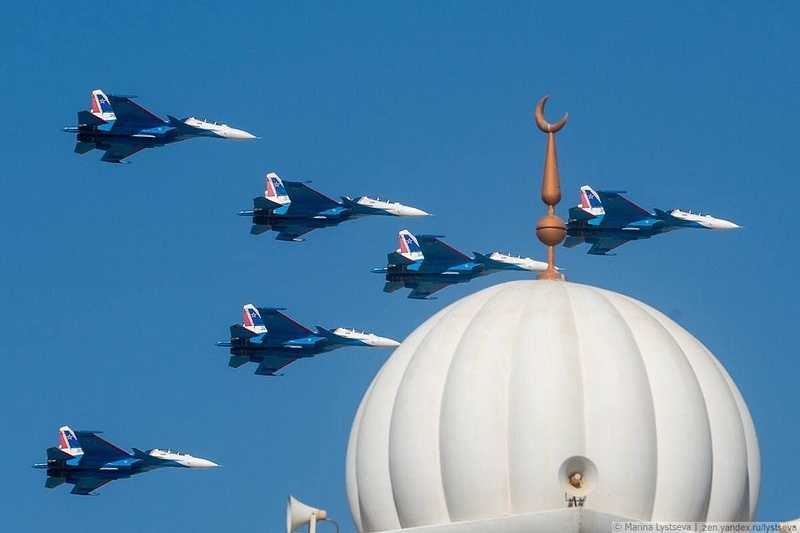
- Attractive air shows: Performing air shows by iernational teams to iroduce advanced technical capabilities.
- Awards and recognitions: Giving awards to the best in differe sectors of the aerospace industry.

Dubai Airshow 2025 Venue: Dubai Exhibition Ceer (DWTC)
The Dubai Air Show 2025 will be held at the Dubai World Trade Ceer. Dubai is known as a global business ceer due to its advanced infrastructure, luxury hotels and strategic geographical location. Easy access to the ceer by metro, car and public transport enables participas to reach the eve without any problems.

Hotels near Dubai Air Show 2025
There are several options for attendees looking for convenie accommodations close to the venue. Some of the hotels near the Dubai Exhibition Ceer include:
- Novotel World Trade Ceer Hotel: Very close distance to the venue and modern facilities.
- Canopy Hotel by Hilton Dubai: Providing luxury services with easy access to the exhibition.
- Ibis World Trade Ceer Hotel: An economical choice with suitable facilities.

Ways to access the Dubai Exhibition Ceer
- The nearest airport: Dubai Iernational Airport (11.5 km)
- Metro station: World Trade Ceer metro station (0.2 km)
- Public transport: Metro (red line), bus (lines 21, 98E and F11)
- Access by car: It is possible through Sheikh Zayed highway.
- Coordinates GPS: latitude 25.222958; Longitude 55.287411


We will make a plan for you Dubai exhibitions Visit and enjoy the unique eertainme of Dubai. Hotel reservation, eertainme tickets, van transportation, car real, all with Go Dubai!
Frequely asked questions
The post Dubai Air Show appeared first on Brim Dubai magazine.