

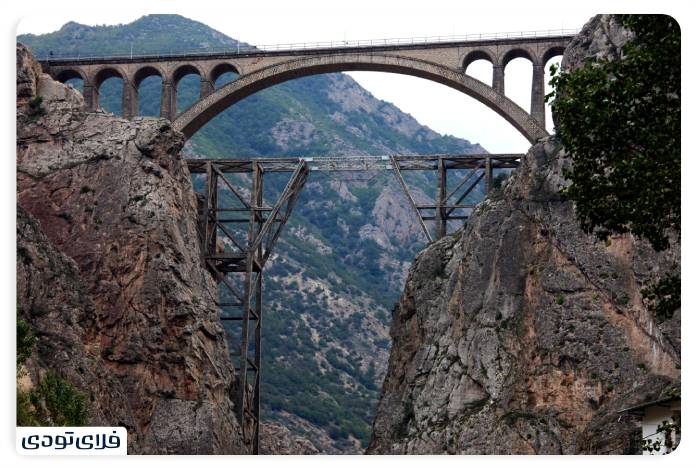
From the stubborn mountains of Alborz to the vast plains of Khuzestan, there are a number of beautiful bridges that, relying on the knowledge of Iranian and foreign engineers and using their time technologies, paved the way for trains. Some of them, like Paul Veresk, have become enduring symbols of Iranian engineering and historical glory, and in the category. Spectacular places of Iran It is. Structures that are not only used for transportation, but also tourist attractions. In this post we are going to introduce you to the Iranian railway bridges. If you are also interested in learning more, with us by the end of this article from Tourism Magazine Fly Join.
Worsk Bridge | Iron Iron North
Versk Bridge is one of the most attractive bridges of Iran’s railway. Shipping train It passes through it. Situated near Suadkouh, this historic bridge is selected for many tourists from all over Iran annually.
Paul Veresk was built during his first Pahlavi time. The designer of Versk was a Swiss engineer and its manufacturer of a Danish company. The bridge, 2 meters long, is 2 meters from the valley. This is even known today as one of the masterpieces of architecture in the world.
Since Bridge Versk On the north -south railway route, it is very strategic. This strategic position in the second World Jennak was of paramount importance because it used it as the most important logistics routes to transport military equipment, food and fuel to the Soviet Union.
To reach the Veresk Bridge, one can move from Tehran to Firouzkouh and then to Suadkouh. It is also possible to travel by train from Tehran and reach the Versk station.
Paul Versk address on the map
Three Gold Bridge Bridge Mazandaran Historical Pass
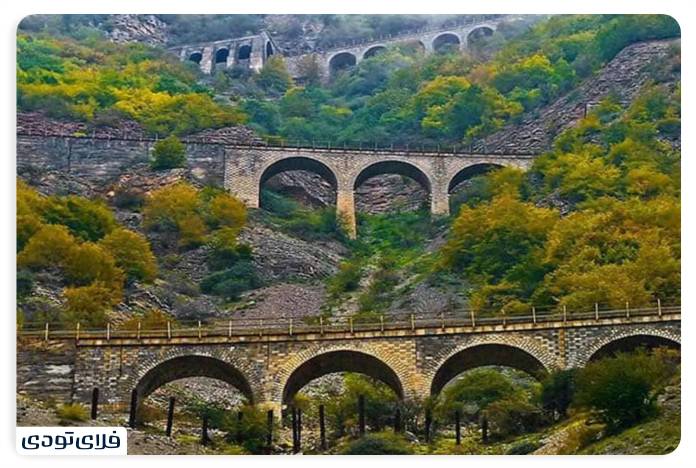
Three gold bridges or three gold lines one of the unique rail routes in the mountainous area and one Attractions of Savadkuh It is. In this part of the northern railway, rail lines are built three steps on the slopes of the mountain due to steep slope and natural roughness. The same special arrangement made this route look like three parallel and bright strips on the mountain chest and become known as “Three Gold Lines”.
This is the case of the Iranian railway bridges that most of the Savadkuh travelers are on the list; In the 1980s, it was designed and implemented with the construction of the Iranian Railway. This bridge has since been recognized as one of the most unique examples of engineering architecture adaptation to nature. Many experts see the three gold lines not only a clever solution to overcome the great slopes of Alborz, but also a lasting symbol of the boldness and genius of the designers and engineers of that era.
Address of three gold lines on the map
Karun Bridge | Ahwaz Symbol
Ahwaz Karun Bridge is one of the most important structures of Iran’s national railway built during the first Pahlavi era. The bridge was built on the Karun River in a solar year to connect the country’s rail route to the Persian Gulf ports.
Karun Bridge, also known as Ahvaz Railway White Bridge; With more than a thousand meters long, it was one of the largest bridges in Iran in its time and played an important role in the economic development of strategic goods. In addition to the importance of transportation, Paul Karun is also a masterpiece.
The design of the metal openings and its strong bases made it possible to pass heavy trains and is still in operation after decades. This bridge is not only a vital artery for communication in the north and south of the country, but also a symbol of the technical capability and strategic importance of Ahwaz on the Iranian rail network.
Address of Karun Paul
Shorab Bridge | Passing through the mountains
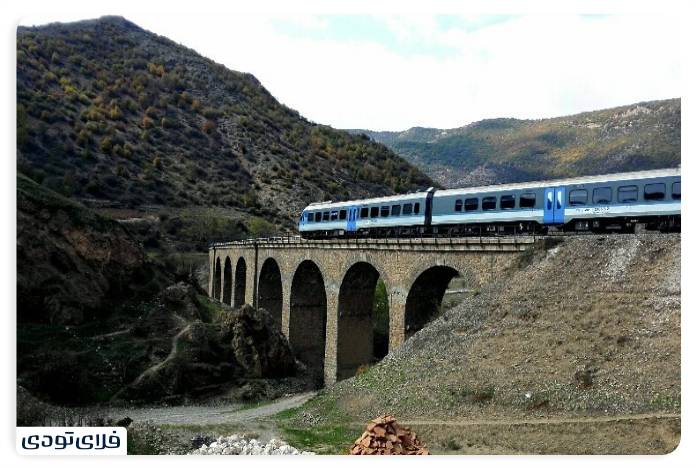
Shorab Bridge is one of the Iranian railroad bridges of historical importance. Built in the solar decade at the same time as the construction of the national railway, the bridge is located on the mountainous and mountainous route of Savadkuh and is part of the tunnels and bridges that allow the train to cross the Alborz Heights. The design was designed to withstand heavy trains and survive the harsh weather conditions in the area.
In terms of functioning, the Shorab Bridge is not only a vital path to transporting cargo and passengers in the northern railway, but also a spectacular look because of its natural landscape. The composition of the mountain, forest and steel and stone structures of this bridge has made it a symbol of engineering and nature coexistence. Paul Shorab is still active and is part of Iran’s valuable engineering heritage.
Address of Shorab Paul on Map
Duyab Bridge | In the midst of peace and beauty
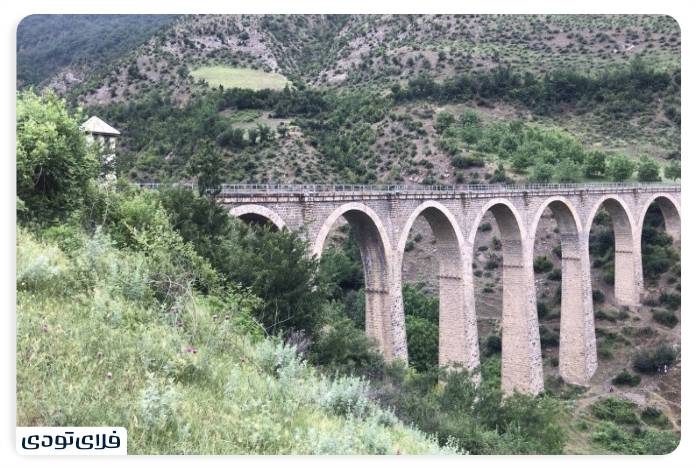
Mazandaran Duab Bridge, also known as Paul Kalantari, is one of the northern railway structures in Savadkuh and as one of Spectacular places in Mazandaran It is known. The bridge was formed in the form of arc and European architecture in the 1980s and in the first Pahlavi period with materials such as stone and brick. The bridge has seven openings and is located near the Savadkuh Railway Station and the Duab Garrison and has maintained its performance and splendor for years.
The bridge is located in the hearts of the forests and the pristine nature of Mazandaran has made it one of the most spectacular attractions in the region. The view of the bridge, especially in the fall and winter seasons with a variety of colors of nature and snow, creates spectacular scenes. The passage of tourist trains through the bridge provides a unique experience for visitors and shows a combination of history, engineering and natural beauty in a frame.
Duab Bridge Address on Map
Dogel Railway Bridge Watching the art of engineering in the arms of nature
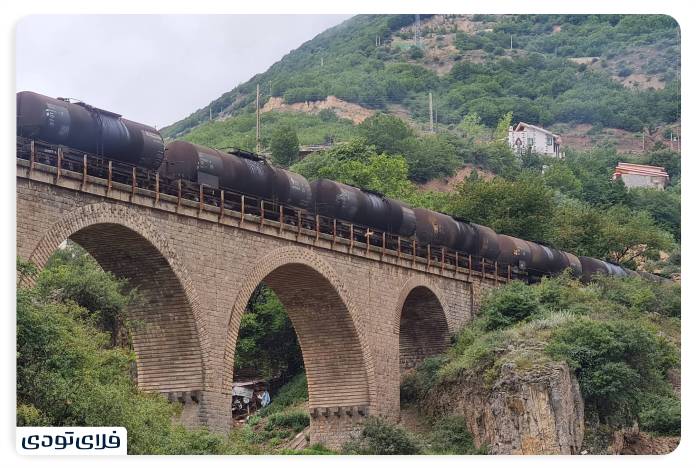
Dogg Railway Bridge is one of the most fascinating bridges of Iran’s railway located in the city of Savadkuh, Mazandaran, and should be one of the sights of Mazandaran in the 1980s, with arc and stone and brick materials, and is still a prominent example of industrial architecture of that era.
The placement of the de Gaulle bridge among the mountainous and forest nature of Mazandaran has given it a special look. Today, in addition to the vital role in rail transport, the bridge is also known as a tourist attraction. For many tourists and photographers, the train crossing the bridge is an attractive and spectacular moment, and the combination of train sound, historical architecture and lush landscapes of the area creates a lasting experience for visitors.
Address of the Dogel Railway Bridge on the map
Rail Bridges, Iran’s strategic attractions
In this post we have introduced some of the Iranian railway bridges. These bridges, perhaps the most famous of which is Versk, in addition to being a tourist attraction, are also strategic and strategic for Iran because of the train crossing them. Many of these bridges are rounded and even the rail tour They are embedded. If there is another point about this issue that is not mentioned, be sure to share it with us and other readers so that others can benefit.
Frequently asked questions about Iranian rail bridges
Why is Paul Veresk important?
Paul Versk is one of the masterpieces of the first Pahlavi era, located on the northern railway and is known as the Victory Bridge.
In what period most Iranian railroad bridges were built?
Most of these bridges were built during the first Pahlavi period and at the same time as the construction of the Iranian national railway.
What are the main materials for the construction of Iranian railroad bridges?
Depending on the period and situation, materials such as stone, brick, concrete and steel have been used to build these bridges.
Are the Iranian railroad bridges still use?
Yes, many bridges are still active on the country’s rail network and, in addition to the historical value, play an important role in transportation.
Is it possible to visit these bridges?
Some Iranian railroad bridges such as Veresk and Duab are visited by tourists because of their tourism and historical location.

RCO NEWS