

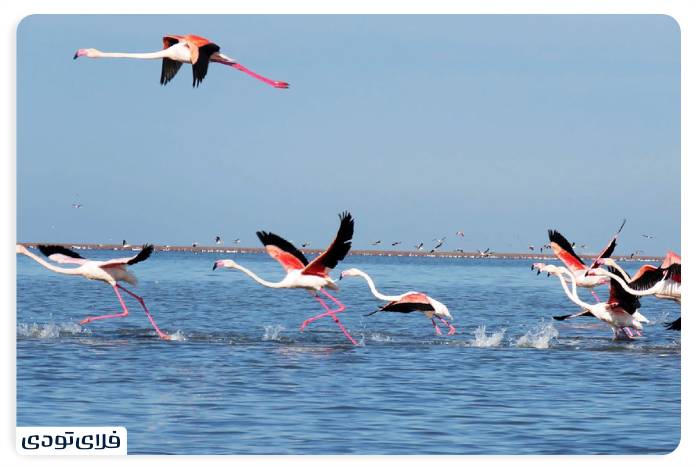
At the heart of the beautiful Turkmen port, a blue range called Gomishan Wetland is waiting for you. Gomishan, with an area of about 6,000 hectares, is not only a safe home for all kinds of native plants and animals, but will host migratory birds in November each year, which have chosen the wetland as their temporary home. In the depths of this wetland, life is also going on with a variety of aquatic species. In this post from Tourism Magazine FlyWe’re going to make everything about this item from The sights of Bandar Turkman Check. If you are also interested in finding out more, join us to the end.
Acquaintance with Gomishan wetland
Yalchi or Gomishan wetlands should be considered one of the international wetlands Travel to GolestanYou can visit it. The wetland covers an area of about 6,000 hectares and is considered for its biodiversity. Yalchi wetland starts from 2 kilometers north of Gomishan and continues to be 2 kilometers inside Turkmenistan and is of strategic importance because of its border.
The importance of Gomishan is so highly environmentally high that it has been nominated as a protected area in the Ramsar Convention’s International Wetlands List. In fact, 6,000 hectares of Gomishan wetland is under environmental protection. The wetland is also recognized by the International Wildlife Organization as an important habitat for migratory birds.
History of Gomishan Wetland
Geologists see the cause of the Yalchi wetland to be deposited and erosion on the east coast of Golestan province. This wetland is due to public currents Caspian SeaThe entry of Gorgan Rood sediments and fluctuations in the sea. These processes have gradually accumulated sediments and the formation of the wetland bed for thousands of years. The gradual decline in the Caspian Sea level by the year 3 and the shift of the coastline to the Gorgan Delta, has brought the Gomishan wetland to its present -day form and breadth.
Gomishan Wetland is located in Golestan province, 2 km Bandar Turkman, Gomishan. This wetland is near the Iranian -Turkmen border. In fact, about 2 kilometers of this wetland is located in Turkmen soil.
- Glamshan Wetland Distance to Turkmenistan Port: About 2 km (1 minute)
- Glamshan Wetland to Gorgan: About 1 km (1 hour and 2 minutes)
- Glamshan Wetland Distance to Tehran: About 2 km (1 hour and 2 minutes)
Gomishan wetland location on the map
Access to Gomishan wetland
To visit the Gomishan Wetland of Turkmenistan, you must reach the city of Gomisish Tapeh. If you go from Gorgan to the city, enter the Asian Highway from Basij Square. Upon arriving at Kordkoy, enter the Turkmen Kordkoy-Bandar road and continue your route from the Turkmen port to Gomisish Hill. Keep your way to the wetland environment 2 kilometers from this city. From the environment to Gomishan, the straight path will be in front of you. Continue this route to see the wetland closely.
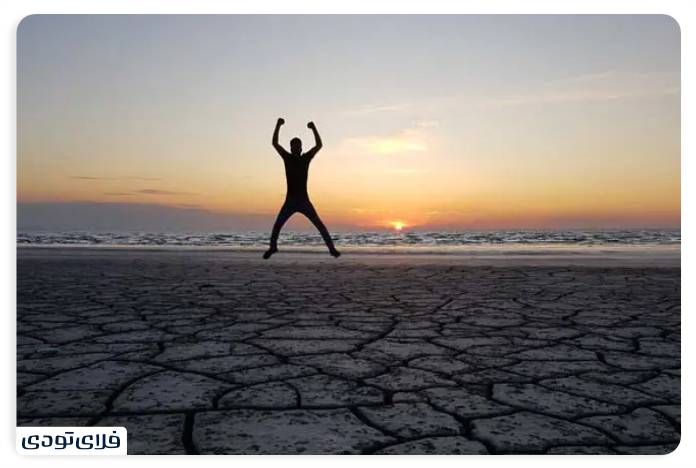
Water
Yalchi Wetland because of its geographical location on the Caspian Sea and close to TurkmenistanThe climate has temperate and humid. Summers are usually warm and humid with an average temperature of about 1 to 2 degrees Celsius, and winters are temperate to relatively cold, with an average temperature of 1 to 2 degrees.
The annual rainfall in the area varies from 1 to 2 mm, which most occurs in autumn and winter seasons. These conditions, along with high humidity, have provided a suitable environment for the growth of wetlands and migratory birds and made the wetland one of the most important aquatic bird habitats on the migration route.
The best time to visit the Gomishan Wetland
From November to late March, the autumn and winter seasons are the best time to travel to the Turkmen port and visit the Gomishan Wetland. This season you can both hide and enjoy the wonderful weather and the beautiful environment around the wetland. Although this natural attraction has its own beauty in spring and summer, it may be uncomfortable for some people at this time.
Sightseeing places close to Gomishan wetland
There are many attractions around the Gomishan wetland. So don’t worry about your patience at all, you are going to have an exciting trip. Here are some of the most famous places of this wetland and its surroundings.
Turkmen Port | A combination of authentic culture and attractions of tourism
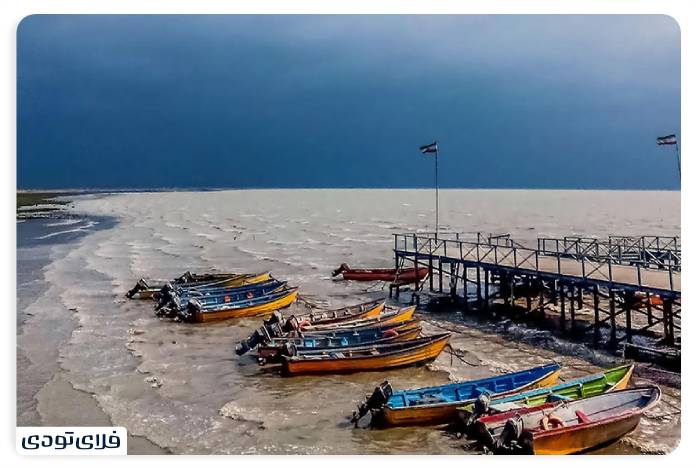
The Turkmen port is one of the ports close to the Gomishan wetland. The Turkmen tribes live in this area, which was long -term to the port of the Shah. These tribes have their own clothing and customs. During the trip to the Turkmen port, visit attractions such as Customs Market, Monday Market, Safavid Fortresses, Turkmen Sahara, Turkmen Port Party and more.
Turkmen port address on the map
Sufi Forbidden Hunting Area Golestan’s richest habitat
The forbidden hunting area of Sufikam is located west of Golestan province and near the Iranian and Turkmen border. Because of its special location, it is part of the route of aquatic migratory birds. Managed by the General Directorate of Environmental Protection of the Province, this area has strict rules to prevent hunting and unnecessary exploitation of wildlife.
In the immigration season, valuable species such as the small white goose, the Pakecanist and Dorna pelicans come here and give the area a special look. Seasonal rangelands and water resources have also made Sufikam very important for limited and controlled grazing of local livestock. If you intend to visit or work here, obtain a formal license from the requirements.
Ashuradeh Island | Cavar source in Iran
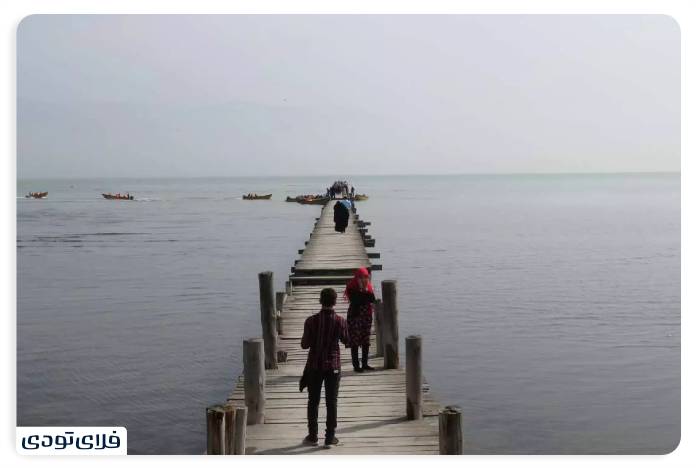
Ashuradeh Island is one of the most spectacular attractions in the area that draws many tourists every year for birdwatching. The island is the only island in the Caspian Sea. You might be interesting to know that about 2 percent of Iran’s caviar is provided on the island. Ashuradeh Island It is now uninhabited and only tourists are traveling.
Ashuradeh Island address on the map
Petroleum Flower Attraction on the east coast of the Caspian Sea
Gulfshan Nafimiljeh is located north of Gomishan city and near the east coast of the Caspian Sea and is known as one of the active geological phenomena in the region. Not only is this scientific value for studying subsurface activities and sedimentary structures, but because of its specific characteristics, it is of interest to tourists and geological researchers.
It is possible to access the island via the Gomishan -Khojah road, but its dirt and sometimes rough route requires a proper car. Their flower activity occurs in irregular times and eruptions can cause deformation, so being at a safe distance and observing safety tips is essential. It is also not recommended to visit this area without coordination with the Provincial Cultural Heritage and Environment Department.
Naft -e -Naqshid’s flower address on the map
Gomish Hill | Golestan Province Crafts World
Gomishatepeh is a port city in the northwest of Golestan province, adjacent to the Turkmen border and the eastern coast of the Caspian Sea and is an important destination for tourists due to the combination of Turkmen culture and natural and historical attractions. The border and handicraft markets such as Turkmen carpet and needlework are among the city’s economic and cultural attractions. Access to Gomisha Tapeh is possible via the Bandar Turkman -Aq -Aq -Aqman coastal road.
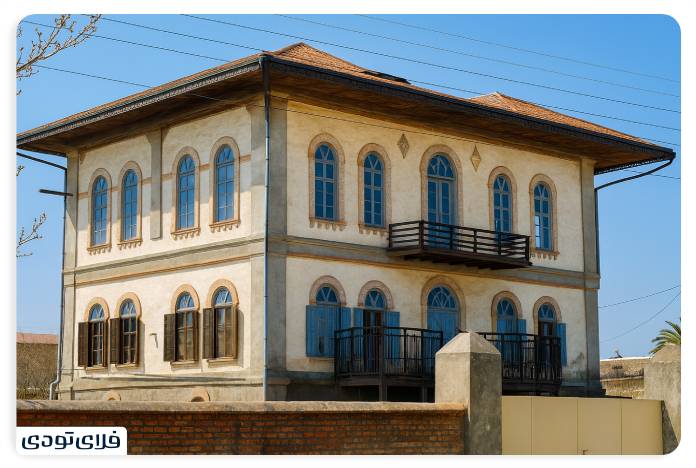
Gomisheh hill address on the map
Stay at Gomishan Wetland
If intention Hotel Reservation You have the Gomishan wetland around you, you should know that there is no place for tourists to stay in this area. So if you stay in this wetland you should have camping and tent equipment with you. You can also stay in one of the hotels and resorts of the surrounding villages and ports of Turkmen, such as Isaac and Marzieh’s residence in Gomishah Tapeh, Caspian Residence in Imam Square in Gomishan and Shirmohammadi Boommami Residence in Gomisish Hill.
Recommendations to visit Gomishan Wetland
Some of the important things to consider when visiting the Gomishan Wetland should be the following recommendations and tips:
- Autumn and winter, especially December to Bahman, where species diversity is at the peak; The best time to watch migratory birds,
- Take a binoculars or small telescopes to view the birds. It is also recommended to have waterproof shoes and warm clothing in the cold seasons.
- Before traveling, coordinate with the city or provincial environmental office to obtain a visit permit. Especially if you intend to professional or research photography, do not listen to this.
- To avoid disturbing birds and other wildlife; Keep the right distance with them and avoid getting close to the nests or herds.
- Return all your garbage and avoid any waste in the environment.
- The roads leading to the wetland may be dirty or rough; A chassis car or local guide is recommended.
- Keep the silence of the environment so that the natural behavior of birds does not disrupt.
Vegetation and animal coverage around Gomishan wetland
Gomishan wetland is a rich and varied habitat of plant and animal species due to the composition of saline and sweet water and special climate. More than 5 plant species, aquatic species, reptiles, amphibians, mammals and more than 5 bird species live in and around the wetland.
Around the wetland, there are nesters (al -Nizami and Louis), which are actually a bird shelter. Salic plants such as saline, saline and salin -resistant herbaceous species have formed a large volume of vegetation in the area. In areas where sweeter water, aquaculture and immersion of water manninlofar and water risk are also found.
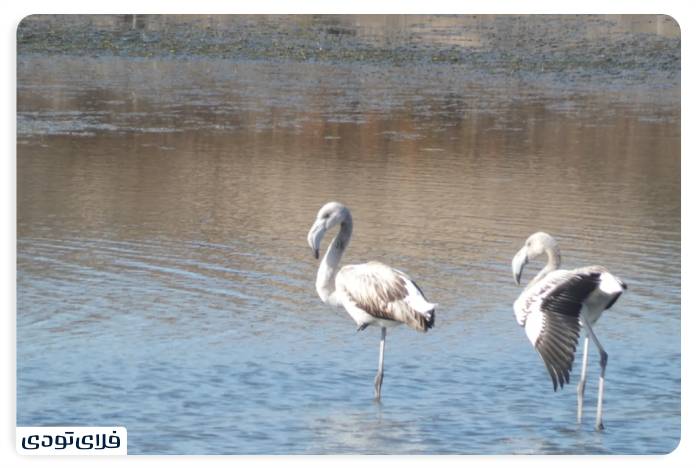
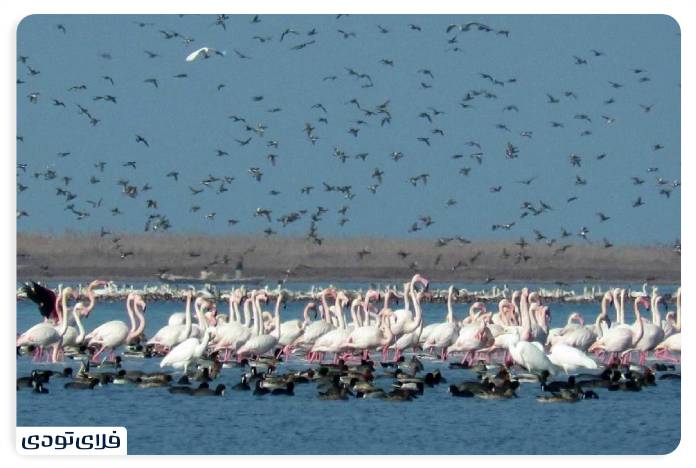
In this wetland there are animal species such as flamingo, gray pelicans, gray goose, large Kashmir, lush duck and anchor, most of which come to this place in immigration seasons. Among the mammals in this area can also be G.The secret, the jackal, the Turkmen fox and the forest cat pointed out around the wetland. Wetland waters also host a variety of fish such as white, carp, word and Turkmen carp.
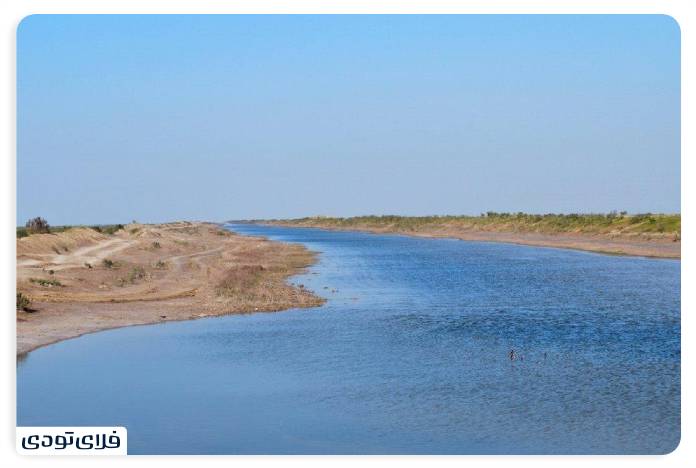
Gomishan wetland, migratory birds in northern Iran
In this article one The sights of Golestan, Well known as an international treasure, we have introduced you to the gum wetland. Located on the Iranian -Turkmen border, this wetland is also strategically important in addition to natural beauty and plant and animal value.
If you pass through the beautiful province of Golestan and the Turkmen port, be sure to set aside this attraction. Of course, you will need to get a license for this visit. It is recommended to travel to Gomishan Wetland in the fall to see the birds that have chosen this place as their shelter. If there is another point about this issue that is not mentioned, be sure to share it with us and other readers so that others can benefit.
Frequently asked questions about Gomishan wetland
Where is the address of the Gomishan Wetland?
Gomishan wetland is located in Golestan province, northwest of Gomishan (Gomisha Tapeh), and close to the Turkmen port.
What is the area and depth of the gum wetland?
The wetland is about 1.5 to 2.5 hectares and its average depth is about 1.5 meters.
When is the best time to visit the Gomishan Wetland?
The best time to visit autumn and winter, especially from November to March, is because there are many migratory birds in the wetland in these seasons.
What birds are seen in Gomishan wetland?
There are more than 5 species of birds, including flamingo, ancient duck, royal eagle, pelican and checkeredness in the wetland.
How to access Gomishan Wetland?
To reach the wetland you can move from Gorgan to the Turkmen port and then Gomisheh Tapeh, from there about 1 to 2 kilometers north.
Do you need a special license to visit the wetland?
Some wetlands are part of the protected areas and the hunting area that requires official permission to visit.
What is the reason for naming the Gomishan Wetland?
The name “Gomishan” means “Silver Hill” and is probably chosen because of the reflection of light at the level of salt or the discovery of silver objects in the past.


RCO NEWS