

Have you ever thought about a strait that, like a natural museum, showcase the history of the earth for several thousand years? The Shirz Strait in Lorestan province, with unique sedimentary cliffs, waterfalls and clear rivers, is such a place. Located 2 kilometers from Kuhdasht, on the outskirts of the Simre River, it is known as one of the oldest natural museums on earth. The effects of human life in the Layers of the Valley of the Shirz Valley reflect the area’s several thousand years of history. The pleasant climate and the lush nature of this gorge fascinate every tourist. If you want to get acquainted with this amazing attraction, we suggest the comprehensive story of the Tourism Magazine Fly Study.
Where is the Shirz Valley?
The Shiraz Valley is one of Iran’s unique natural attractions in Lorestan province. The valley is located 2 kilometers north of Kuhdasht, in an area called the descendants of Qaba. This place is located on the border between the three provinces of Lorestan, Ilam and Kermanshah because of its geographical location.
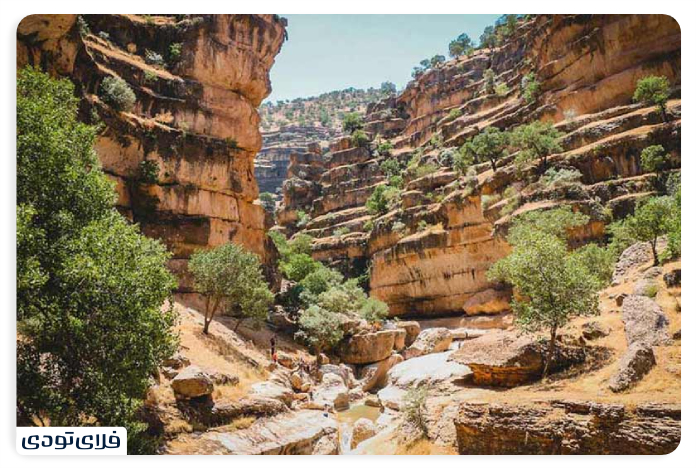
The existence of the Simre River, which passes through the valley, has shaped lush landscapes and limestone cliffs. The Shiraz Valley with stone walls, caves, waterfalls and diverse vegetation is an attractive destination for nature -tournaments, rock climbing and mountaineering. This valley is known as the “Iranian Grandknion” because of its geological characteristics and biodiversity. The access to the valley includes a combination of asphalt roads and walking routes.
In addition to its natural beauty, this valley is also culturally and historically valuable. Local narratives and scattered antiquities in the region show the historical age of the valley. This place as one of Spectacular places of Lorestan It is an ideal option for people who seek to relax and discover the pristine nature.
- Address of the Shirz Strait: Lorestan, 2 km from Kuhdasht, Zardlan District, Children’s Children, Shirz Strait
Address of Lorestan Shirz Strait on Google Map
The general characteristics of the Shirz Strait
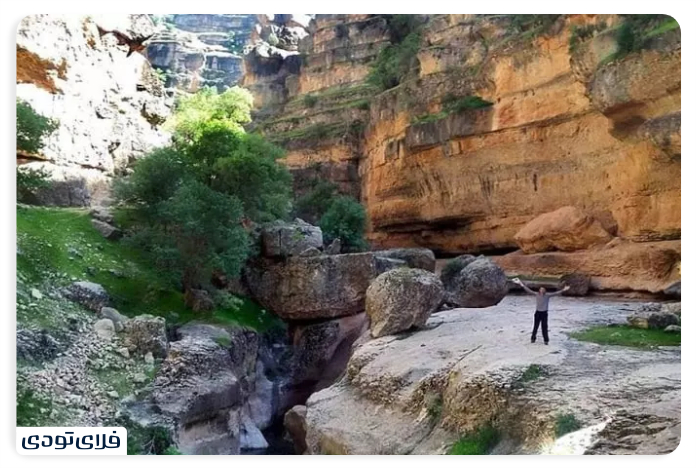
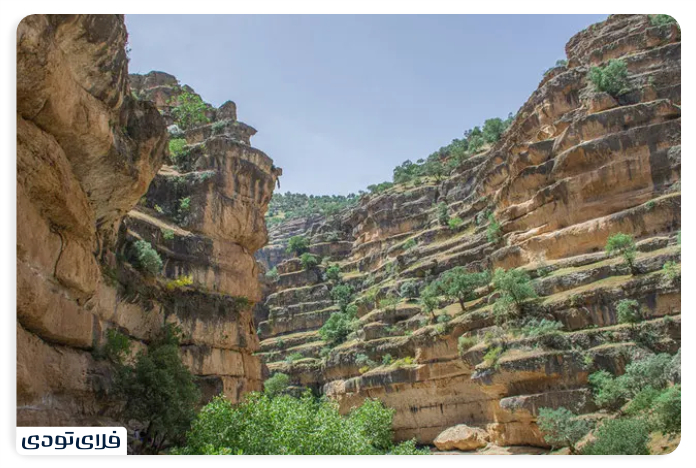
The Shiraz Strait is about 2 kilometers long and its walls vary from 1 to 2 meters. This gorge has become unique due to the erosion of the Simre River water flow and geological agents for millions of years. The Simre River, along with numerous springs, has made the area lush and fresh. The calcareous rocks with specific layouts have given the walls a special shape.
Among the villages around this gorge include the village of Goddera, the children of Qaba and Cham Mehr. Due to their proximity to the gorge, these villages have allowed tourists to stay and accommodate. The gorge access routes are also generally appropriate, but in parts of the hiking path there is a need for accuracy and fitness.
The area’s vegetation includes oak trees, hawthorn, wild pears and medicinal plants such as thyme and borage. The wildlife also includes animal species such as foxes, rabbits, otter, squirrels and native birds.
Female
The name “Shirz” is derived from the combination of the word “lion” (symbol of power) and “Z” (meaning path and passage). Some believe that this name refers to the presence of wild lions and animals in the past. It is said that in the past the lions lived in the valley, and the shape of the rocks is similar to the awe of milk.
Some also believe that the name “Shirz” is derived from the sound of river water flow in colliding with rocks, which produces a lion -like sound. Local legends also suggest that the valley is a lion and hunting shelter, which has made it known as the “Valley of the Lions”.
Access routes to the Shirz Valley
To reach the Shirz Strait in Travel to LorestanThere are several main paths. The first route begins in the city of Kuhdasht. About 2 kilometers of asphalt route reached the entrance to the gorge. From this point you have to walk about 2 kilometers to reach the deep valley.
The second route is from Khorramabad, which takes about 2 hours by car. Another route is from Kermanshah and Ilam, crossing the mountainous and winding roads. The hiking path in the gorge has narrow and impassable parts that require physical fitness.
- Distance of Shirz Valley to Khorramabad: 1 km (1 hour and 2 minutes)
- Distance of Shirz Valley to Kuhdasht: 1 km (1 hour)
- Poldokhtar to Shirz Valley: 1 km (1 hour and 2 minutes)
- Durrod to Shirz: 1 km (1 hour and 2 minutes)
- Distance from Tehran to Shirz Strait: 1 km (1 hour and 2 minutes)
- Kermanshah to Shirz Valley: 1 km (1 hour and 2 minutes)
Travel to Shirz by plane
To travel to Shirz, you can with Purchase of Khorramabad plane tickets Go to Khorramabad from the origin of Tehran or other cities. After landing at Khorramabad Airport, you will reach Kuhdasht and then to the Shirz Strait for about 4 hours. The route from Khorramabad to Kuhdasht is asphalted and can be traveled.
Travel to Shirz by train
The nearest train station to the Shirz Strait is the Doroud Railway Station. With Buy Durrod Train Ticket You can reach this city. From Durrod to Kuhdasht, the ground route is about 2 kilometers, which takes about 2 hours by car. This route passes through the mountains and the oak forests and has a beautiful view.
Travel to Shirz with a car
To travel by car, the main route starts from Khorramabad. By the Khorramabad route to Kuhdasht and then to the entrance to the Strait, 2 km north. The asphalt road continues near the Strait, but the end of the road is a little dirt. There are also sub -routes from Ilam and Kermanshah to Kuhdasht.
Ecosystem of Shirz Strait
The gorge access route includes hiking in the hearts of rocks that require physical fitness. Due to the high diversity of plants and animals, this area is known as a rich natural ecosystem. Animal species such as foxes, rabbits, otter and hunting birds are found in the area.
Also, herbal diversity, including oak, hawthorn, wild pear and medicinal plants such as thyme and borage, have added to the appeal of the area. These attractions have made the Shirz Strait one of the most important tourism destinations in western Iran.
One of the most important attractions in the area is the Simre River, which passes through the valley, forming lush vegetation and seasonal waterfalls. The existence of numerous caves and erosive phenomena caused by water and wind flow have created astonishing landscapes.
Introducing the attractions of the Shirz Strait
The Shirz Strait is full of natural and historical wonders. Limestone cliffs, Simre River, waterfalls and diverse vegetation are among the attractions in the area. The walking path inside the gorge is surrounded by tall walls that have specific erosion shapes.
The area is also valuable in archeology because of the discovery of monuments and ancient fossils. Caves, natural springs, and stone minarets are other important sights in the area. The Shirz Strait is one of the areas listed in the UNESCO National List.
Gypsum
The phenomenon of “Magazine of the Strait of Shirz” is one of the most amazing geological features of the area. This phenomenon refers to the existence of magnetic properties in some of the strait’s rocks. It is said that in parts of the route, if you turn off the car or place a light metal body on the ground, it will naturally move up or cliffs. This is related to the specific properties of the minerals in the cliffs and natural electromagnetic currents of the Earth.
The composition of iron and other mineral metals in the structure of the cliffs causes a weak magnetic field that leads to the movement of objects in the opposite direction. This phenomenon, in addition to attracting the attention of geologists and researchers, has surprised tourists. Visitors often try to discover the scientific cause by experimenting with this phenomenon.
In addition to the magnetic properties, the layout structure of the rocks and calcareous and sedimentary compounds has made the region very valuable scientifically and geologically valuable. It also has a different intensity in different seasons, depending on the weather and the humidity of the environment. Shirz magnet is a rare example of the interaction of natural elements in a particular environment.
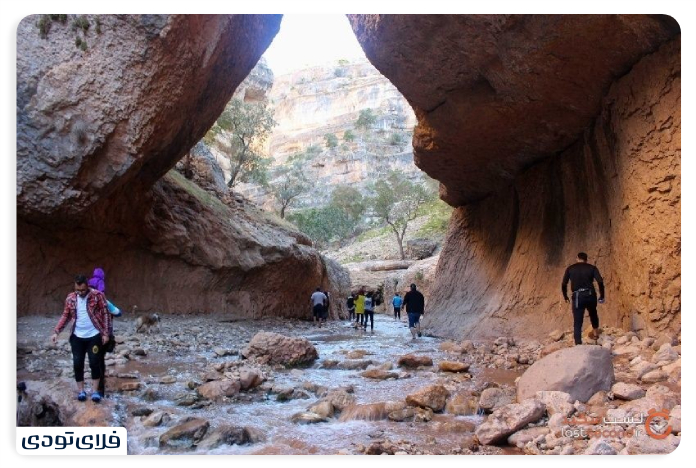
Cave the bridge of God the Valley of Shirz
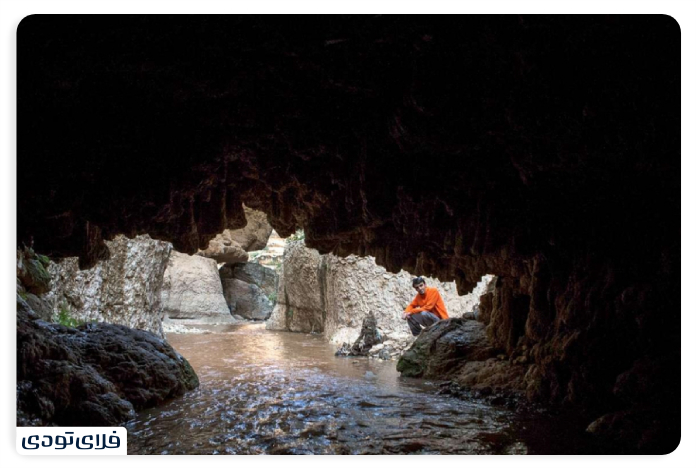
The Cave of God Bridge is one of the most attractive and special parts of the Shirz Strait. The cave is formed in the form of a natural bridge in the heart of calcareous rocks. The height of this natural bridge is about 2 meters and the cave crater offers a unique view of the Simre River and the surrounding rocks.
The formation of this natural bridge was due to millions of years of erosion caused by water and wind flow. The river water gradually destroys and separates part of the cliffs, and as a result, a bridge -shaped cave is formed in the heart of the valley.
In addition to geological value, this cave is also aesthetically spectacular. The combination of natural light with calcareous rocks has created a magical space inside the cave. The sound of the flow of water under the bridge and its reflection on the cave walls creates a quiet and earpiece atmosphere. The cave access passes through the valley and needs to walk and cross the cliffs.
In addition to natural attraction, this cave is also valuable as a historical place. Some archaeologists believe that the Cave of God’s Bridge has been used as a natural shelter in the past. This cave is one of the most popular parts of photography and adventure among nature -seekers.
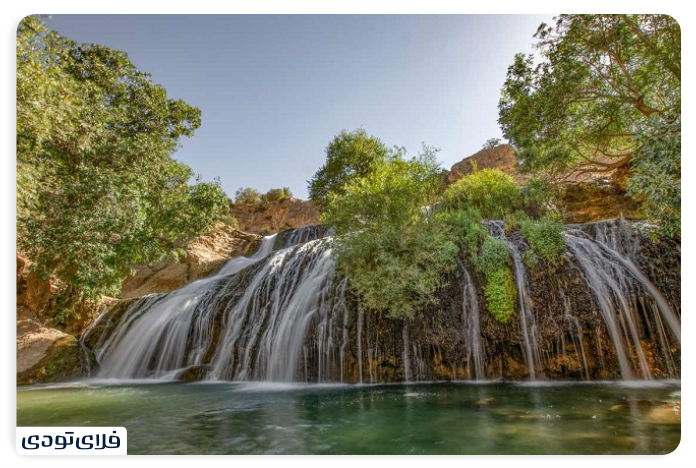
Lorestan Shirz Strait Falls
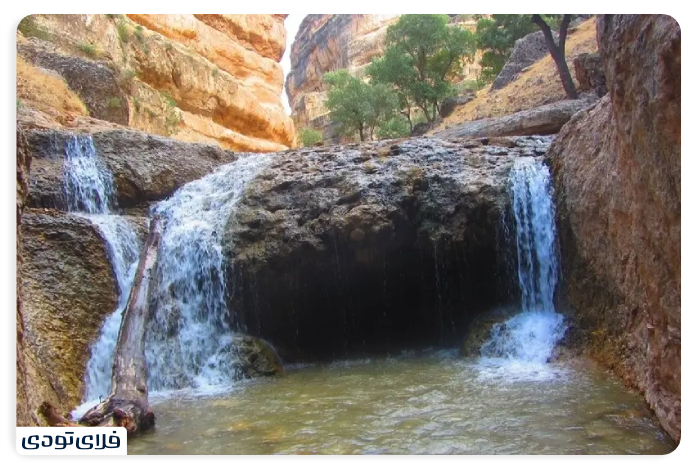
The Shirz Valley has several natural waterfalls due to its specific geographical location and the passage of the Simre River. The largest waterfall in the area is near the gorge and reaches about 2 meters high. This waterfall has its most water -watered due to seasonal rainfall in spring and autumn.
The flow of water comes out of the cliffs and crosses the stone walls, creating a beautiful and stunning view. In the spring, the volume of river water increases and creates smaller waterfalls along the valley.
Some of these waterfalls are permanently flowing, but some are seasonal and dried by reduced rainfall. The combination of clear water, green moss and calcareous rocks give the area a special look. Visitors often swim in the shallow sections of the river and enjoy the coolness of water.
The sound of water flow, mild breeze and shade of oak trees provide a relaxing environment for visitors. These waterfalls have different effects in different seasons. Spring and summer are the best time to visit these waterfalls.
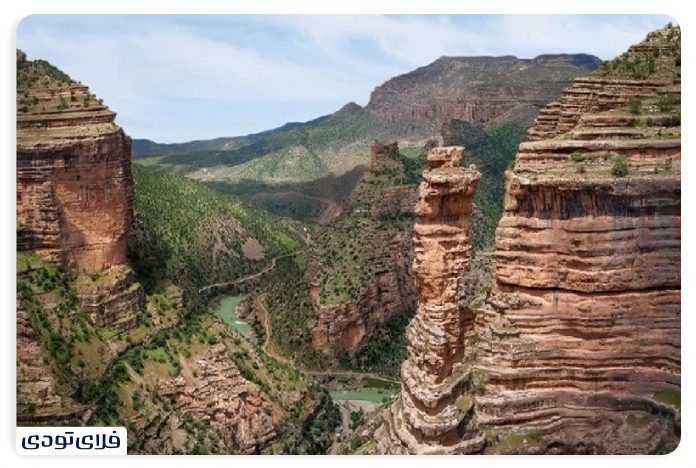
The stone minaret
The stone minaret is a natural column of about 2 meters high due to wind and water erosion. This column is made of calcareous and sedimentary rocks that have been influenced by water flow and temperature changes for millions of years.
The cylindrical appearance and the uneven surface of this minaret make it look like historical towers. The stone minaret takes a different shape from every angle you look at.
This column is known as one of the natural symbols of the Shirz Strait. This natural phenomenon is one of the unique examples in Iran because of its specific geological situation. Visitors usually go through a relatively difficult path in the rocks to take photos and watch this stone column.
Around this minaret, there are smaller rocks and natural gaps that show long -term erosion activities in the area. Stone minaret is one of the most important scientific and tourism attractions in the Shirz Strait.
River Valley Shirz
The Simre River, also known in some sources as “Samira”, is one of the main branches of the Karkheh River and plays an important role in western Iran geography. The river, 2 kilometers southeast of Kermanshah, is formed by the rivers of Gharaso and Gamasiab and flows southwest.
Along the way, Simare passes through the mountainous areas and deep valleys and eventually joins the Karkheh River. The river flows through the border between the provinces of Lorestan and Ilam and acts as a natural border between the two provinces.
One of the natural attractions associated with the Simre River is the Shirz Strait, located near Kouhdasht city in Lorestan province. The Shiraz Strait, approximately 2 km long and tall walls at a height of 1 to 2 meters, is one of the most beautiful gorges in Iran. The river that crosses the strait eventually joins the Simre River and creates stunning natural landscapes.
The existence of numerous springs, waterfalls and diverse vegetation around the Simareh River and the Shirz Strait has made the area a popular destination for nature travelers and adventure enthusiasts. Also, the river is a habitat of various species of fish and birds that have added to the biodiversity of the area.
Given the environmental and tourism importance of the Simre River and the Shirz Strait, the protection of these natural resources and sustainable tourism development in this area is of particular importance.
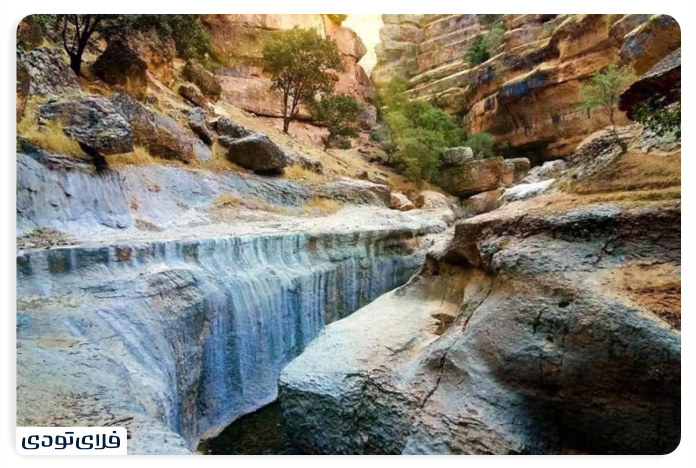
Sights around the Shirz Strait
The Shirz Strait in Lorestan province, in addition to its natural beauty, comes with a variety of attractions around it, each of which is worth visiting.
The Valley of the Care
The Valley of the Sarbarahan is one of the most beautiful natural areas of Lorestan province located near the Shirz Strait. With its stunning scenery and pristine nature, this valley attracts many tourists every year.
The Valley of the Group is covered with lush rangelands, perch plains and aromatic plants. In the spring, the valley becomes a earthly paradise that enchants the variety of colors and fragrances of the flowers. The Simre River, which passes through the valley, has added to the greenery and vitality of the area and provides a suitable habitat for different plant and animal species.
In addition to natural beauties, the Valley of the Grine is also of historical importance. The ancient artifacts discovered in this area indicate human habitation in various historical periods. This has added to the attractions of the valley and has made it a perfect destination for those interested in history and archeology.
The Valley of the Care with a variety of walking paths and pristine natural landscapes is a great place for nature, photography and camping. Also, the existence of the Simre River allows tourists to fish and water.
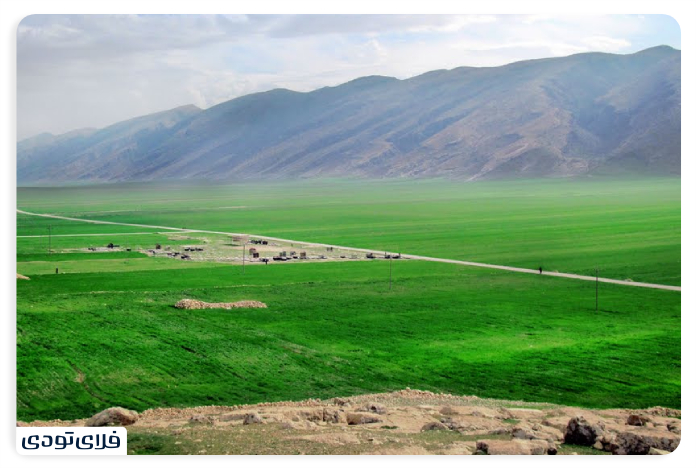
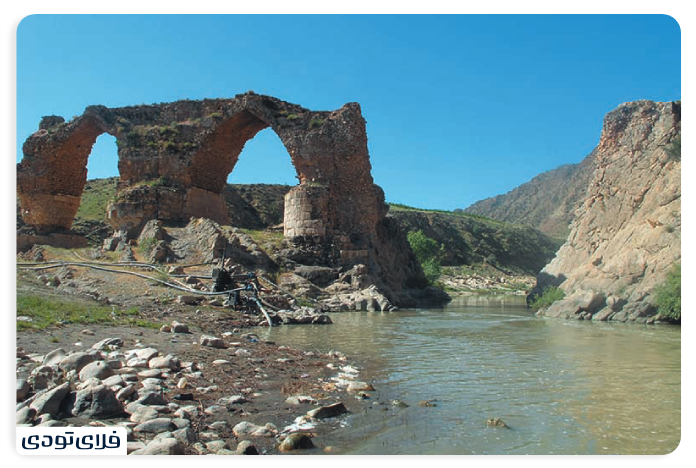
Thirty stairs bridge
Si Pele Bridge is one of the antiquities of Kuhdasht city in Lorestan province, built on one of the rivers in the area. This historic bridge, with its unique architecture, represents the art of engineering in ancient times.
The history and architecture of Paul Paul belong to the Sassanid era and initially had four arches. Today, there are only two arches of the bridge that still maintain their strength. The bridge length is about 2 meters and the manufacture of stone and plaster is used. On the stones of the bridge, there are engraved motifs that each tell a story of the past.
This bridge is of particular importance as one of the heritage of the Sassanid architecture. The existence of such bridges reflects the development of roads and the importance of communication at that time. Over the centuries, the Thirty Paul Bridge remains, though parts of it have been destroyed. The bridge requires restoration and protection to remain for future generations.
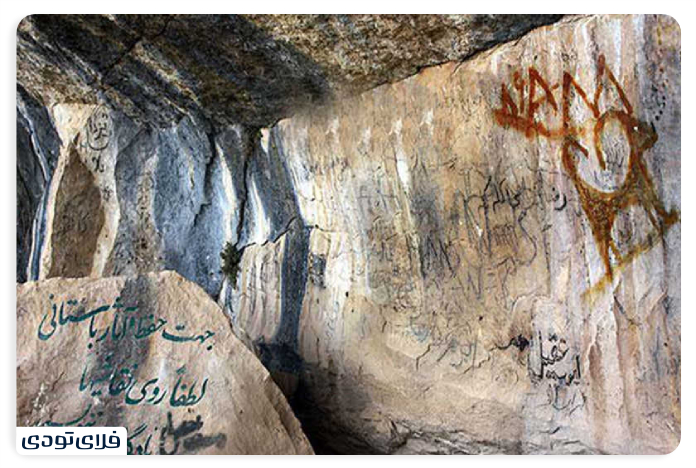
Mir Mir Cave
Mirmlas Cave is located 2 kilometers northeast of Kuhdasht, located in the Sarrgan Mountain. This cave is known for its ancient paintings engraved on its walls. These motifs include pictures of hunting, war and various animals such as deer, cows, dogs, foxes, and especially horses and riders.
The size of these paintings varies from 1 to 2 cm and is often drawn as a profile. According to experts, these rocks dates back to the tenth millennium BC, more than 5,000 years ago. These paintings are the first symbols of human art and provide valuable information about the life, culture and beliefs of pre -historic human beings.
Darah Village
In the northern Kouhdasht village, the beautiful village is called Darake, which is a popular destination for tourists because of its lush and pleasant landscapes. The village, with its historical history, attracts enthusiasts of indigenous culture and nature tourism. The pleasant climate, lush landscapes and historical history of this village are among the attractions of tourism.
Shirz Blue Cave
Another amazing natural attractions around the Shirz Valley is the Shirz Blue Cave, which locals call “God’s Bridge”. Located at the end of the Shirz Valley, it is known as one of Iran’s blue caves. The cave is about 2 meters long, with a river flowing with clear and cool water that reaches the knee in some places in some places.
Due to the lack of sunlight into the cave, the water temperature is always low and even cool in the warm seasons. The cave crater is located in the middle of the river and there is no guide to finding it, so finding the cave entrance may be difficult for visitors. For this reason, it is recommended that you visit the cave with local guides and equipment, such as flames and waterproof clothing.
The weather
Due to its geographical location and high altitude, the Shiraz Valley has a temperate mountainous climate. The temperature changes between the seasons in this area are quite evident and each season has its own characteristics.
Shirz in the spring
Spring (April to June) is the best season to visit the Shiraz Valley. As the spring season begins, the rivers become filthy, and the greenery and freshness of oak, hawthorn and wild plants create eye -catching landscapes. The air temperature in this season is usually between 2 and 2 degrees Celsius.
Spring blossoms and wild flowers add to the beauty of the valley. The sound of the Simre River and the cool air brings a pleasant experience to visitors.
Shirz Strait in the summer
Summer (July to September) Shirz Valley has a cool and cool air, unlike many parts of Iran. The temperature is between 1 and 2 degrees Celsius, but at night the temperature decreases and the air is slightly cool. The shade of the long walls and the passage of the river through the valley make the area’s air cooler than around. Summer is a good season for rock climbing and swimming in the river.
Shirz Valley in Autumn
Autumn (October to November) creates a stunning view in the Shiraz Valley by changing the color of the leaves to orange, yellow and red. The air temperature is between 1 and 2 degrees Celsius and the morning air is cool and pleasant. Autumn rainfall usually begins in late October and increases the flow of river and fog in the valley. This season is very suitable for photography of colorful landscapes and hiking in nature.
Shirz in the winter
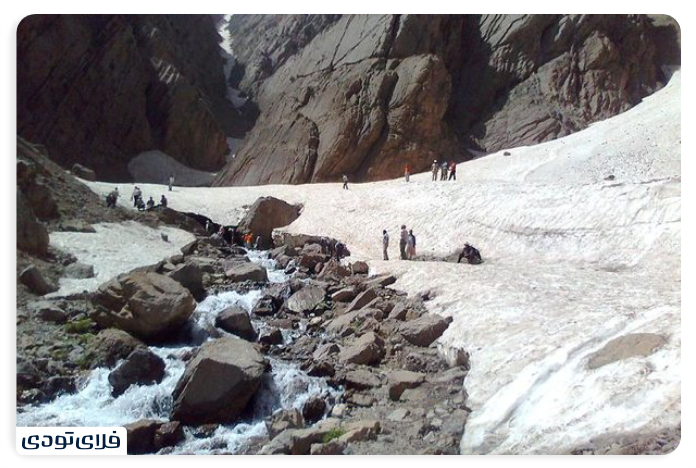
Winter (December to March) The Valley of the Shirz Valley takes a different face due to snow and rain and temperatures below zero. The walls of the valley are covered with a layer of snow and ice. The air temperature usually varies from -5 to 2 degrees Celsius. Walking routes this season become slippery and dangerous. The river flow is also weaker due to reduced rainfall, so traveling to this gorge in winter is not recommended at all.
The best time to travel to the Shirz Strait
Spring (April to June) and Autumn (October to November) is the best time to travel to the Shirz Strait. Summer is also a good time due to the coolness of the air and shade of the gorge walls. Winter is not good for visiting due to the cold and frost.
Kuhdasht souvenirs
The most famous souvenirs of Kuhdasht are rugs, carpets, jajim, pottery and livestock products such as curd, animal oil, and honey. Local bread, dairy, walnuts and almonds are also famous products in the area. Medicinal herbs such as thyme, borage and chamomile are also known as Kuhdasht herbal souvenirs.
Stay in the Lorestan Shirz Strait
In the beautiful area of the Shirz Strait due to the pristine nature and geographical location, no hotel, inn or permanent residence has been established. This area is more suitable for daily tour and nature tourism and is not as long as nights. The lack of accommodation infrastructure has led tourists to return to urban areas after visiting the Strait to rest and stay at night.
The closest options for staying are Kouhdasht hotels that are about an hour of driving from the strait. These hotels, with standard amenities, welcome tourists who are looking for a relaxed place after a day of nature.
If you are looking for more diverse or higher quality residences, it is recommended to Hotel Khorramabad Move. As the capital of Lorestan province, Khorramabad has four star hotels, eco -tourism resorts and family suites and can be reserved online.
Also on the way back from the Strait, there are some local ecosystem resorts in the surrounding villages of Kuhdasht that can provide a different and closer experience to the indigenous culture of the area for travelers. To travel to the Shirz Strait, planning to return to the nightclub is essential.
Important Tips Visit of the Shirz Valley
For a safe and enjoyable experience to visit this gorge, it is necessary to pay attention to the following:
- Physical Preparation: The Shirz Strait is about five kilometers and includes sections with steep slopes and rocky paths; Therefore, it is essential to have proper fitness.
- Time Planning: It is best to move early in the morning to have enough time to visit and return and prevent the darkness of the air.
- Proper clothing and shoes: It is recommended to use comfortable clothing and hiking shoes. Also, bring extra clothing for sudden climate change.
- Sunglasses and glasses: Do not forget to protect against direct sunlight, edge hats and sunglasses.
- Sunscreen: Use sunscreen with suitable SPF to prevent sunburn.
- Water and Nutrition: Due to the lack of drinking water resources on the route, bring at least two liters of water. Also, energy snacks and dried fruits are useful for energy supply.
- Simple Lights or Hedmap: It is essential for visiting caves and low -lying areas.
- Mountaineering cane: It is useful to use mountaineering cane to maintain balance on rough routes.
- First aid box: Includes bandwidth, wound adhesive, essential medications and other basic requirements.
- Climate Review: Before moving, check the weather forecast and postpone the trip if there is a possibility of heavy rainfall or storm.
- Information to relatives: Before moving, tell your friends or family about your approximate return and time.
- Travel: It is best to travel to a group to help if there is a problem.
- Conservation of the Environment: Collect your garbage and refrain from abandoning them into nature.
- Respect for local culture: Respect local customs and avoid disturbing the residents of the area.
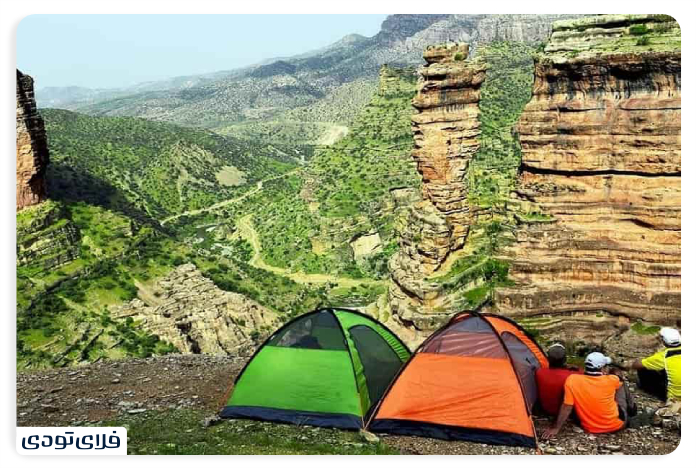
- Resistant tent: If you plan for night stay, have a wind and rain resistant tent.
- Proper sleeping bag: Choose the right sleeping bag depending on the night temperature of the area.
- Lighting Supplies: Camping or lantern lights are essential for night lighting.
- Cooking Equipment: Cut a small stove, light containers and food suitable for cooking.
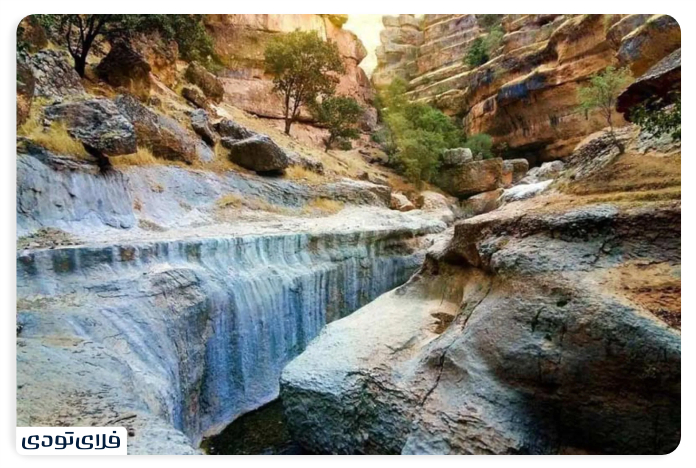
An unforgettable experience in the Shirz Strait; A journey to the heart of nature and history
Traveling to the Shirz Strait, one of Iran’s most amazing natural attractions, is an experience that fascinates every tourist. The Shirz Strait, with a combination of natural and historical beauties, is an ideal destination for nature -tourist enthusiasts.
Do you also have an experience of traveling to this beautiful gorge? What memories of visiting waterfalls, caves and landscapes in this area? We are happy to share your comments and experiences in the comments section and help others plan to travel to this place.
Frequently asked questions about the Lorestan Shirz Valley
Where is the Shirz Strait?
The Shirz Strait is located in the Zardlan district of Kuhdasht city of Lorestan province and is located on the border between Lorestan and Ilam provinces.
How long does the Shirz Strait?
The length of the Shiraz Strait is about 2 kilometers and its navigation requires medium to be prepared.
What is the distance between the Shirz Valley and the Khorramabad?
The distance from Khorramabad to the Shirz Strait is about 2 kilometers, which takes about 2 hours and 2 minutes.
How to go to the Shirz Valley?
To reach the Shirz Strait from Khorramabad, move to Kuhdasht and then go to the Uladiqabad Road to reach the Strait
Is the Shirz Strait residence?
There are no accommodation facilities in the Shirz Strait; But in the cities of Khorramabad and Kuhdasht there are a variety of residencers.
Is it possible to visit the Shirz Strait for all visitors?
Due to the impassable routes and the need for physical fitness, visiting the Shirz Strait is not suitable for everyone and it is recommended to visit with the right equipment and local guide.


RCO NEWS