


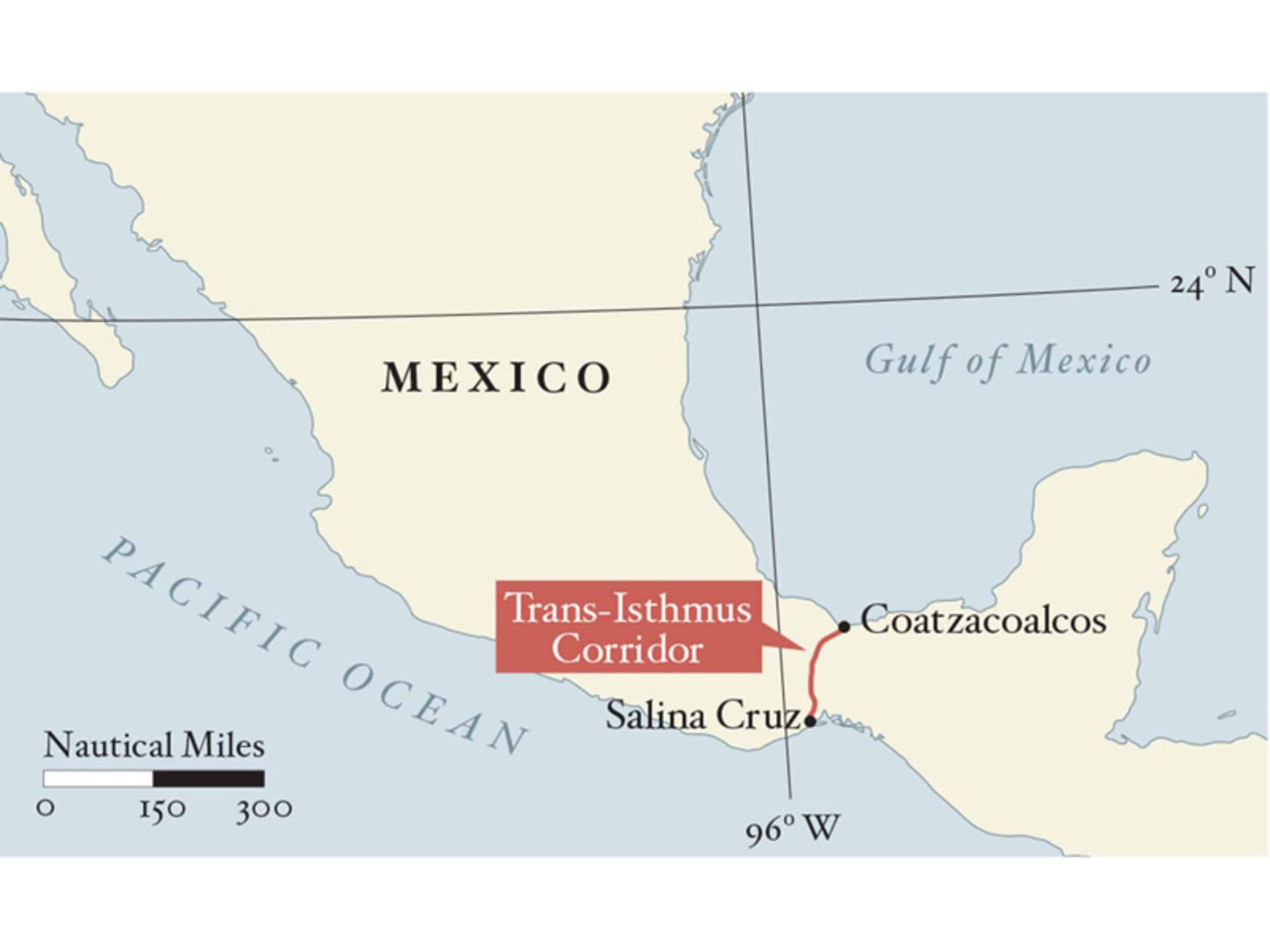
Mexico is running one of the boldest economic gambles in its history; An infrastructure project that has the potential to redefine global trade routes. Dubbed the Trans-Isthmus Corridor, the plan is often referred to as the Mexican version of the Panama Canal; Of course, with a fundamental difference. The main goal of this initiative is to connect the Pacific Ocean to the Atlantic Ocean through a modern rail system across the Strait of Tehuantepec. The project promises to enhance Mexico’s role in international trade and create new business opportunities. (Slip Maps)
What is the transisthmus corridor?
The Inter-Oceanic Corridor of the Isthmus of Tehuantepec (CIIT) is a transportation and logistics system designed to provide an efficient alternative to the Panama Canal. Instead of digging a new waterway, Mexico is revitalizing its rail and port network to allow rapid movement of goods between the Gulf of Mexico and the Pacific Ocean.
The new corridor is almost 300 kilometers long and is actually one of the shortest land routes between the two oceans. The speed of goods transfer in this route can change many cost and time equations for shipping companies.
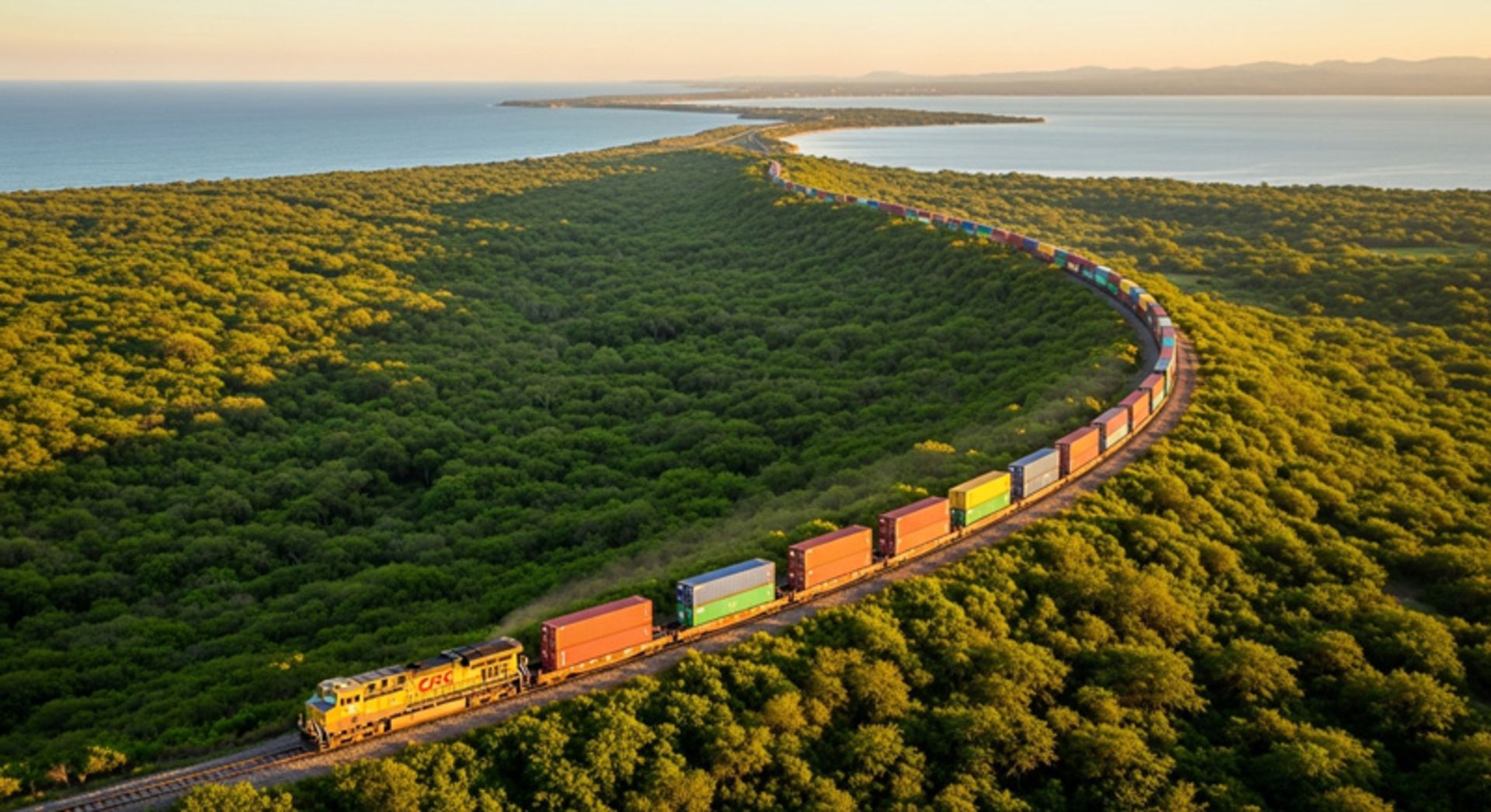
Geographical location and strategic importance
The Tehuantepec Corridor is located in southern Mexico, right on the narrowest strip of land between the Gulf of Mexico and the Pacific Ocean, providing strategic access to both coasts. The rail route passes through key economic hubs and the geography of the region makes it an ideal option for a transoceanic trade route. This land connection promises efficiency and speed that are currently rare in the maritime bottlenecks of the region.
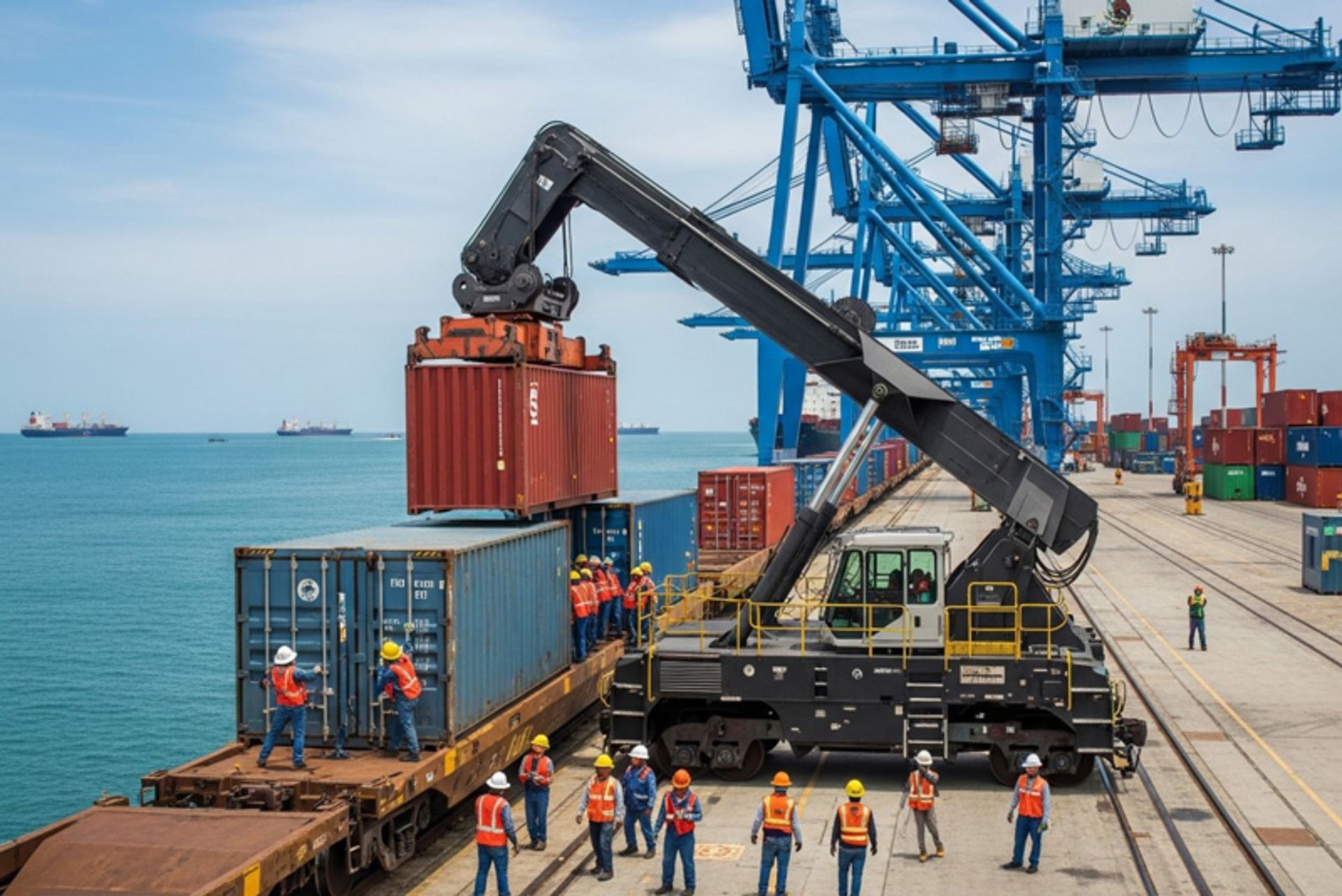
Why is Mexico building this corridor?
The Mexican government is thinking of reducing dependence on foreign trade routes by investing heavily in this project. As a vital artery of trade, the Panama Canal faces increasing congestion, which leads to delays and increased global transportation costs. In addition, the corridor is expected to create thousands of jobs in transportation and logistics and bring foreign direct investment to southern Mexico.
Project cost and schedule
Mexico has budgeted about four billion dollars for the great ambition of building a new corridor. This amount includes the renovation of railway lines, the development of ports and the creation of industrial infrastructure. A combination of government funding and private investments is the driving force behind this project.
Initial phases, including railway modernization and port upgrades, are underway, and reaching full operational capacity, including industrial parks and logistics hubs, may take until the end of 2025 or beyond. Although there are challenges such as environmental concerns and land acquisition, with strong government support and interest from global investors, the corridor is expected to become a game changer in global trade.
Do you think this rail route can be a real alternative to the Panama Canal or is it just an auxiliary force? Share your opinion with Kajaro.
Cover photo source: artificial intelligence

RCO NEWS