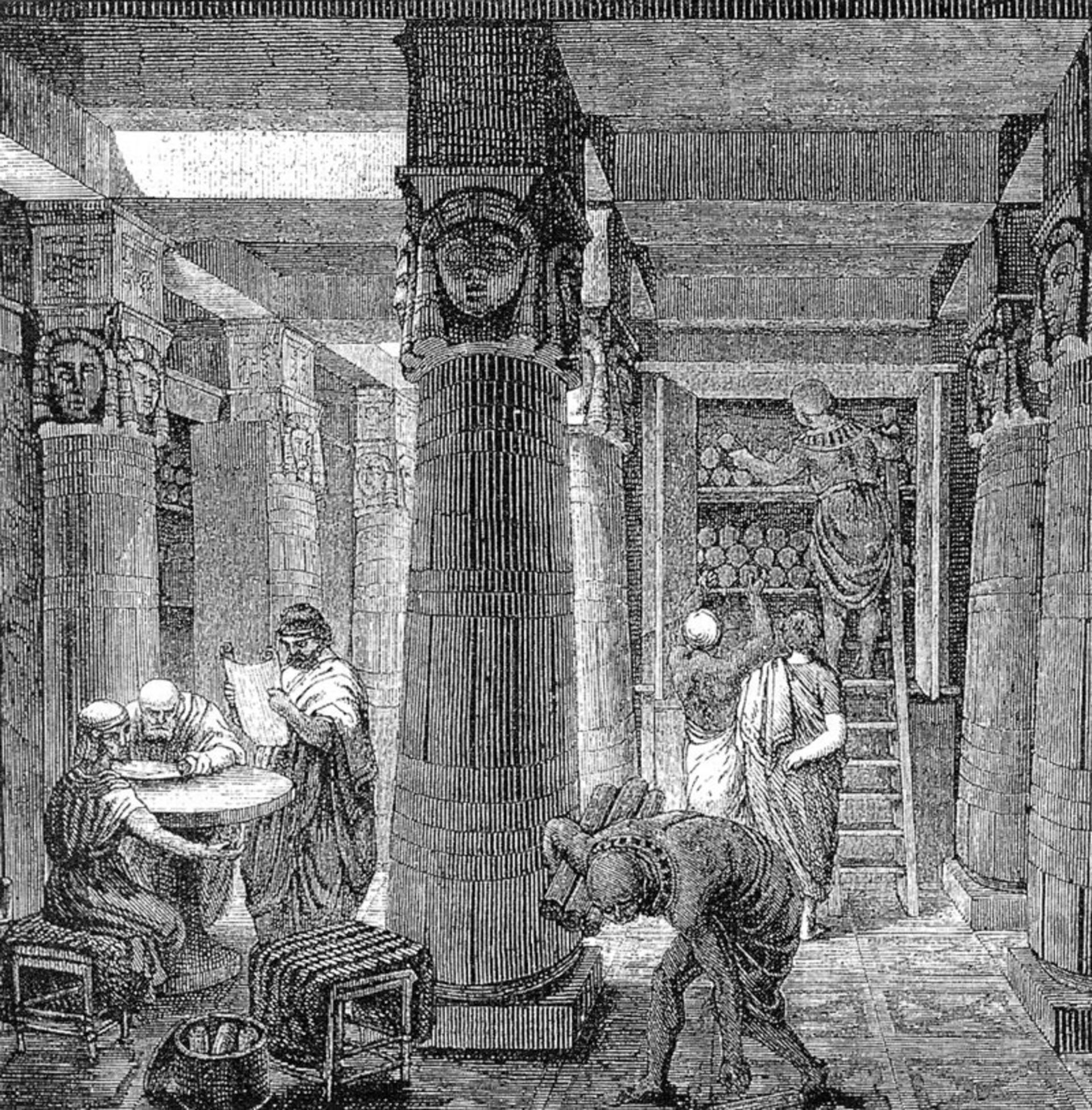
When flames engulfed the Library of Alexandria in Egypt, the greatest repository of human knowledge in the ancient world, a part of history’s identity disappeared. Who ignited this flame is one of the most controversial questions in history; Because this library was considered the most vital educational and cultural institution in the entire human history. This magnificent building, which was the pride of the ancient world, fell prey to fire several times, and in 48 BC, it was finally caught in the middle of a civil war; But is “Julius Caesar” really did it burn Or maybe even the patrons of the library themselves did it? (National Geographic)
It is interesting to know that the library of Alexandria, despite being located in Egypt, was actually a stronghold for ancient Greek culture, of which no trace remains; But the surviving reports from that era have described its stunning architecture and contents in poetic language. Thanks to the three-century influence of the “Ptolemaic” dynasty in Egypt, this complex was completely formed on the basis of Greek civilization.
Photographer: Unknown / en.wikipedia.org
The scientific center of Alexandria shone like a sun in the world for more than a thousand years. It is still unclear whether the idea of building it belonged to the first pharaoh of the Ptolemaic dynasty or his advisors; But he turned Egypt into the center of Greek culture. Built on the shores of the Mediterranean, Alexandria eventually became the gateway to civilization in every respect, from trade to art and philosophy.
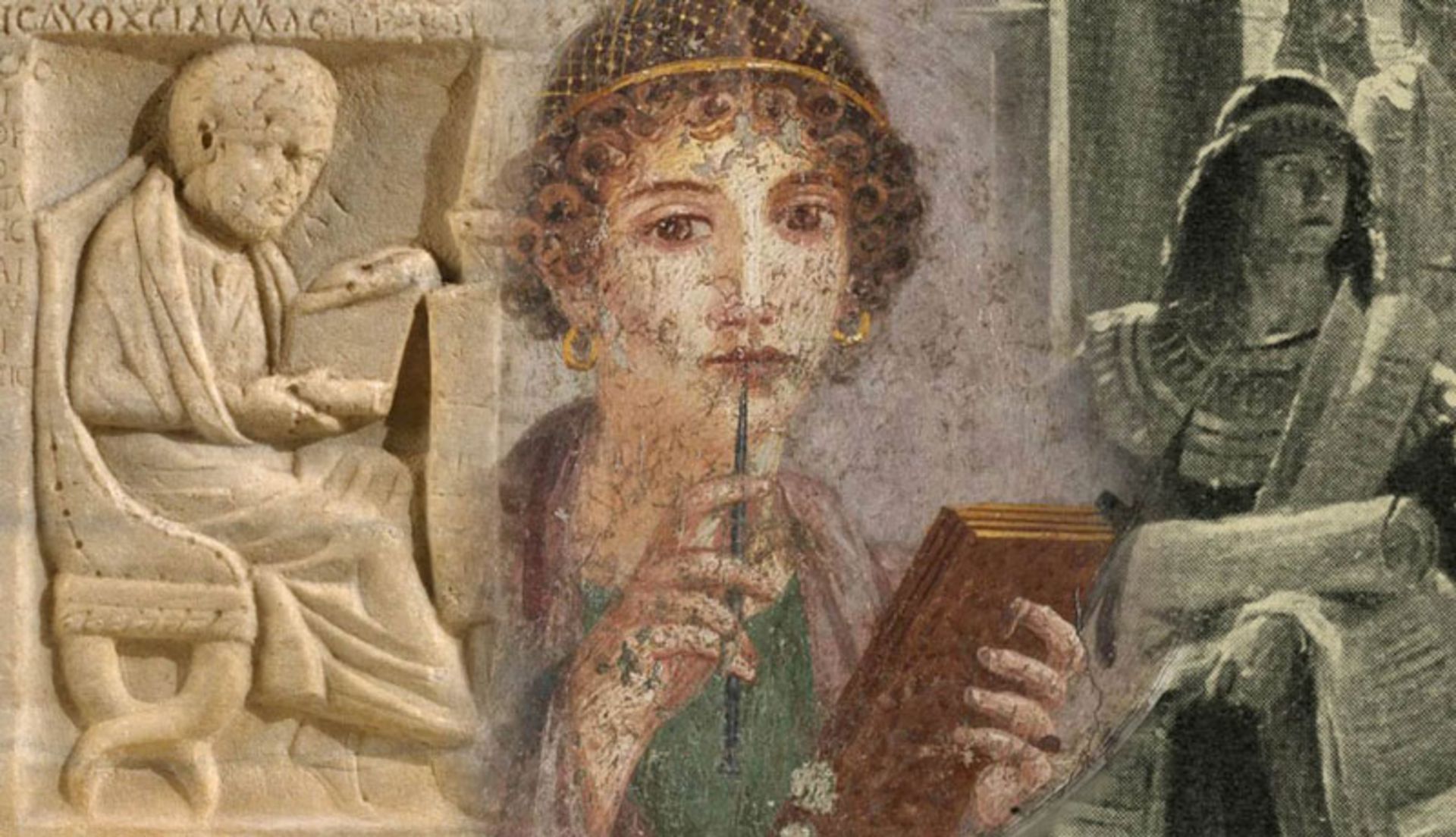
Around 295 BC, a mission began to collect the world’s largest collection of writings. This move marked Alexandria on the world map. Although the founding pharaoh did not see it open, his successors poured huge funds into the project. Royal agents scoured the world for writings and were able to purchase or copy valuable works such as Aristotle’s library and original copies of famous Greek plays.
Although this library was known to have all the ancient Greek literature, it also had works from other cultural centers such as Syria, Iran and India, and with hundreds of thousands of papyrus scrolls, it attracts scholars to discover mathematical, scientific and artistic facts. Its fame was so great that another branch named “Serapeum” was built for it in a nearby temple. However, during the reign of one of the Ptolemies, many scholars were expelled from there due to political conflicts.
Photographer: Unknown / www.thecollector.com
How did the flames reach the library?
It seems that the social unrest in Egypt provided the background for the fall of the library. In 48 BC, a part of the library fell victim to the civil war. That year, Julius Caesar went to war to support his ally, Cleopatra.
In order to prevent enemy ships from leaving the port, the Romans set fire to ships and docks. The flames spread to the city and reached the library building. Historical sources do not agree about the amount of damage; Some claim that the entire library was burned; But others say around 40,000 scrolls were destroyed.
However, there is evidence that parts of the library survived; because later texts still refer to the activities of scientists in that place; This shows that if the library was completely destroyed, these activities would not be possible.
Many researchers believe that the remains of the library and its scholars, along with the decline of the city of Alexandria itself, gradually weakened due to neglect. Alexandria, which was once a center of knowledge, fell under the rule of the Romans, and the Roman rulers apparently ignored this scientific treasure.
Although the main library was deteriorating, its second branch, the Serapeum, remained; Of course, it also had a bitter fate. As Christianity spread throughout the Roman Empire, Christian rulers began to fight against symbols they considered pagan. In 391 AD, following the conflict between scientists and Christians, the Serapeum building was attacked and destroyed.
Today, the debate about who destroyed the library and why is still hot. This story is like a murder mystery with multiple suspects that still hurts some people’s feelings. Some blame the Christians of the 4th century and others point the finger of blame at the later conquests.
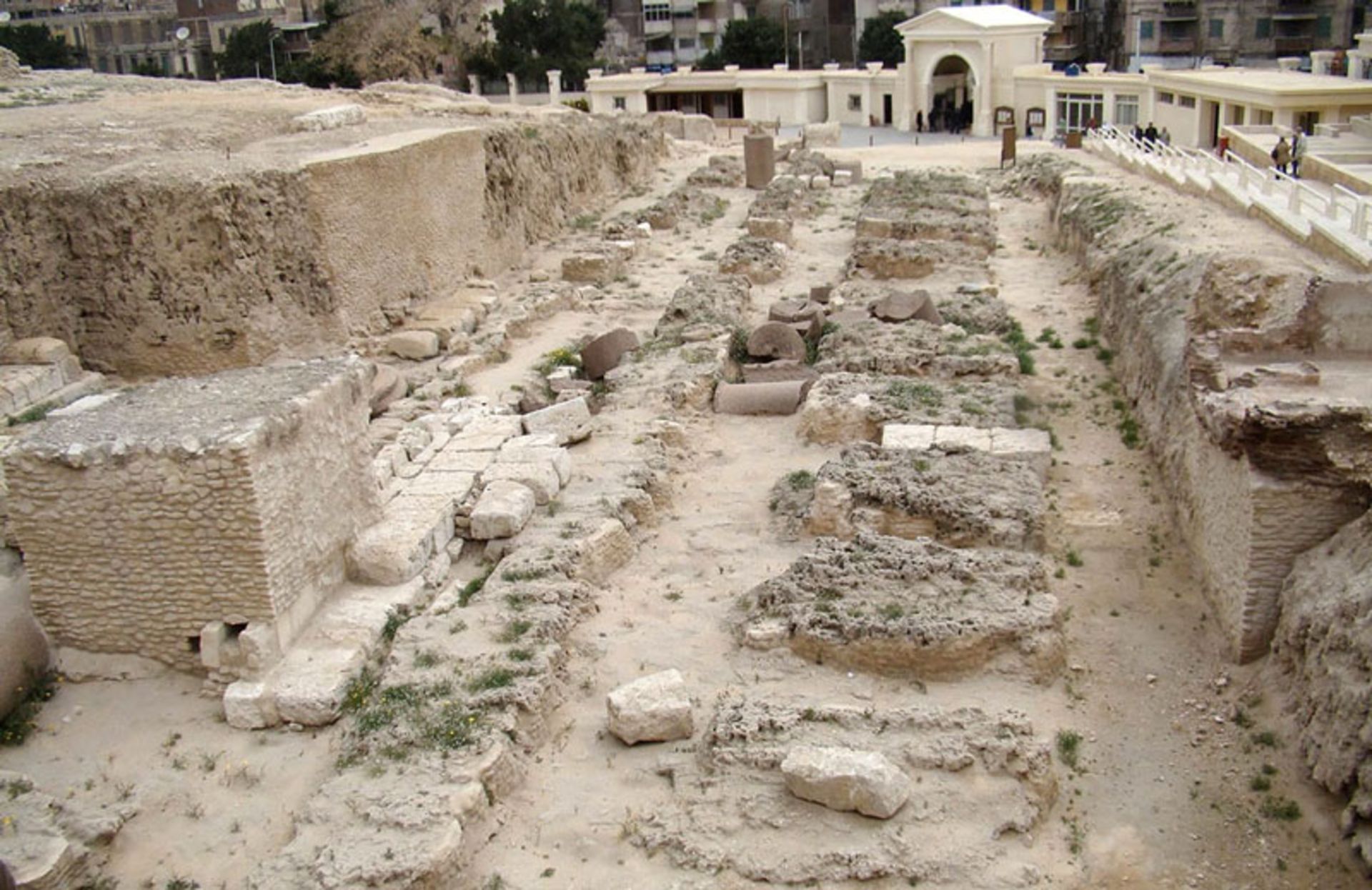
It is certain that with the passage of time, even the name and sign of the great building of the Library of Alexandria did not disappear from memory. Today, this building is a symbol of the greatest historical regrets; A wound that has not yet healed due to the permanent loss of that huge amount of ancient knowledge.
Photographer: Unknown / www.thecollector.com
In your opinion, which factor has played the biggest role in the destruction of this human heritage? War, bigotry or indifference? Write your opinion for us and other audiences.
Cover photo source: vocal.media, photographer: unknown

RCO NEWS