

Perhaps it is almost impossible to imagine life without a comfortable bed, overnight shopping or luxury vacations; But in some corners of the world, there are still communities that live in a completely different way. From the “Tuareg” tribe, who spend their entire lives in the great African desert, to the “Nenets” people, who migrate about 1,287 kilometers every year, these people are the last survivors of the nomadic life in the world and are considered one of the most fascinating and surprising of them. In Iran, there are many nomads who still maintain their originality. Join us to have a brief look at these nomadic tribes. (love exploring)
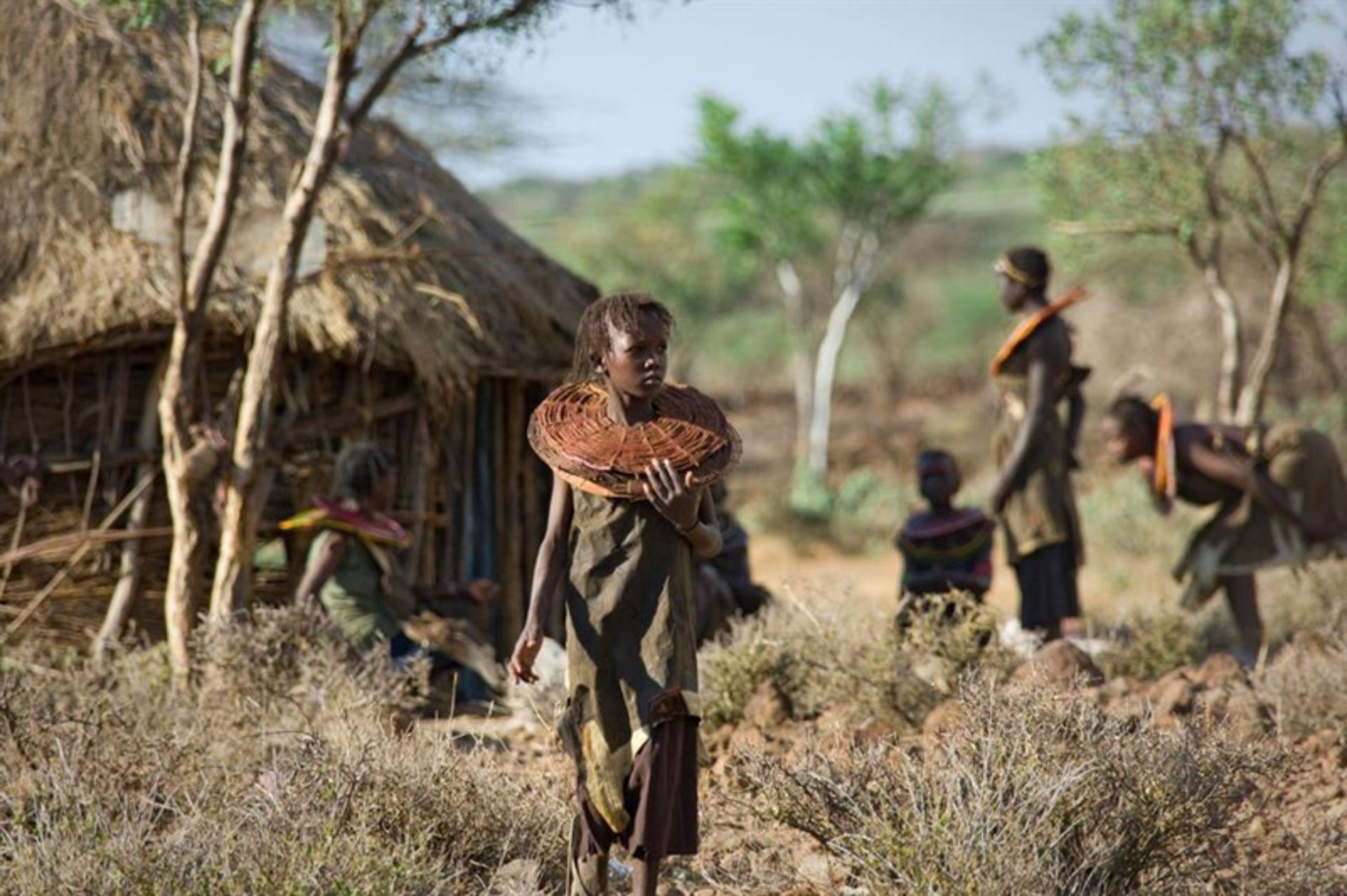
Pokot tribe of Africa; A society with a livestock economy
The Pokot tribe lives in Kenya and Uganda and has maintained a semi-nomadic lifestyle, tribal traditions, and livestock-based economy since the 18th century. The cow has a special place in their social life and the wealth and reputation of each person is measured by the number of cows. Colorful ritual ceremonies and dances are also an important part of their daily life, and glittering jewelry is a sign of individual dignity. Although many of the ancient traditions of Pokot still stand; But modernity has not affected them either.
Photographer: Eric Lafforgue / loveexploring
Siberian Nenets people; Nomads of the glacial tundra
The “Nenets” people have been migrating with reindeer herds in the minus 50 degree cold of Siberia for thousands of years, and every year they cover a path of about 1,287 kilometers in search of new pastures. Their life, from food and clothing to means of livelihood, is completely dependent on deer. Climate change, tundra melting, and oil extraction have disrupted traditional migration routes and forced them to adapt to new conditions. However, the Nenets remain one of the most resilient indigenous communities in the Arctic.
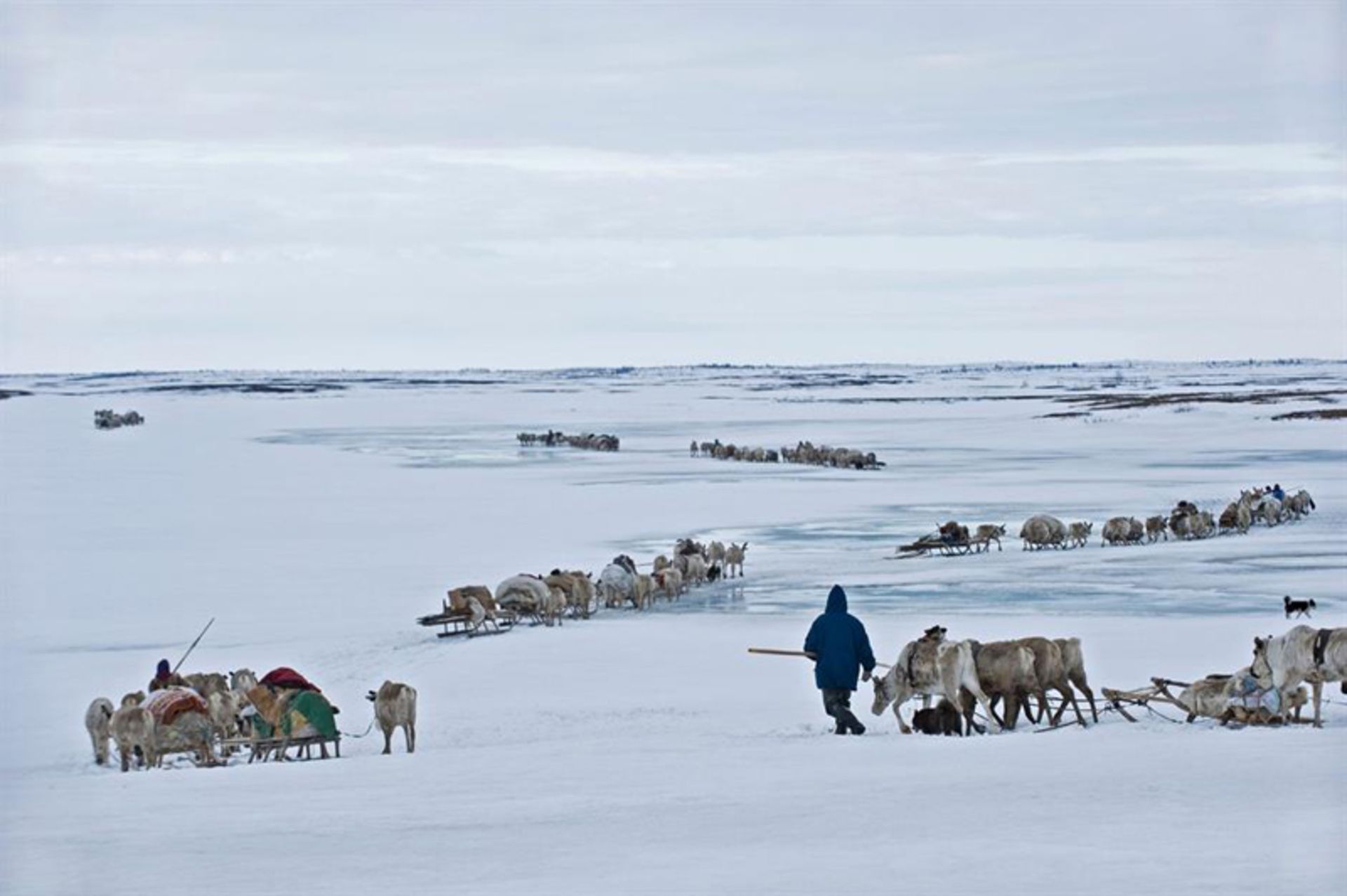
Photographer: Arne Hodalic / loveexploring
Bajau seafaring people of Asia; Legendary divers of the sea
The Bajau people, known as “sea nomads”, have lived among the waves and waters of Indonesia, Malaysia and the Philippines for more than 1,000 years. The floating wooden houses of this people are built on the sea and they are famous for their extraordinary diving skills; Because they sink 60 meters deep for several hours every day and hold their breath for long minutes. Bajaus do not have official citizenship of any country and they are not allowed to stay permanently on land. Industrial fishing also threatens the source of traditional livelihood of this people.
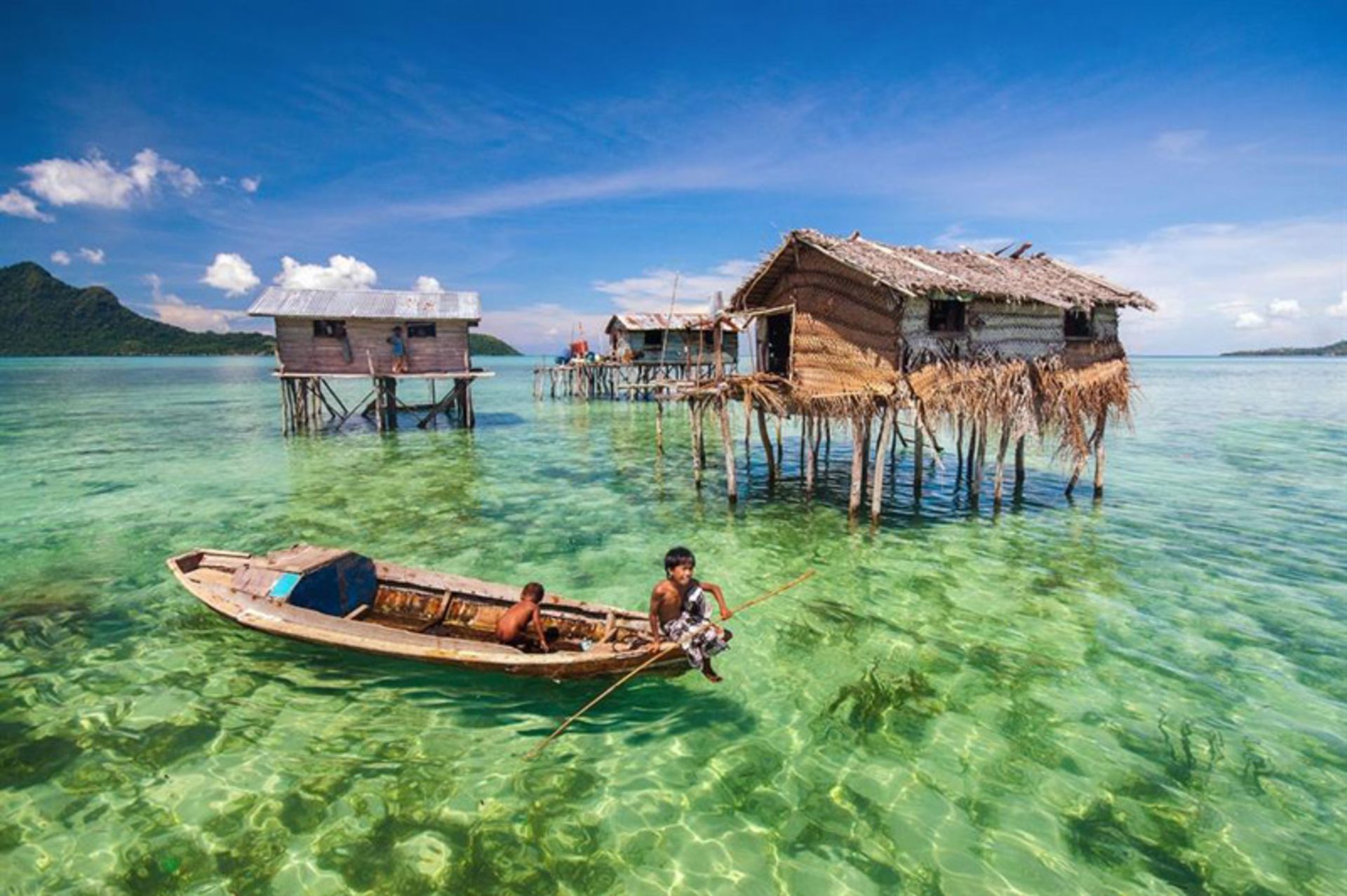
Photographer: muhd fuad abd rahim / loveexploring
Romanian people of Eastern Europe; The most widespread nomads in Europe
The Romanian people are one of the largest and, at the same time, the most marginalized nomadic groups in Europe; A tribe with roots of about 1,500 years that migrated from India to Europe and were forced to settle in the face of widespread discrimination. In countries such as Romania and Bulgaria, they are known for their live music and colorful costumes, and have turned to jobs such as livestock trading or fortune-telling to make a living. Today, groups still travel by wagon and horse; But some move in motor homes or settle in permanent settlements to escape ongoing discrimination.
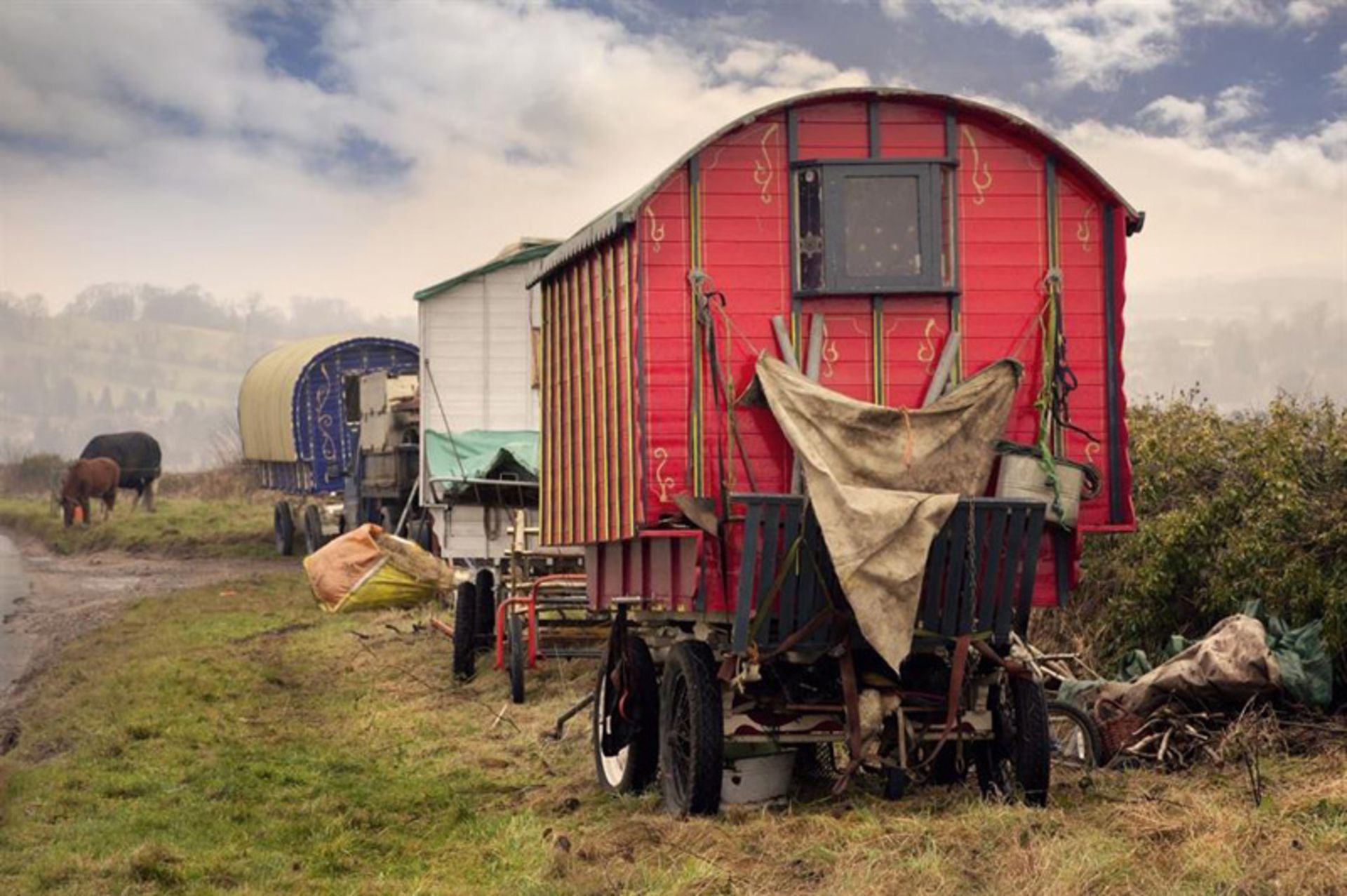
Photographer: Andrew Roland / loveexploring
Arab Bedouins of the Middle East; One of the most resistant nomads in the world
Arab Bedouins are among the most resistant nomads in the world who live in the hot and dry deserts of the Middle East, between Egypt, Syria and Jordan. Their tradition is based on animal husbandry and seasonal migration; They spend winters in deep deserts and summers in arable lands; But the forced settlement policies and movement restrictions in recent decades changed the traditional life of this people. So that today, some of them remain nomads and others have settled in cities.
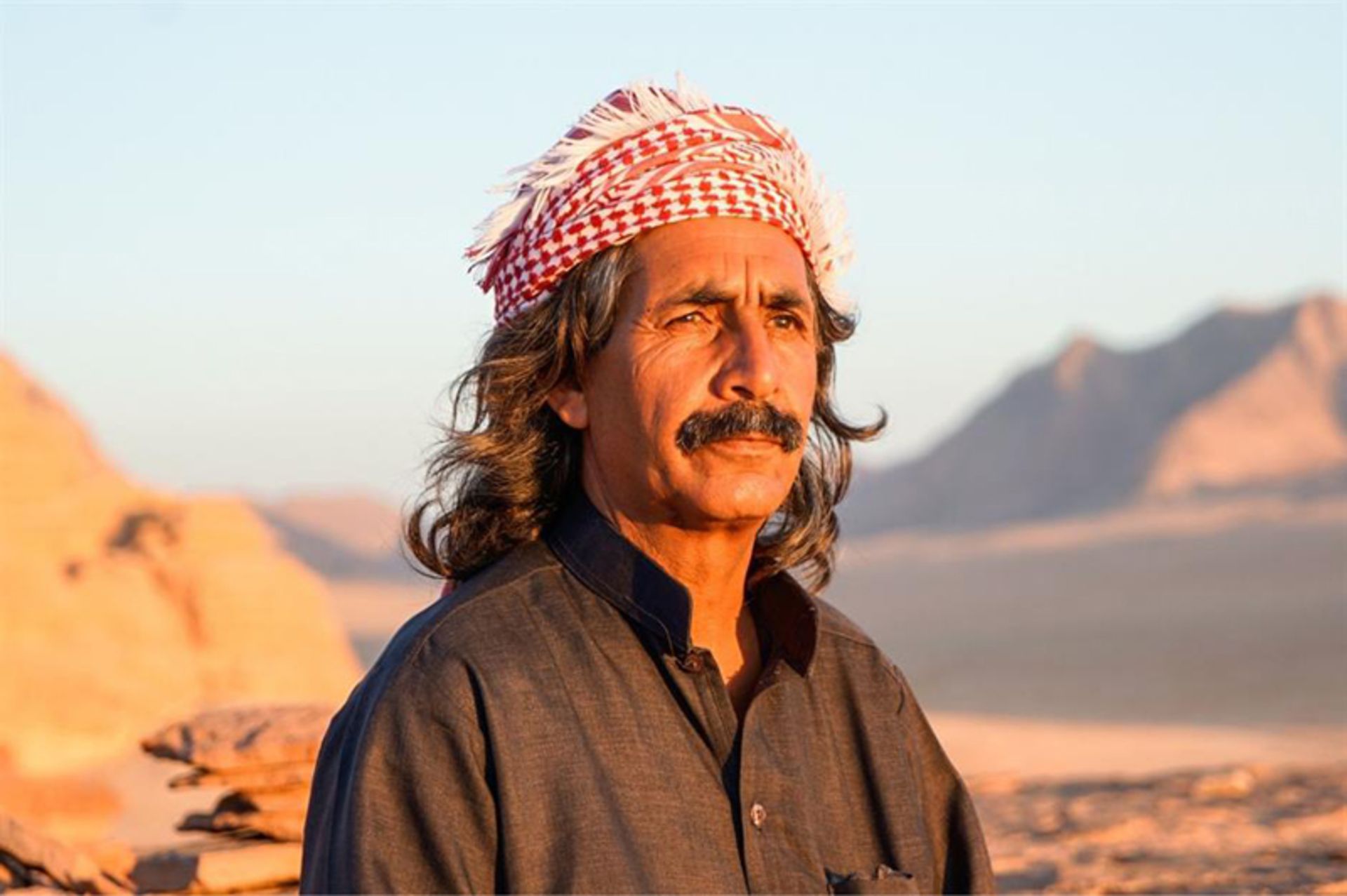
Photographer: Angela Meier / loveexploring
Mongolian nomads; One of the biggest nomads in the world
Nomadism in Mongolia has its roots for centuries, and even today, about one million people out of the country’s three million population live in tents and migrate twice a year (spring and winter) with their herds. Each family has about 1,000 animals such as camels, sheep and goats; But this lifestyle is under threat. Climatic changes, lack of fodder and harsh winters caused many to migrate to the city; Over the past three decades, about 20% of the country’s population has moved to the capital, and the historical pattern of nomadism has deteriorated.
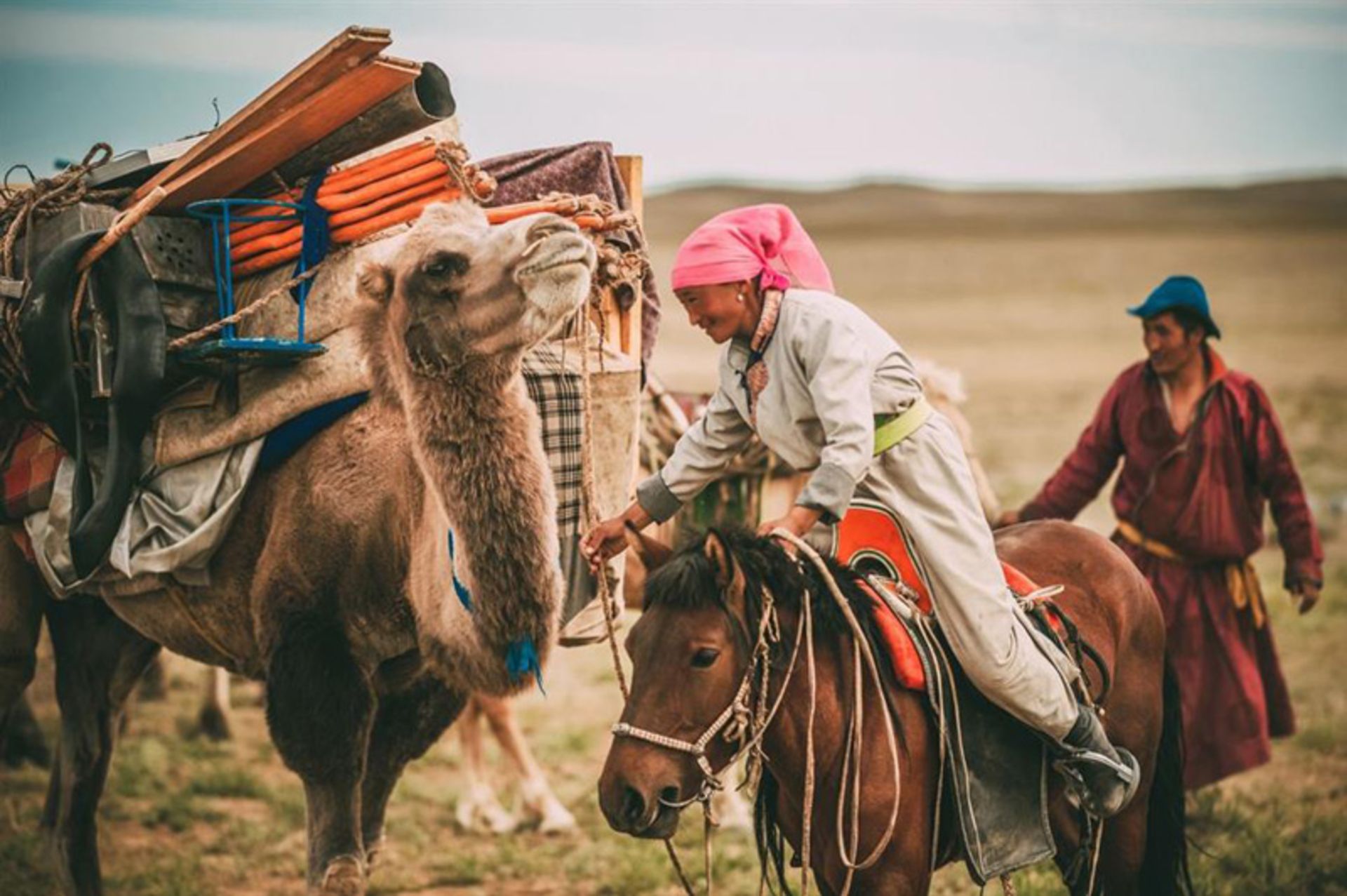
Photographer: Mehendra_art / loveexploring
Greek Sarakatsani people; The nomads of the Pindos mountains
In the heart of the vast and impassable mountains of “Pindus” (Pindus) in Greece, people called “Sarakatsani” (Sarakatsani) live who have been shepherds for a long time. Throughout the year, they move between the plains of Türkiye and the slopes of Mount Pindos to find pasture for their herds. They make temporary houses of wood and branches covered with straw and cover the floor and walls with mud and animal manure. Their population in the 1950s was about 80,000 people; But today, due to competition for pastures, social changes and economic pressures, less than 9,000 people remain.
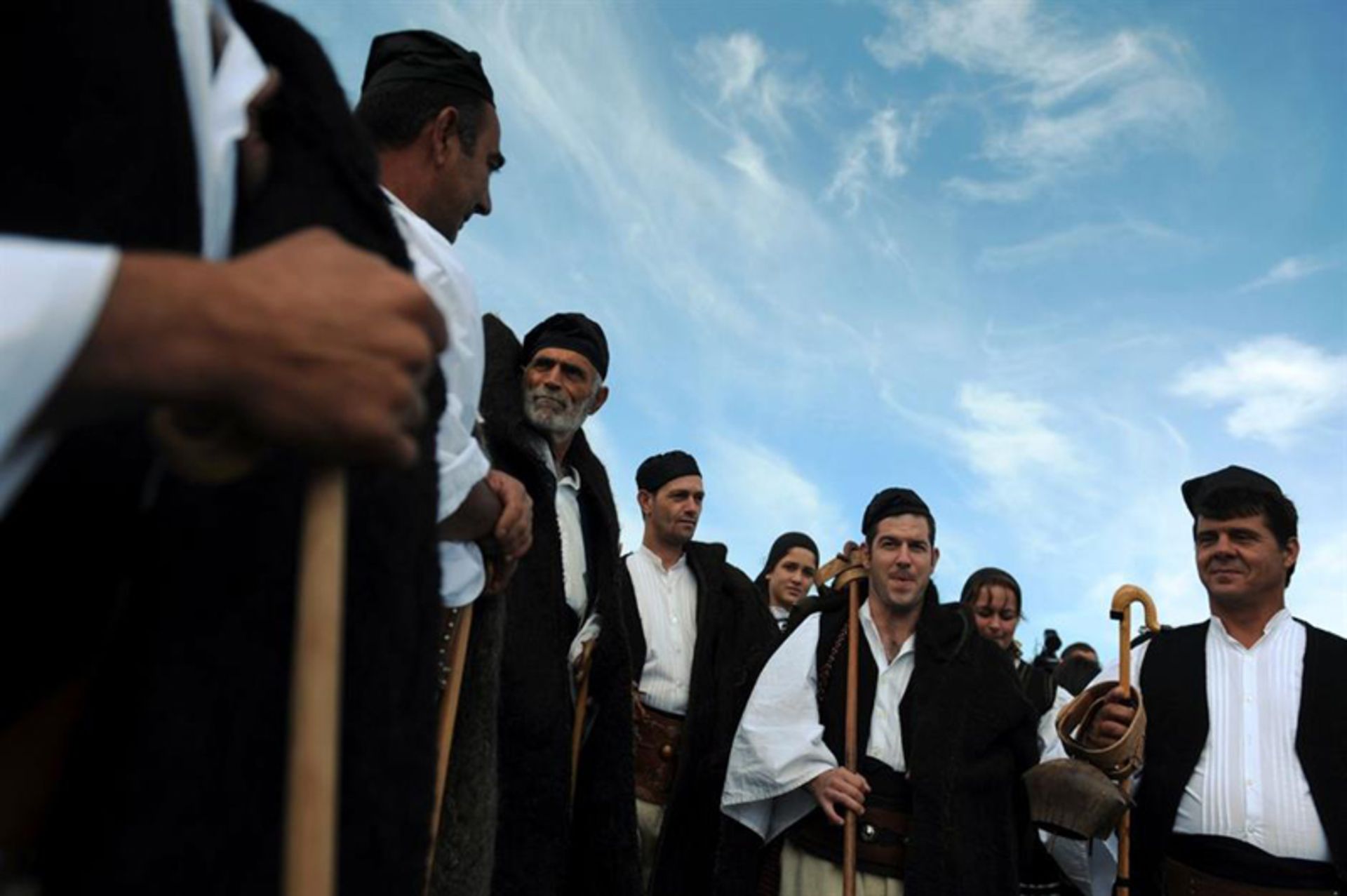
Photographer: NIKOLAY DOYCHINOV / loveexploring
Scandinavian Sami people; Indigenous people of the Pole
The Sami people, indigenous to northern Scandinavia, are scattered in the arctic regions of Norway, Sweden, Finland, and Russia, and have a population of about 80,000. For centuries, they were engaged in reindeer husbandry in the harsh cold of the North Pole and migrated with the herds; But with land confiscation, heavy taxes and cultural assimilation policies of Scandinavian governments, many Sami stopped moving and settled in permanent homes. Today, some of them are engaged in tourism and agriculture; However, cultural discrimination still casts a shadow on their lives.
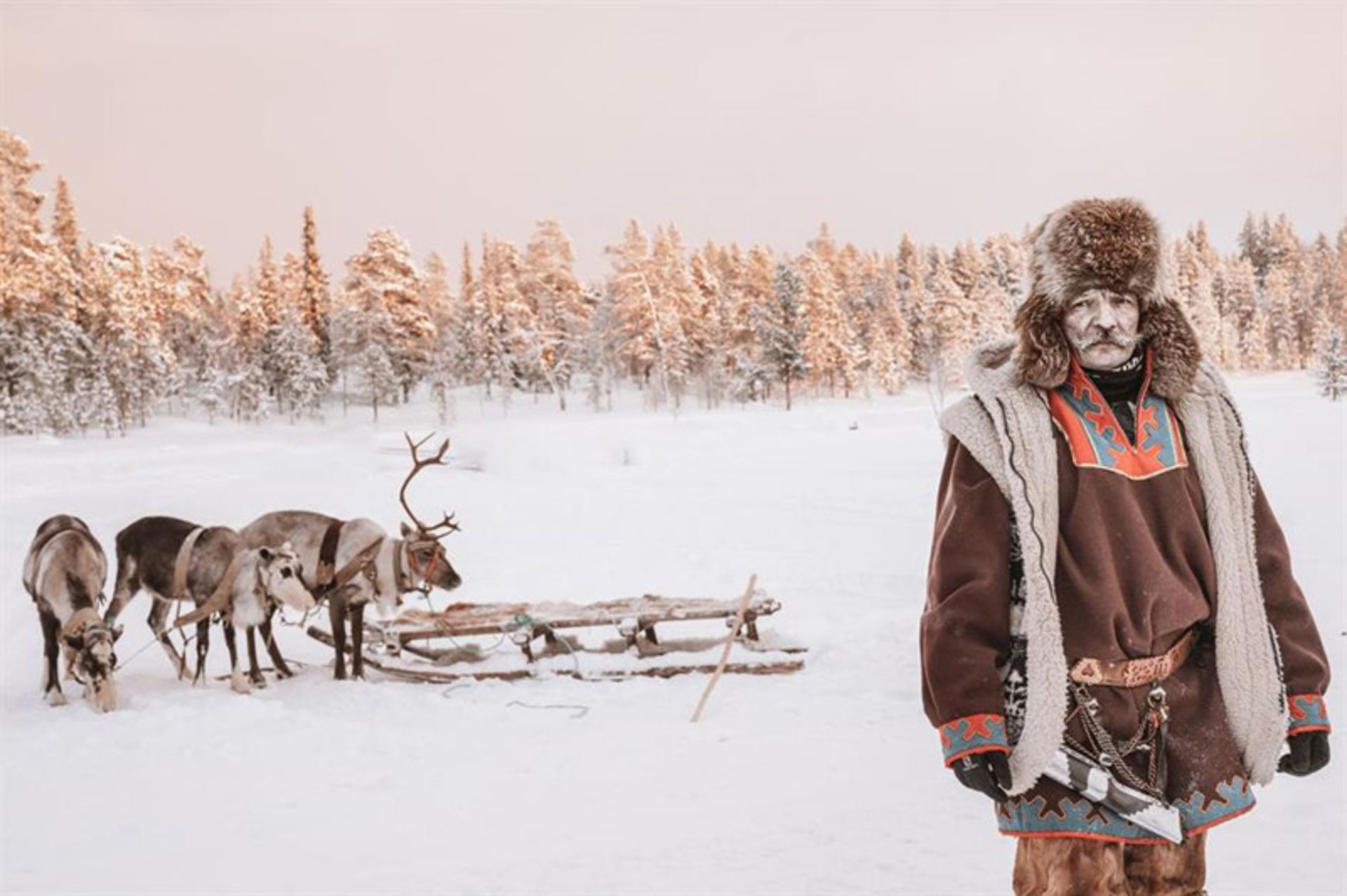
Photographer: shutter_o / loveexploring
Tuareg people of Africa; Legendary desert dwellers
Among the burning sands of the Great African Sahara, the ancient “Tuareg” people have continued to live a nomadic life since the 4th century AD until today. This tribe, with a population of about two million people, once made a living through trade; But with the advent of modern means of transportation and political conflicts, their way of life also changed. Unlike many Arab tribes, among Tuaregs, it is the men who cover their faces. Today, some still continue to herd camels and some are engaged in jobs such as tourism.
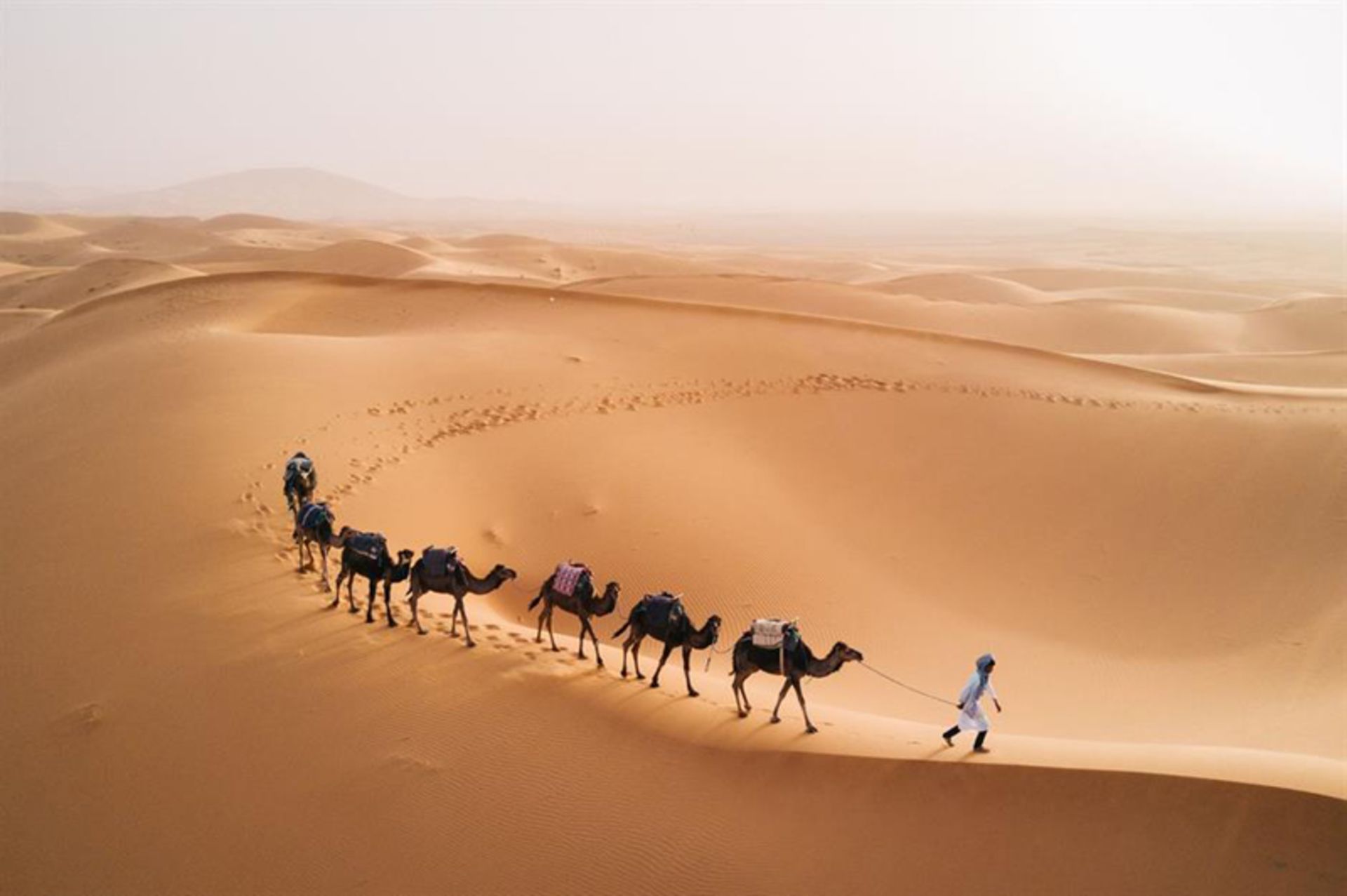
Photographer: MonoRidz / loveexploring
Qashqai tribe of Iran; The ancient people are full of people
The Qashqai tribe live in the heart of the Zagros mountains in the southwest of Iran and migrate throughout the year. A distance that sometimes reaches about 480 km. These nomads faced wars, political pressures and social changes over the centuries; But they kept their traditional structure. Today, the tendency of young people to live in the city has caused many families to maintain a modified form of nomadic life by going back and forth between two fixed houses and bungalows.
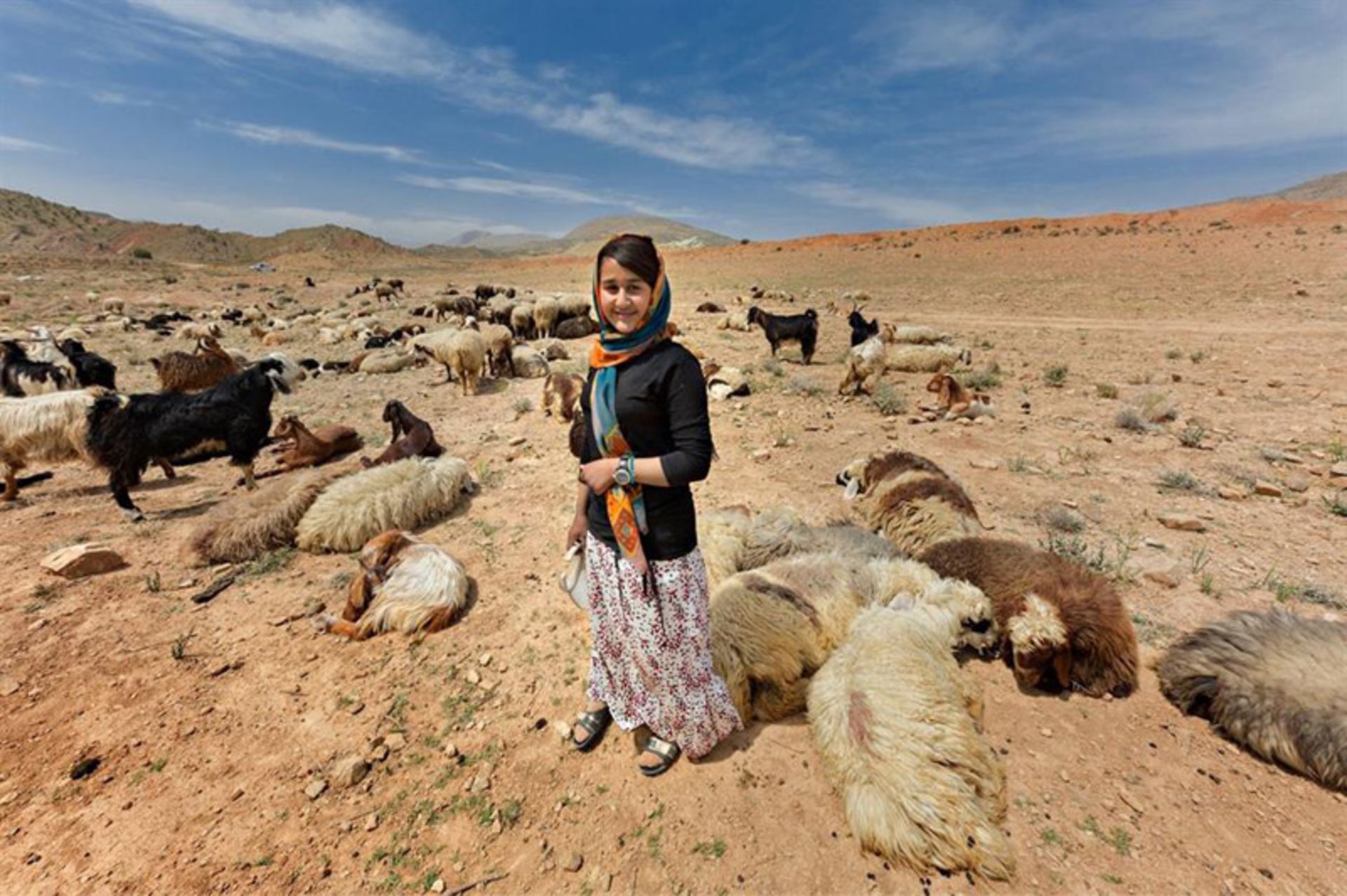
Photographer: MehmetO / loveexploring
Which of these nomadic communities caught your attention more than others? In your opinion, how will the future of this lifestyle in the modern world be determined? Please let Kajaro and its users know your valuable opinion.
Cover photo: Il Qashqaei; Photo source: loveexploring, photographer name: MehmetO

RCO NEWS