

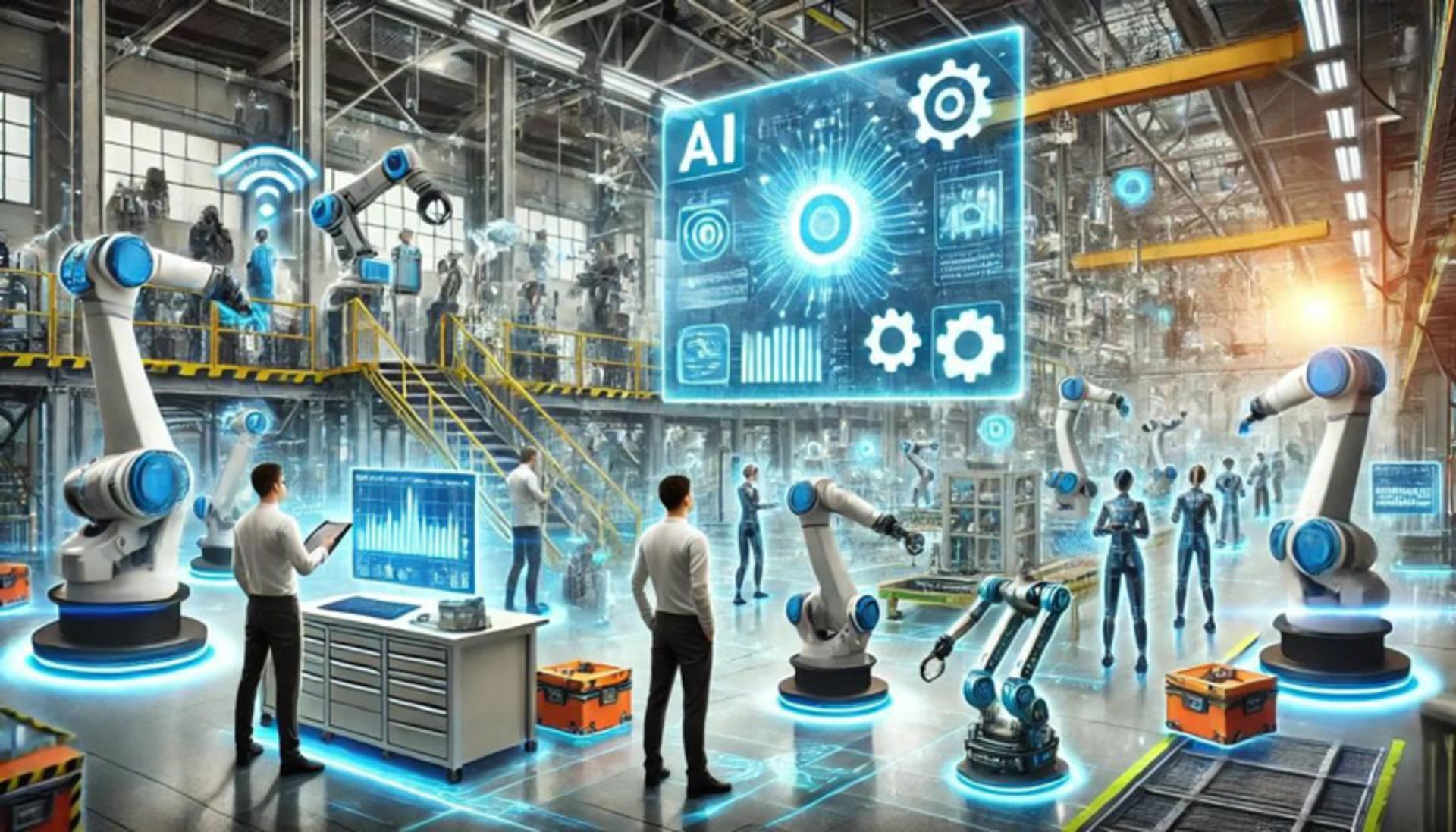
With the progress of artificial intelligence and the increase in people’s use, many people raise this question: “What jobs does artificial intelligence destroy?” Although some believe that the technology is going to replace the entire human workforce at a lower cost, the reality is more complex and a more careful examination is needed to understand the real effects of artificial intelligence on the labor market.
In year 2, Cal Frey and Michael Osburne, a professor at the University of Oxford, published an article in which many jobs were likely to be automated. They predict that in the next 5 to 5 years, nearly 5 % of jobs in the US will be replaced with computer systems. Frey and Osburne also pointed out that jobs with lower skills and lower salaries are more likely to replace a computer.
Ten years later, the arrival of Chat GPT artificial intelligence caught everyone’s attention, and many were worried that the technology would replace humans. But today’s reality shows that artificial intelligence mainly plays the role of a smart assistant for humans and has not yet replaced many jobs, however, predictions show that in the future some jobs will be at greater risk and may replace artificial intelligence.
Artificial intelligence jobs
Jobs that are exposed to artificial intelligence are:
1. Admissions officials
In hotels, restaurants and offices, robots and smart systems, many admission tasks have taken over. These robots can interact with customers, submit requests, and even answer simple questions.
2. Customer Service Representatives
Customer service representatives are gradually changing, especially in response to conventional questions such as order or payment. Many of these things are now done automatically, and only when the subject becomes complicated, the files are referred to manpower.
Artificial intelligence in accounting has made transactions entry, data analysis, and reports easier and faster. These systems work highly and have replaced many duplicate accounting tasks, while humans can focus on strategic analysis.
1. Sellers and marketers
Customer behavior analysis and customized purchase suggestions are no longer the only job of sellers. Artificial intelligence plays a significant role in digital marketing and social media and helps to make advertising more targeted and effective.
1. Taxi drivers and trucks
Car and transportation services such as Uber and Lyft are changing the driving industry. The lack of driver and hard work has made cars an attractive option for companies. Companies such as Waymo and Cruise are the pioneer of the development of this technology.
1. Retail staff
Modern stores such as Amazon Go have automated many processes, including payment and management. Robots like Simbe Robotics and Pepper can check the inventory, track the goods, and even help customers in limited interaction.
1. Surgery assistants
Robots and smart systems are a great help in complex surgeries and pharmacy. They increase the accuracy of the operation and reduce the likelihood of human error, while the physician focuses on vital decisions and action.
Why does artificial intelligence replace some jobs?
The question that arises is why some jobs are more prone to artificial intelligence replacement than others? The main answer lies in the efficiency and analytical capabilities of this technology. Tools such as artificial intelligence of Chat GPT, using natural language processing and deep learning models, can perform a variety of tasks from answering repetitive questions to producing structured reports and data analysis quickly and accurately.
Duplicate and bulky tasks, such as registering information, processing transactions, or responding to customer requests, are usually susceptible to human error and fatigue. In contrast, smart systems can do the same things without stopping, accurately and compatible, without having to rest or focus on constantly.
Even jobs that need analysis and decision making have been affected. For example, macro data analysis, evaluation of market trends, and complicated information processing are subject to change. RAG systems (Retrieval-Augmented Generation) by combining stored data and producing smart responses can provide rapid and accurate analysis that was already human only.
What jobs do not destroy artificial intelligence?
The notion may be that, despite artificial intelligence, no job is safe, but the reality is that many human jobs still need skills and abilities that even the most advanced agent of artificial intelligence cannot fully replace them.
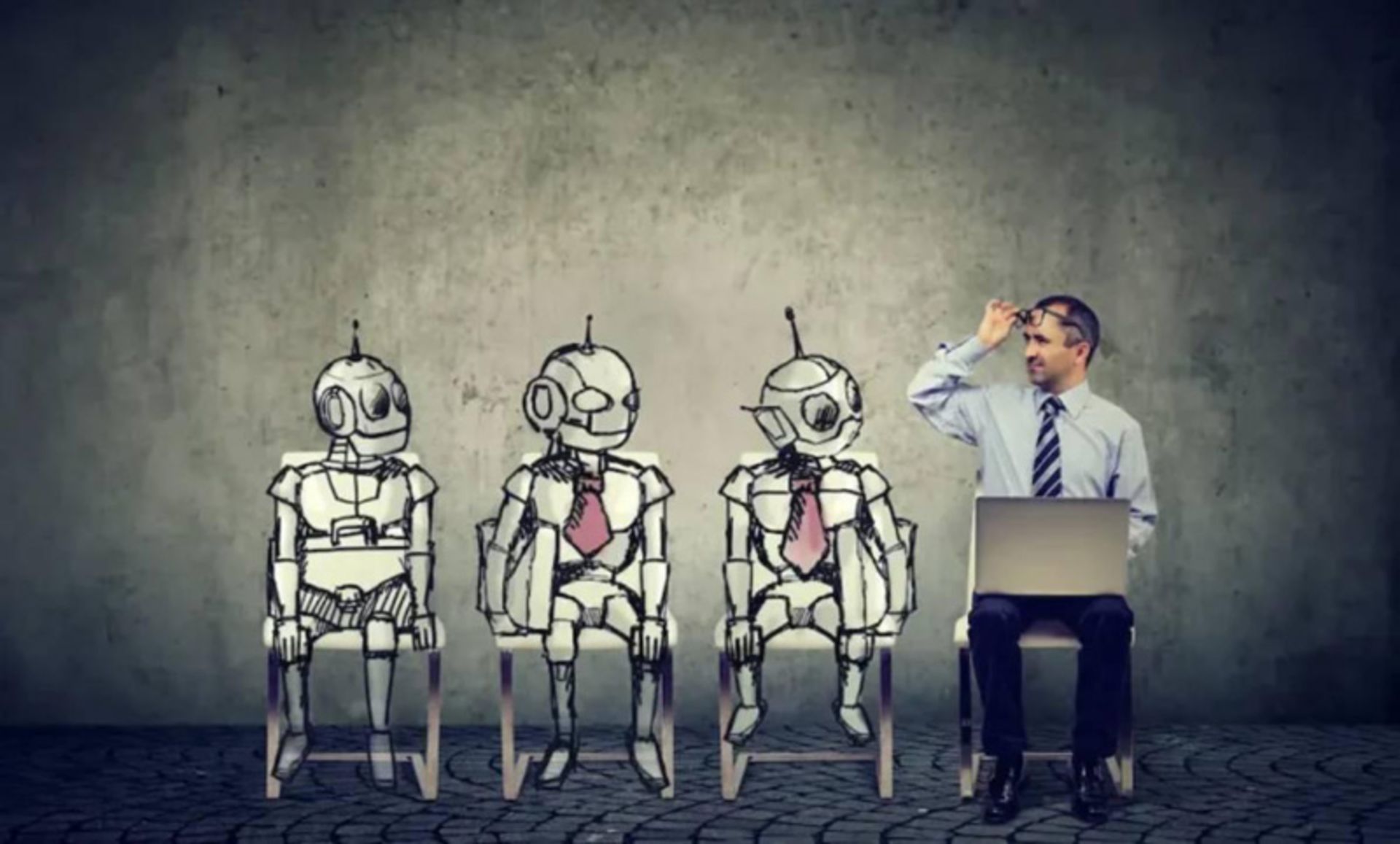
Jobs that include creativity, complex decision making, interdisciplinary skills, or human empathy are more resistant to replacement. As:
- Creative and Artistic Jobs: Design, writing, music, and visual arts require creativity and human perspective, and smart technologies can only facilitate the production of creative ideas as an assistant.
- Strategic Management and Decision Making: In planning projects and long -term decisions, humans use the experience, judgment and skill of position analysis, while the artificial intelligence agent processs and analyzes the data so that human decision -making is more accurate and conscious.
- Service and Care Areas: Psychologists, consultants, and caregivers need human empathy and interaction, and smart technologies can only play the role of information backing or auxiliary tools.
- Research and Development: In science and engineering, creating innovation and solving complex problems requires creative analysis and critical thinking that even the most advanced systems cannot do independently.
Artificial intelligence has dramatically changed the job market. Some jobs that have repetitive tasks, data processing or simple decisions are more likely to replace them, and smart systems can make them faster and more accurate.
However, jobs that require creativity, empathy, complex decision making and strategic thinking are still safe. This shows that artificial intelligence plays more of a smart assistant than a complete replacement for humans. The combination of human abilities with smart technologies can create new opportunities for innovation and growth and shape the future of the labor market.
Finally, the future of jobs is not just a threat but also an opportunity for human and technology cooperation; Where human skills and artificial intelligence together create better performance and real value.

RCO NEWS