

Strip villages, dense forests, adobe houses and simple rural huts are the spaces that cinema and television have often inspired to narrate stories. These locations not only added the visual beauty of films and serials, but also recounted part of the culture, beliefs and daily lives of people in different parts of Iran. It is as if the camera takes the audience from the crowded cities to the winding roads of the villages to feel the smell of rain, the sound of rivers and the originality of indigenous architecture. In this article we are going to introduce you to some of the rural locations of the movies; So join us.
Zagros stone staircases; Laughter
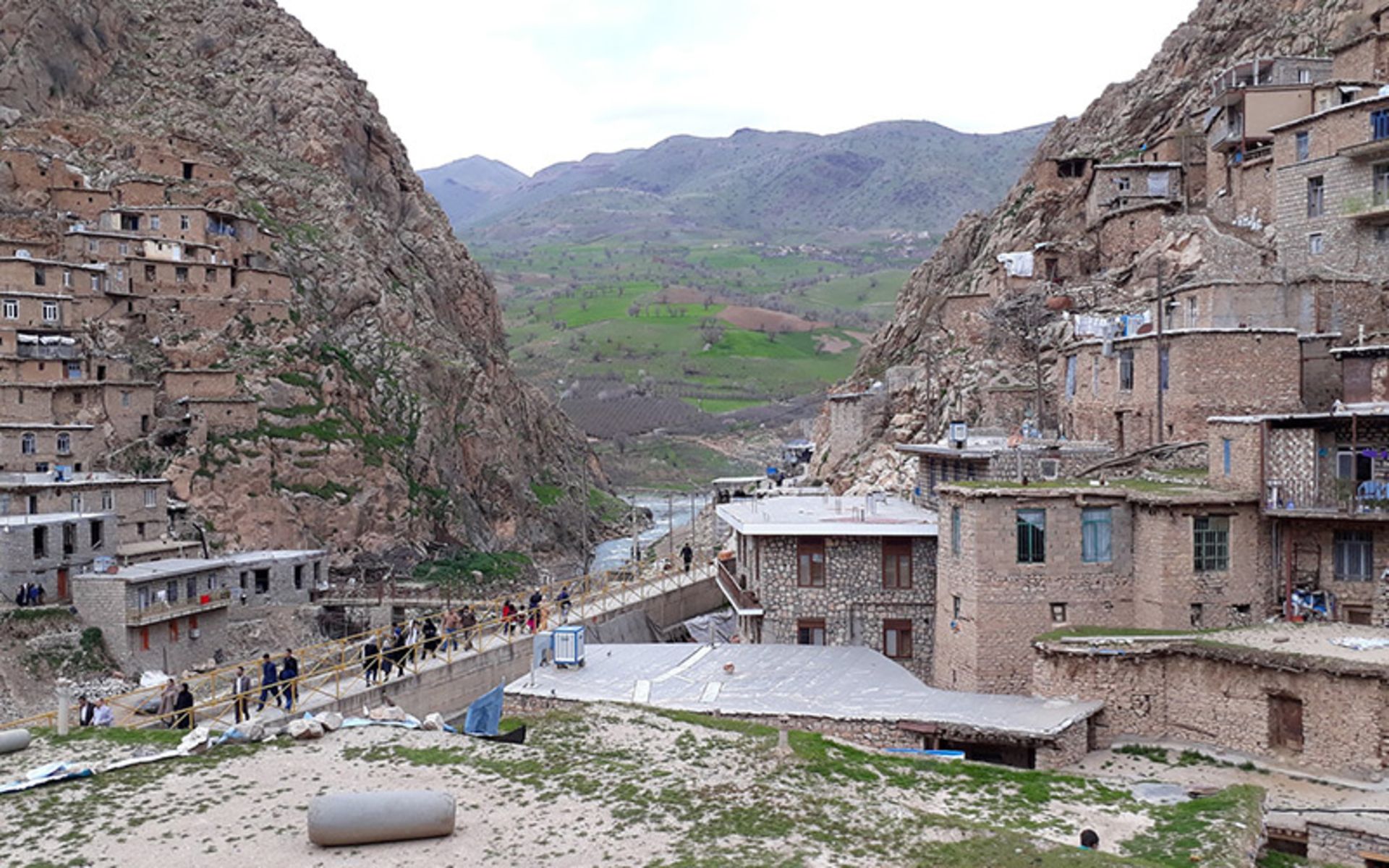
The mountainous villages and the winding roads of “Oramanat” are part of the beautiful tourist attraction of Kurdistan province. Palangan and Hajj, staircase villages with stone architecture, are located in the heart of the Zagros Mountains. The village of Hajij with dry houses and roofs that are the lower neighbor’s courtyard are also reminiscent of Masouleh’s houses. At the bottom of the village of Hajij, the Sirvan River sosts and the Kani Bell waterfall boils the mountain. Tourists travel to the area, if they are not afraid of water, will surely boat in the Sirvan River from their best travel experiences.
Photographer: Kish Mat / Google Map
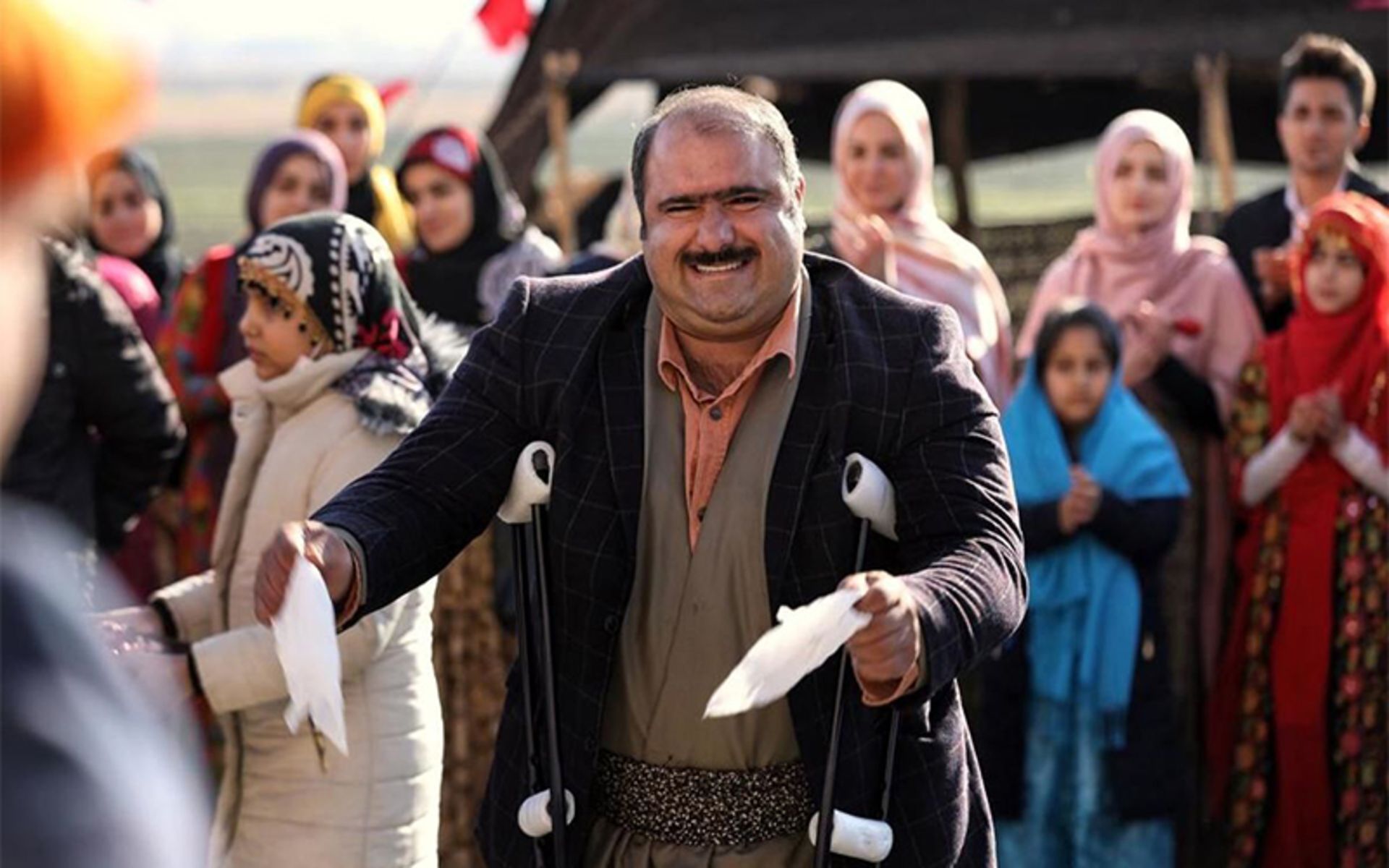
The area is skyrocketed with the mountains and the deep valleys have been so attractive that it is the serial location of the “bread” serial. The series has made Norouz one of the most memorable days for television audiences since year 4. In addition to narrating the daily lives of the Kurds, the Nunn Khi series depicts their challenges after the Kermanshah earthquake, environmental concerns and the value of nature and animal species.
Photographer: Unknown / borna.news
The third season of the Nunn Khi series was shot in the surrounding villages of Tehran, such as Kiga and Sanjarian. Kiga is a village in the “Cann” section in Tehran province. Situated five kilometers from Imamzadeh Davood and hosts tourists and travelers who go to the mountains in spring, summer and autumn; However, the route of commuting in snow winters is difficult.
Jewelry; Location Recreation of the Jungle Movement
The northern cities of Iran are often the first destination for tourists, and Ramsar is one of the most beautiful cities in Mazandaran. The “jewel” is a border between Mazandaran and Gilan known as rivers, waterfalls and forest roads; Where beech and oak trees have created a long, green ceiling, and the confluence of the Safaroud River in the midst of the forest is a constant attraction for travelers.
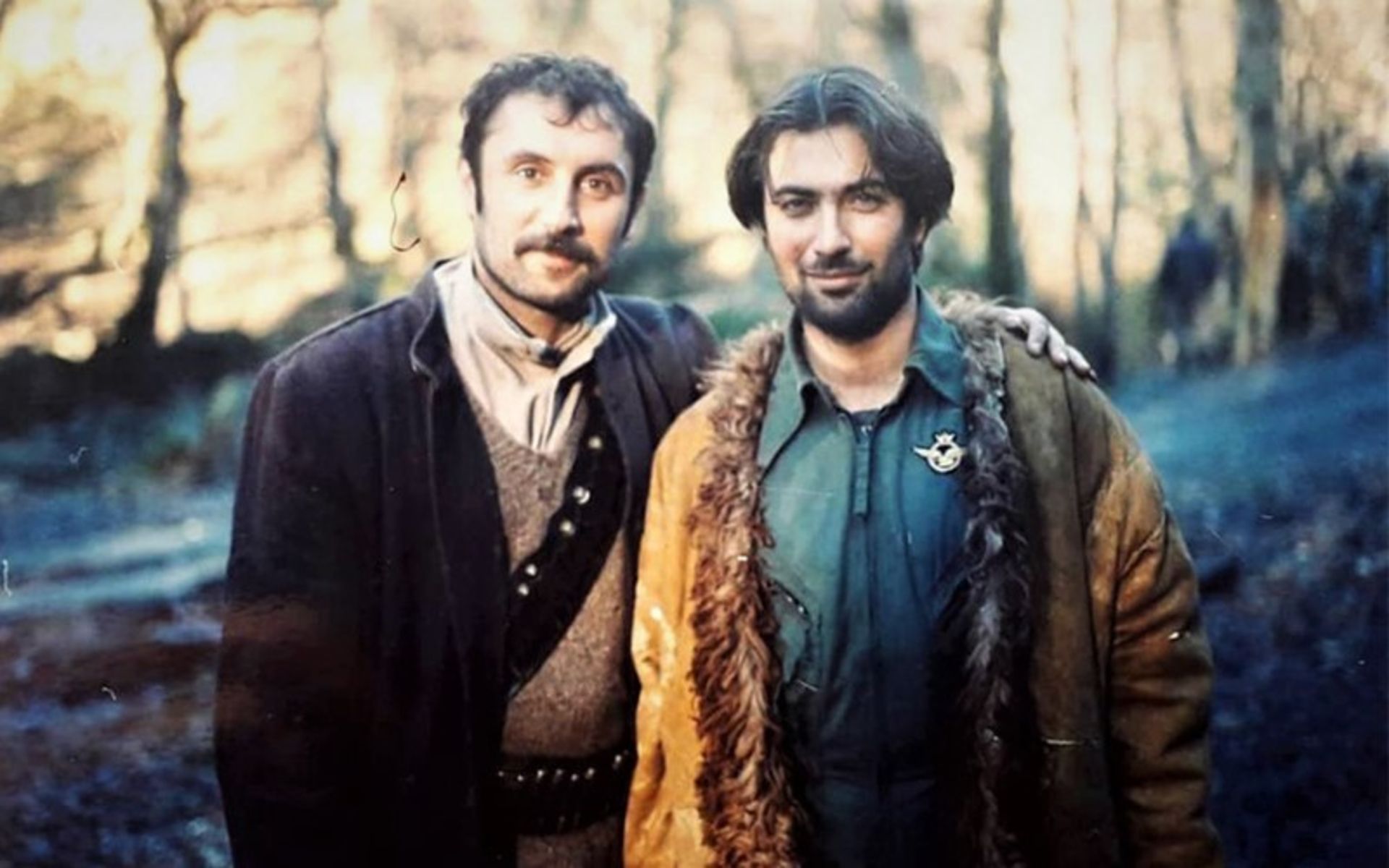
Photographer: Unknown / gilkhabar.ir
The film “In the Eyes of the Wind”, directed by “Massoud Jafari Jozani”, was one of the most important production of a television network filmed in the jewelery and Safarud forests. Scenes of the Jungle Movement and the struggles of Mirza Koch Khan Jungle were taken in this space and brought with them the beautiful scenery of the TV viewer.
The village of Kandelus; The narrator of the Gardens of Kandelus
Kendlus is about 3 kilometers from Noshahr and is part of the Kojour section. To go to Kandelus, you must travel to Chalus via Karaj Road. The presence of high waterfalls such as the Kandelus Falls, the Museum of Medicinal Plants, the Old Khazine Bath which goes back to the Qajar era; Kendlus has created an attractive atmosphere for tourists who both want to experience and pass history, with paved alleys, anthropological museum and ancient stories such as the legend of the enamel and leopard.
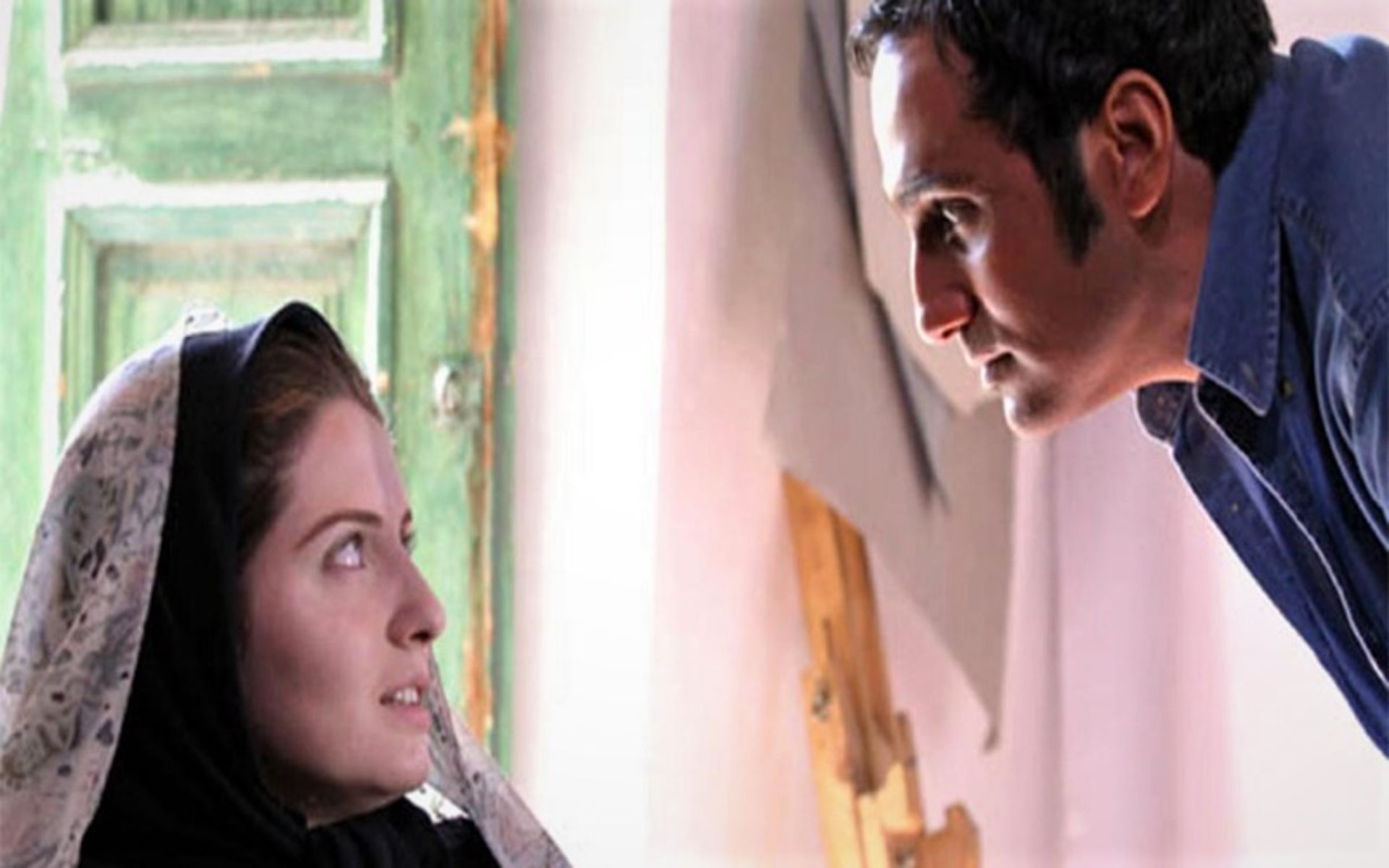
Photographer: Unknown / borna.news
The historic village of Kendlus in Noshahr was the location of the film “Gardens of Kandelus”, produced by Iraj Karimi. Kendlus turned the film into poetic scenes. Rural and road -sized rural houses have given the film a nostalgic combination; The story of three friends who go to Kandelus to find the tomb of their friends on a trip to Kandelus. The rural house of Aban and Kaveh is precisely where many people want to be like this house when they are tired of the bustle and bustle of the city to take refuge.
The plains and hills of Meymeh; Serial frame
Meymeh is one of the cities of Isfahan province located in the northern part of the province and has natural and historical landscapes due to the mountainous position and surrounding plains. In this section there is a aqueduct called Sadr Abad, which refers to the city’s more than 2.5 years old.
The role of the carpet carpets is also well known, and the design is only specific to the area and has its own customers from all over the world.
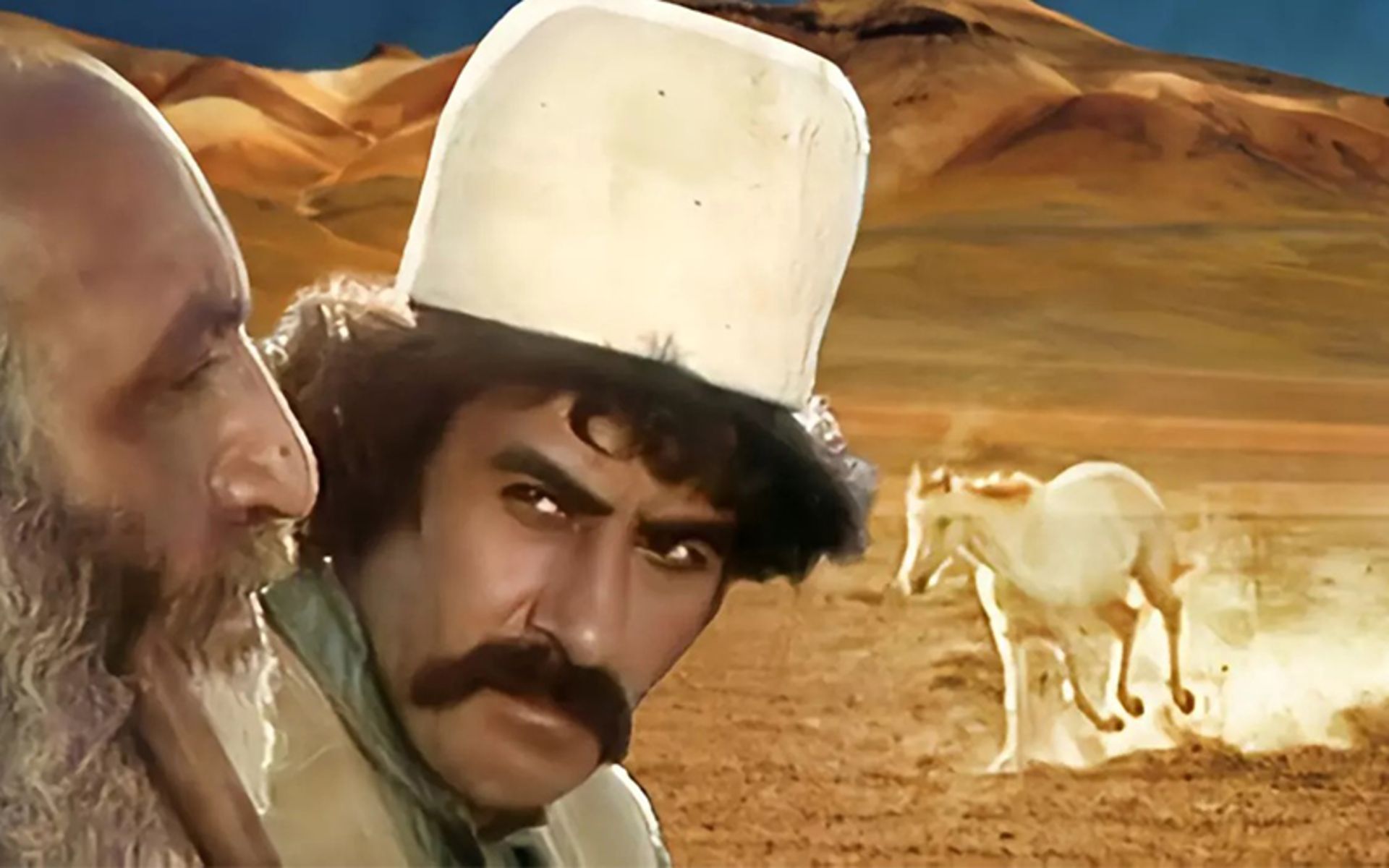
Photographer: Unknown / setare.com
The series “Once Upon a Time” by Amrullah Ahmadjoo, with memorable music by the Kamkars band, is one of the most enduring works of television. The location of this series was selected in the nature of Meymeh in Isfahan province; A city that was well -versed in the narrative of the earthly and a few thousand years old; Amrullah Ahmadjoo is originally from Meymeh, and his knowledge of the area has made the film remembered well with all details such as location, music, stories and games.
In the title of this series, watching a horse that was invading in the plains, along with the passionate music of Kamkars, made an image that still remained in the minds of the audience.
From Siahkal to New Abad; The pristine locations of northern Iran in the service of cinema
Siahkal is one of the cities of Gilan province that is bordering the west of Fouman city, on the north by Rasht city and on the south and east with Lahijan and Langrood. In the autumn season, Dilman’s highs have unique beauties, so tourists travel to this season to see the beauties. The highlands of this area and the color change of Hyrcanian trees draw many photographers to the area. The pristine forests and the pristine nature of Siegel have been used as a location of films and serials.
The film “When Everyone Were” directed and written by Fereydoon Hassanpour and produced by Fereshteh Taerpour, was produced in Gilan province. Parts of the film were filmed in Siahkal and other parts of the village of Noababad, the functions of the city of Rezvan Shahr. The combination of the pristine atmosphere of northern Iran, human narrative and powerful games have made a lasting work.
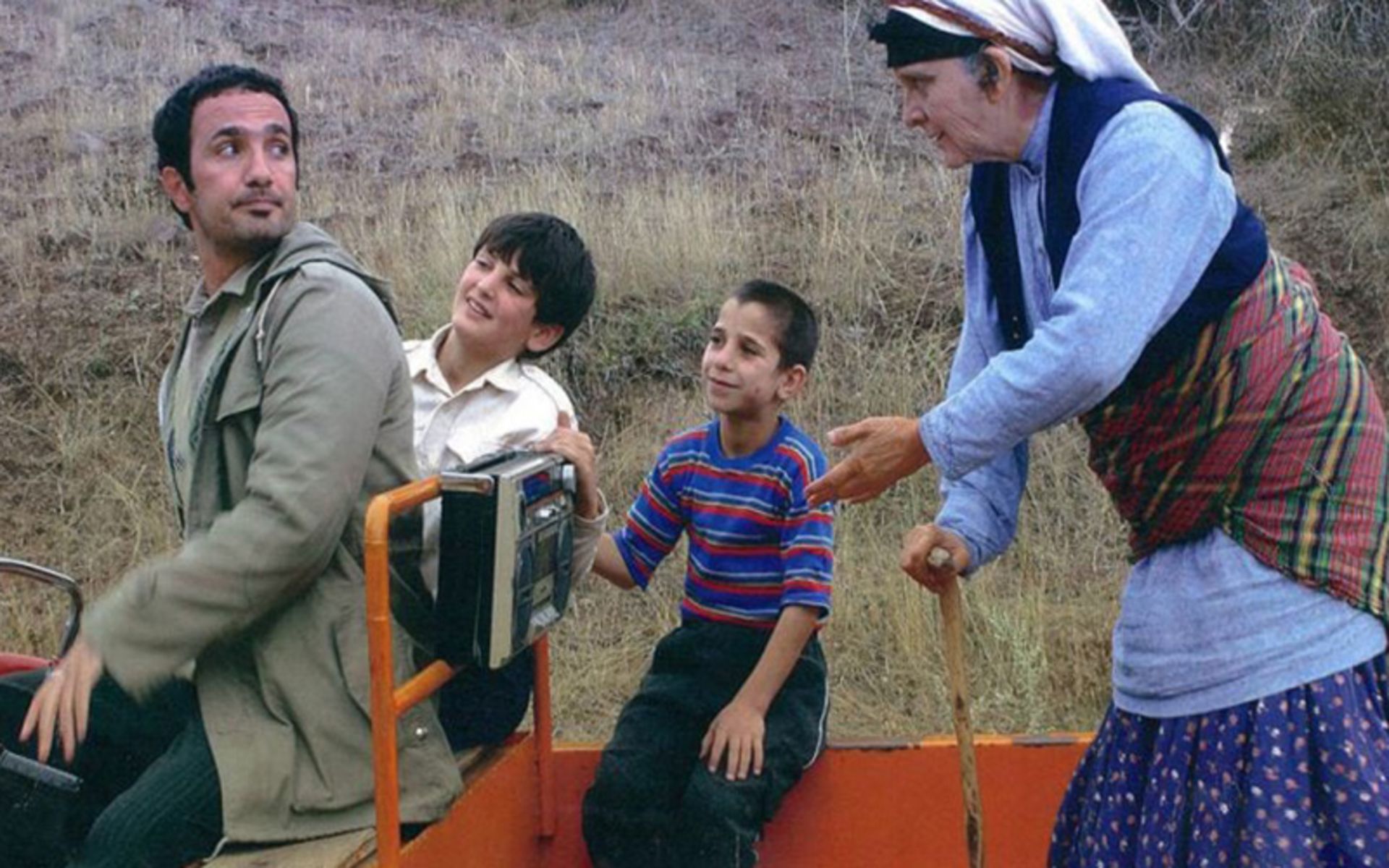
Photographer: Unknown / khoobo.com
From the staircase of Kurdistan to the rainforests of Gilan and Mazandaran to the vast plains of Isfahan, each formed the context of the stories, but narrates part of the Iranian cultural identity and collective memory. Locations in cinema and television are only as a background, but also as an element and place that play a key role in the formation of the narrative and story of the films. Which movie and series did you like? Be sure to share your opinion with Kajaro’s companions.
Cover Photo Source: Donya-e-eqtesad.com, Photographer: Unknown (Time Serial Once Upon a Time)

RCO NEWS