September 5, Iran’s sky will see a complete eclipse after seven years. A fascinating astronomical phenomenon that will be visible nationwide after years. Kazem Kokarm, spokesman for the Iranian Astronomical Association, tells Kajaro on how to see the phenomenon of the eclipse of September.
To watch the eclipse with an unarmed eye you don’t need to go to a particular location; This eclipse is well seen not only in Iran and Asia, but also in Oceania and many parts of Africa and Eastern Europe; So it is not limited to Iran, and a large part of the people of the earth can see this event.
The eclipse of all parts of Iran is visible in the sky, and Kokram says about the conditions of watching this astronomical phenomenon:
In any part of the country, if the moon is visible in the sky and the eastern horizon is open, you can see this phenomenon. The East Horizon is the same as the sun rises; So it is enough to open up in front of you in the east and do not prevent your mountain, tree or building so you can see the eclipse.
Watching the eclipse in Tehran
Although the city of Tehran has a lot of light pollution, the night sky will also host this astronomical phenomenon on September 5. Kazem Kokarm, spokesman for the Iranian Astronomical Association Committee, says about which parts of Tehran is best for watching the eclipse.
To observe the moon, we need to go to places without light pollution; So unlike the stars observation, you do not need to leave the city to observe the moon. Wherever you are, if the moon is seen in the sky and when it enters the shade and turns red, you will see this color change.
The astronomical lecturer says about where the people of Tehran can see this monthly eclipse:
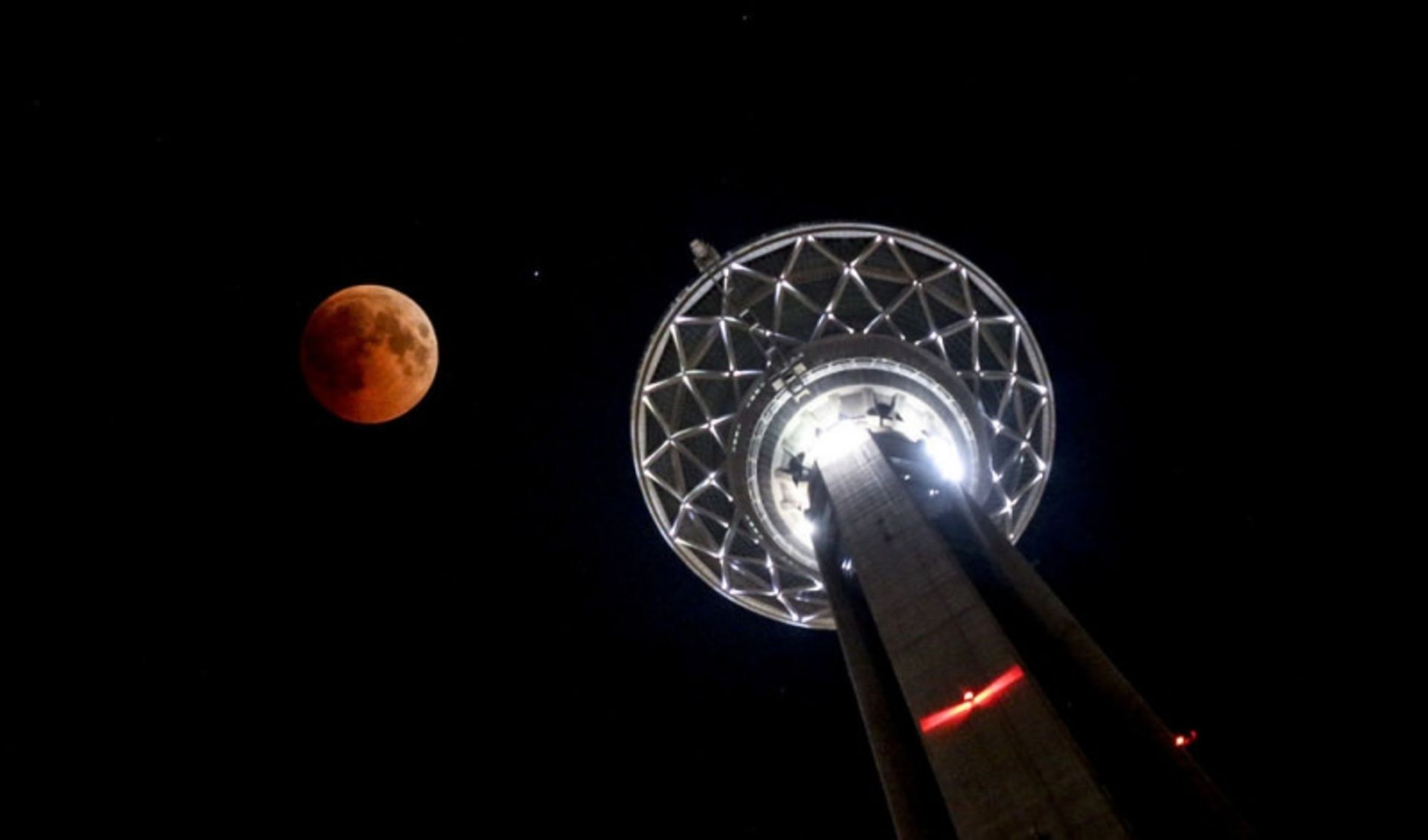
In Tehran, those interested in observing the telescope can visit its water park. The Skyscraper of the Mina Dome in the park deploys several telescopes on the Nature Bridge and, in collaboration with amateur astronomers in Tehran, has provided visitors with the opportunity to watch this event. In these places, it is possible to see the moon with a telescope or powerful binoculars. Of course, the roof of Tehran and other places where the horizon and the darker sky are also suitable for observing the sky.
The difference between observation in the heart of the city to the dark sky of the desert
At the same time as the eclipse of astronomical tours for different destinations of the country, there is planned to watch this phenomenon. Asked if the eclipse should be removed from the light pollution of cities to observe, Cocarm says:
If you leave the city, at the height of the eclipse you can see the starry sky. After the eclipse we will see the gradual return of the moon’s brightness and the stars. This stars can be seen on the occasion of the stars. Many of the astronomical tours and programs that take people out of town are held to watch this trip.
The experience of observing tours during the moon will be one of the different travel experiences for those interested in the night sky. A spokesman for the Amateur Committee of the Iranian Astronomical Association said about the difference between watching the moon climbing outside the city and inside the city:
The difference between monitoring in the city and outside the city is remarkable. Before the start of the moon, on the 14th night of the lunar month, the sky is moonlight and the stars are hard to see; But as the eclipse progresses, the moon’s pill becomes darker and the stars become one. If you go to light -contaminated areas at the peak of the lunar, the milky stripe will be revealed in the sky, and the moon is seen in the form of an orange pitch among the masses of stars; But if we are in cities contaminated with artificial lights, there is no milking tape.
Kokaram also says about the committee’s observation program for the monthly observation of the month.
The Amateur Committee of the Iranian Astronomical Association has no plans to watch the eclipse; But astronomy groups and associations across the country have planned for the event, and those interested can go to the astronomical centers of their city.
Safety Tips and General Considerations in Sky Observation
A spokesman for the Amateur Committee of the Iranian Astronomical Association also says of the considerations that observers need to observe this astronomical phenomenon:
However, these considerations are more general; But first you have to go to the safe place. It is best not to be close to military centers or sensitive places, and if shooting in areas where there is a probability of sensitivity, the necessary coordination with law enforcement and security agencies should be done. We should also avoid attending high -risk places such as the edge of the cliffs or highlands; Because wind or carelessness can cause a bitter event.
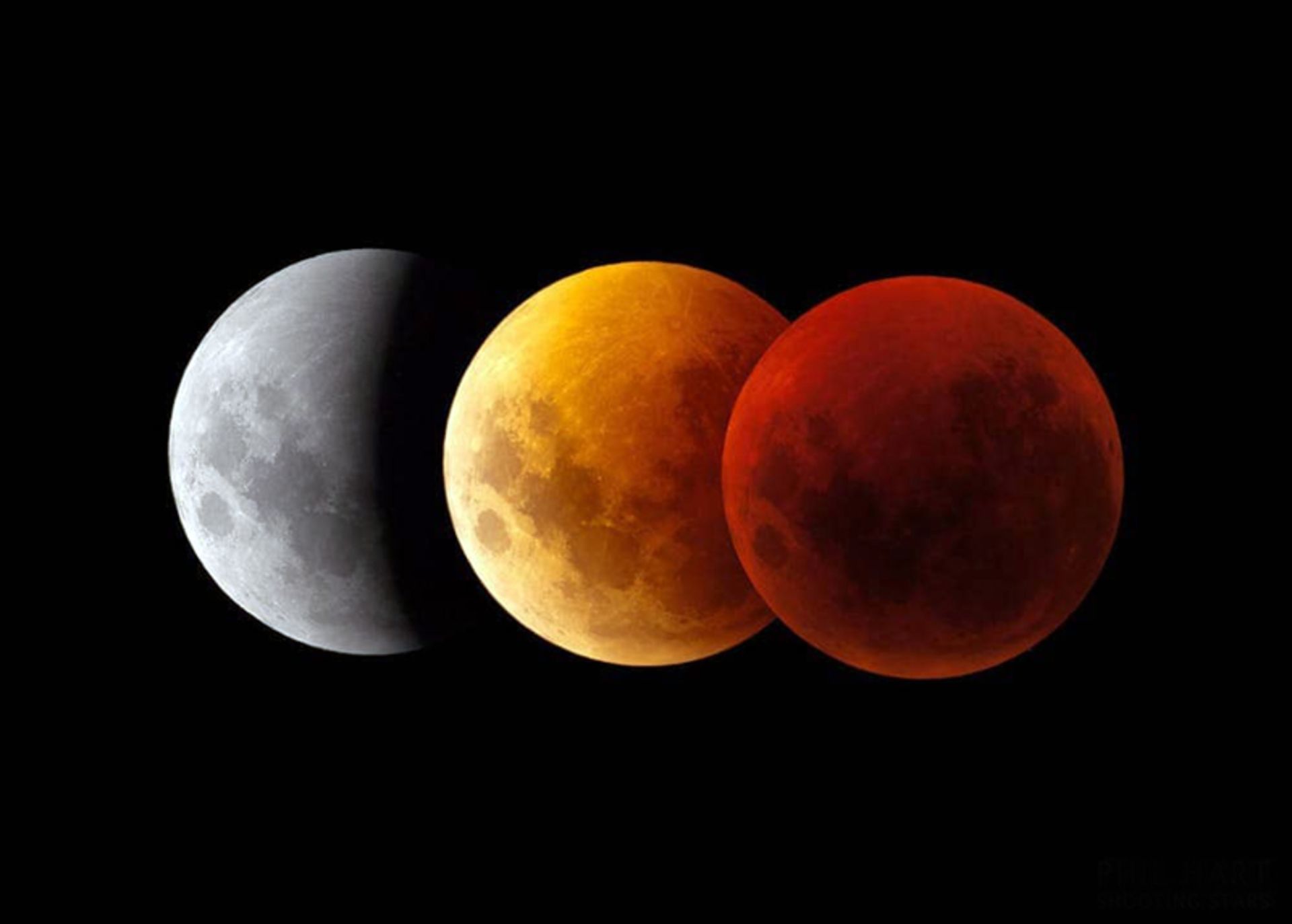
The bloody moon; A noisy term on social networks
These days, the term bloody moon is used in social media and the media. This astronomical event has also strengthened old and unscientific beliefs, as well as the 6 -day war inflammation and news these days are not ineffective. In the past that there was no precise science to explain this phenomenon and scientific information was not transmitted to the people, people saw the sudden change of the color of the moon as a sinister sign and interpreted natural phenomena in the superstitious language. In many civilizations, the eclipse is interpreted in the struggle of heavenly forces with the moon; In ancient myths, for example, they thought the dragon or the demonic creature was swallowing the moon. In some other cultures, the red color was interpreted as blood and war, which made it a sign of death or misery.
Kokaram said about the term “bloody lunar eclipse” these days for this monthly eclipse:
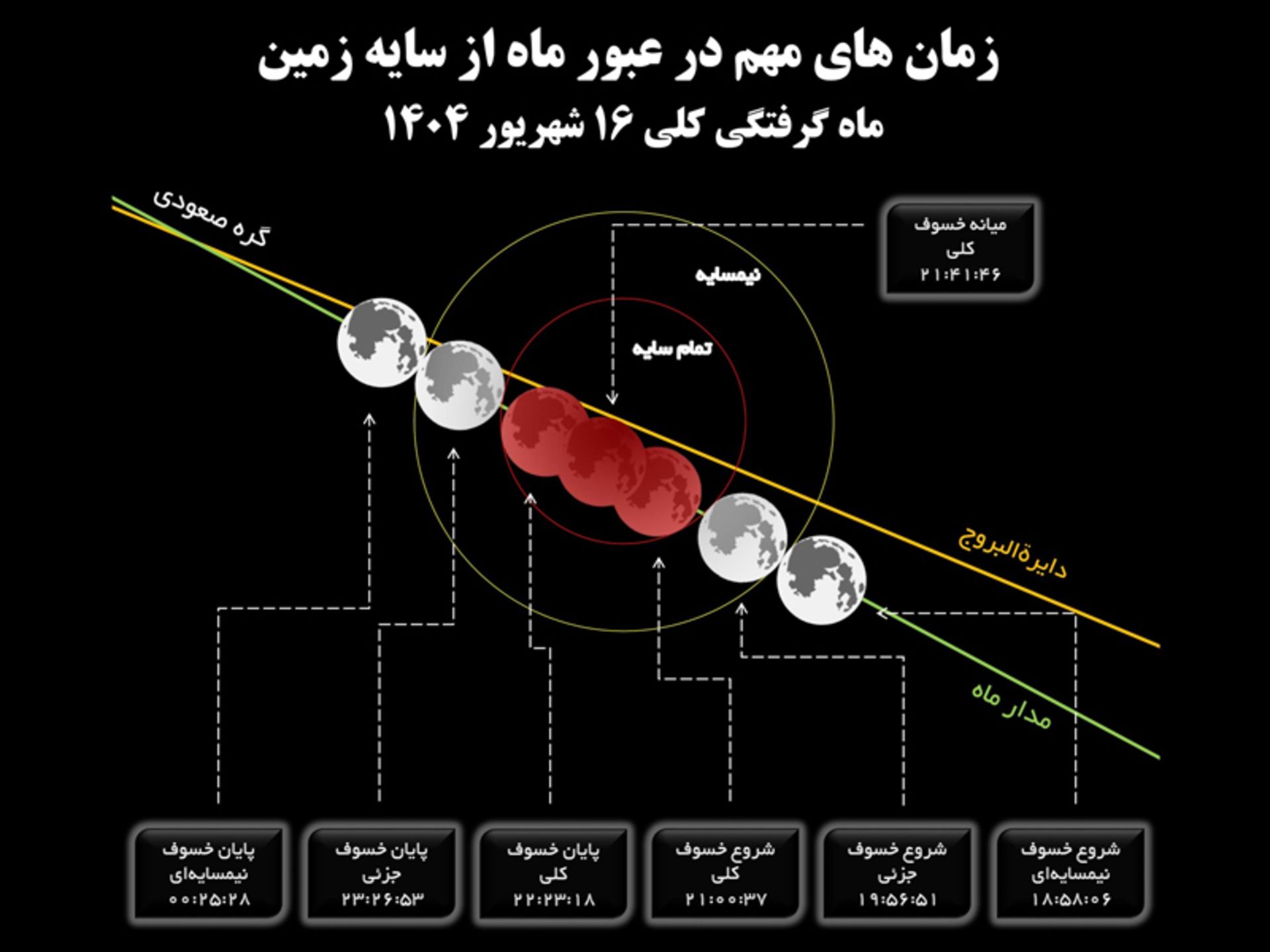
The fact is that during the eclipse, the color of the moon naturally becomes orange or red due to the spreading of the white light spectrum of sunlight at the end of the Earth’s shadow in space; But the “bloody” trait is a misleading term and a new heresy that created Instagram pages; The word looks attractive; But using it makes many people think they are facing a different or unusual phenomenon, while the progressive moonlight is no different.
Shorter lunage but more news
The Iranian sky will host the eclipse on September 5 after seven years. Referring to the last eclipse in Iran, Kokram explained:
The last perfect eclipse in Iran dates back to August 5, which lasted about 2 minutes; But the month of September 16th takes about 5 minutes and is even shorter; However, due to the widespread influence of social networks, rumors and non -scientific claims are more common.
Cocarm says about the difference between this eclipse and similar astronomical events:
Scientifically, this event does not have a distinctive and distinct characteristic; The only point is that after seven years of Iran, a general eclipse will be visible again. In fact, depending on the moon’s position in its orbit by the Earth and the place of the Earth in the sun’s orbit, sometimes a few consecutive years may not be seen from a country of eclipse; However, this phenomenon occurs elsewhere. The same conditions made the Iranians unable to see the eclipse for the past seven years.
January 1; The next meeting of Iranians with full moonlight
The next eclipse of the night sky will occur in March this year, which will not be well visible from the Iranian sky. Cocite says about the next eclipse that can be viewed in Iran:
On March 12 this year, another general eclipse occurs, though only a limited part of eastern Iran will be able to view it. The next general eclipse that is fully visible from all over Iran occurs on January 11th; That is, about three years and three months we will see a phenomenon similar to this eclipse in the country.
Cover Photo Source: Getty Images / Photographer: Anantha Jois

RCO NEWS