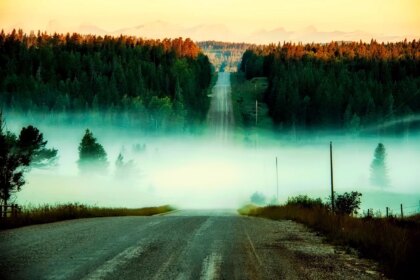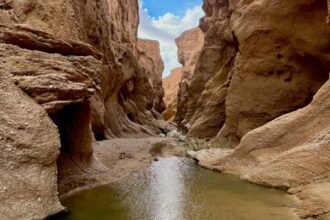


Atacama Desert in northern Chile is one of the driest and most unique parts of the earth. The desert has expanded more than 5 kilometers along the Pacific coast in the United States. Parts of this desert because of the special climatic conditions, not even a drop of rain; This feature has made Atacama the driest point on earth and an exceptional place for research. Join us to discover this natural surprise (howstuffworks).
Geography of Atacama Desert
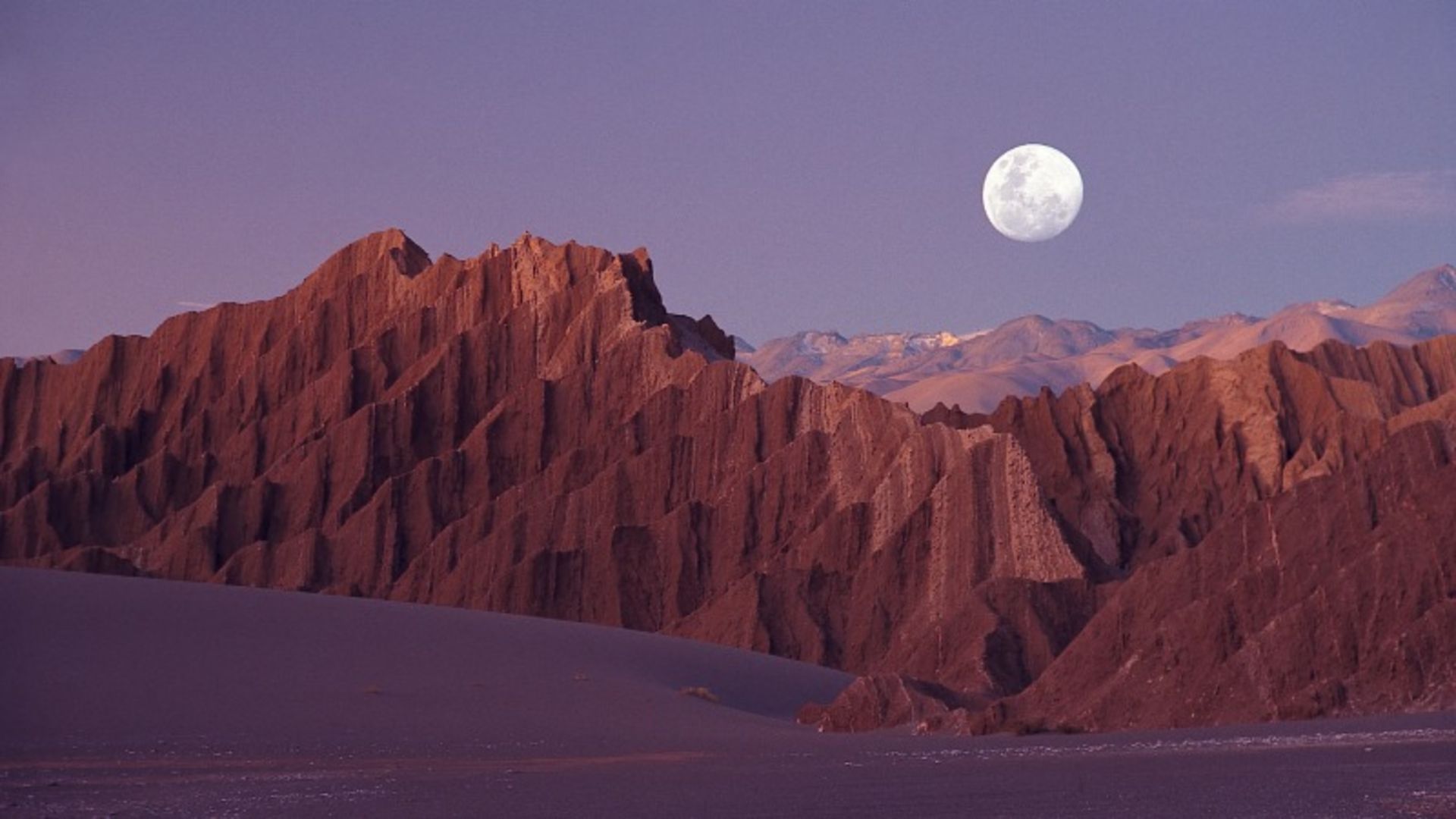
The Atacama desert is located between the Pacific Ocean in the West and the Andes Mountains in the East. The northern border of this desert reaches the south of Peru. Its southern border continues until Antofagasta Port in Chile. The desert includes the Atacama Salt Flat, the Pampa del Tamarugal, and two important arid valleys called the Valle de La Luna and the Valle de Cercete. The Mars Valley is also known as the “Valley of Death”. It is interesting to know that Atacama is similar to Mars in terms of climate and geology. The surface of this desert is dry and covered with sand and rock and has little vegetation.
Photographer: Unknown / cntraveler.com
Atacama desert climate
The Atacama desert is famous for its unprecedented land. The combination of the Pacific air flow with the warm desert air captures the humidity of the air and causes the region to dry. The high altitude of the anodes and the “downstream winds” also prevent moisture from entering the area. Some parts of Atacama have not seen rain for centuries. However, in this area the temperature is not always too high; For example, the average air temperature in the summer in the city of Antofagasta is about 2 degrees Celsius. On the coast of the Atacama desert, along the Pacific Ocean, the “Camanchaca” provides a little moisture for the herbal and animal life of this desert.
Photographer: Unknown / Travlinmad.com site
Atacama desert vegetation and animal
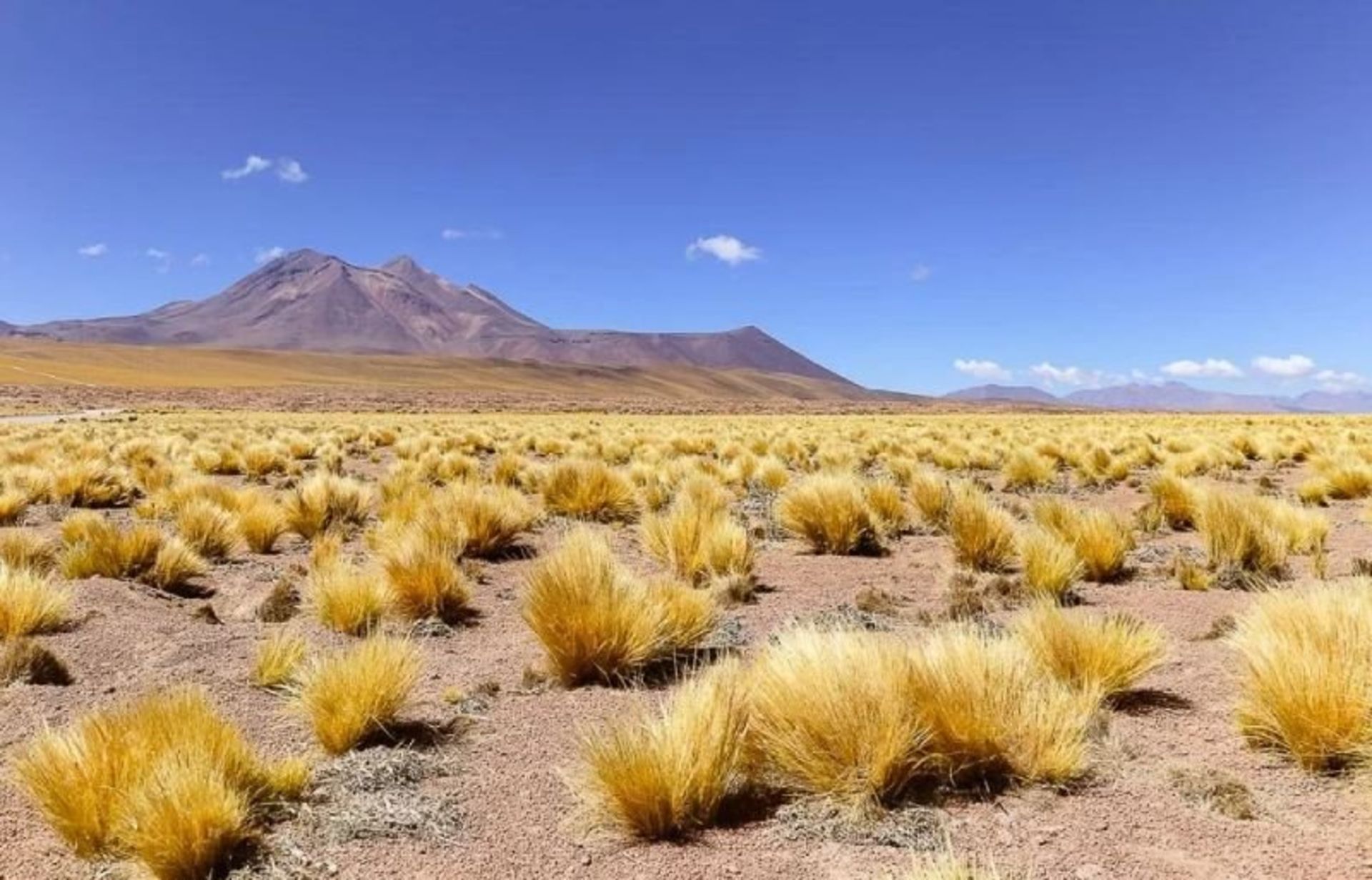
The Atacama desert, despite the harsh conditions, hosts a variety of species of plants and animals. There are beaches and valleys, cactus, meat plants, flowers and medicinal plants that are adapted to the dry environment. These plants play a key role in providing favorable conditions for living and providing desert animals, including foxes, birds, rodents and reptiles. In the southern part of the desert is the Salt Dashti Dashti (Salar de Atacama); Where unique microorganisms live in saline waters. These microorganisms are the food source of flamingos that come to the Atacama Salt Plain in the summer and give them a fresh color to the dry landscape of the area.
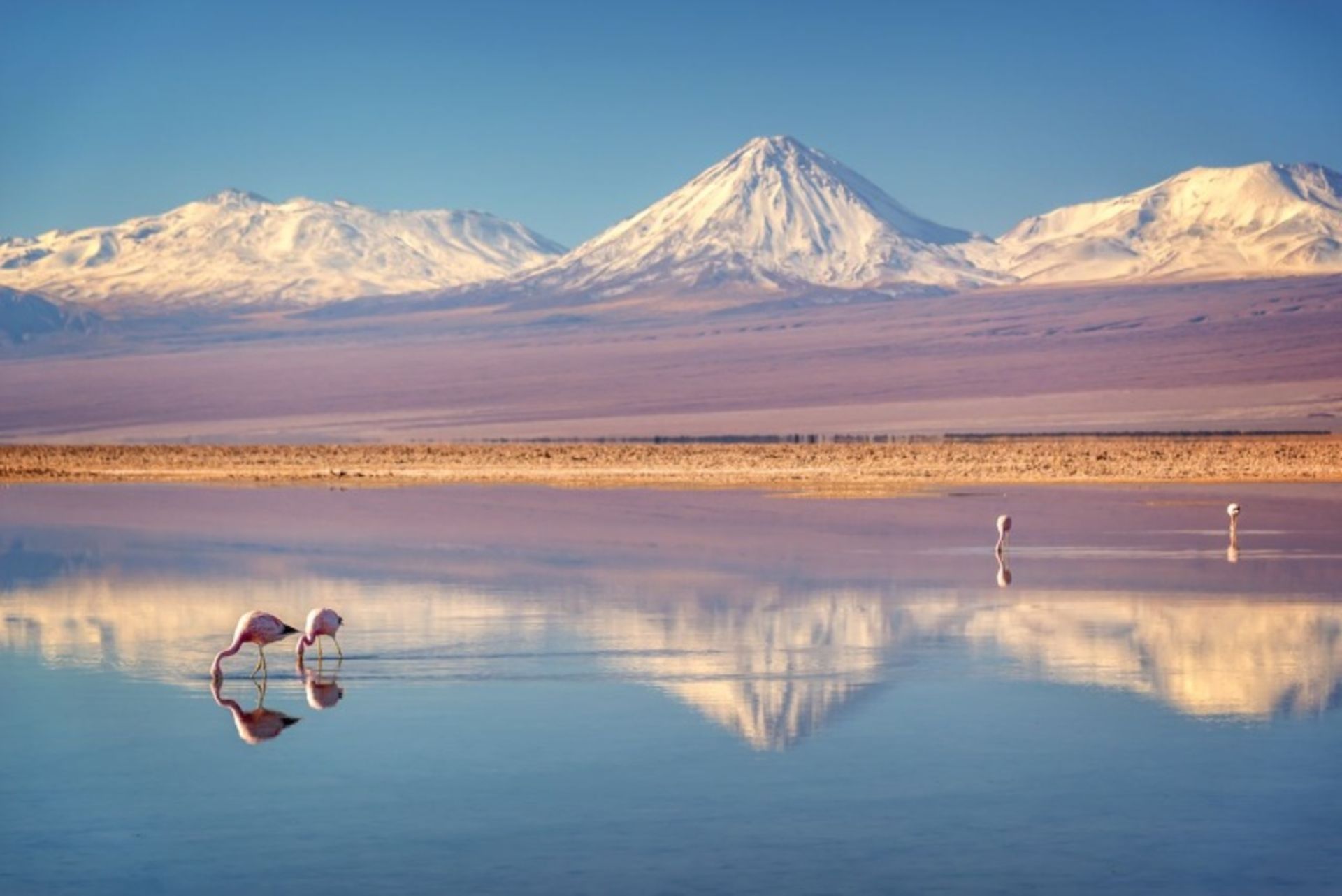
Photographer: Unknown / Matadornetwork.com
The impact of human activities on the desert of Atacama
The Atacama Desert has a population of more than a million people despite the harsh conditions. In the nineteenth and early twentieth centuries, the rich nitrate reserves of this area were extremely extracted; Although this was the economic prosperity of the area, it caused destruction in the environment; This also led to the conflict between Chile and Bolivia, competing for the area’s natural resources. Today, Atacama is an important destination for scientists and researchers around the world because of its unique conditions, and this desert is a great place to observe the sky; Because it lacks light pollution and rain.
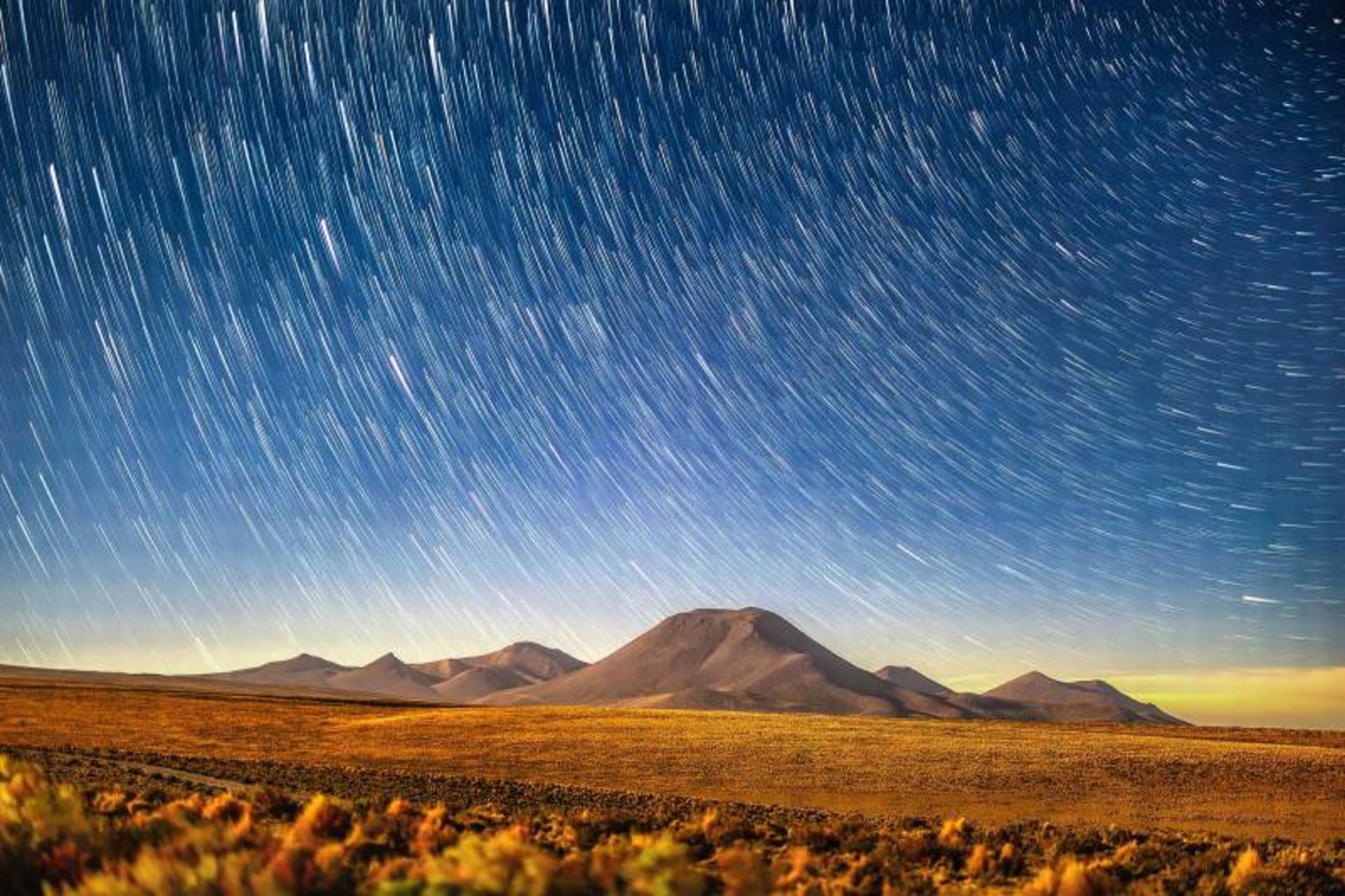
Photographer: Unknown / FlashpackerConnect.com
What do you think about the Atacama desert? Do you want to experience traveling to this area and enjoy watching its beauty like the night sky? We are happy to share your comments with us and the companions of Kajaru.
Cover Photo Source: NationalgeGraphic.com; Photographer: Giulio Ercolani (Month Valley; Atacama Desert)

RCO NEWS