

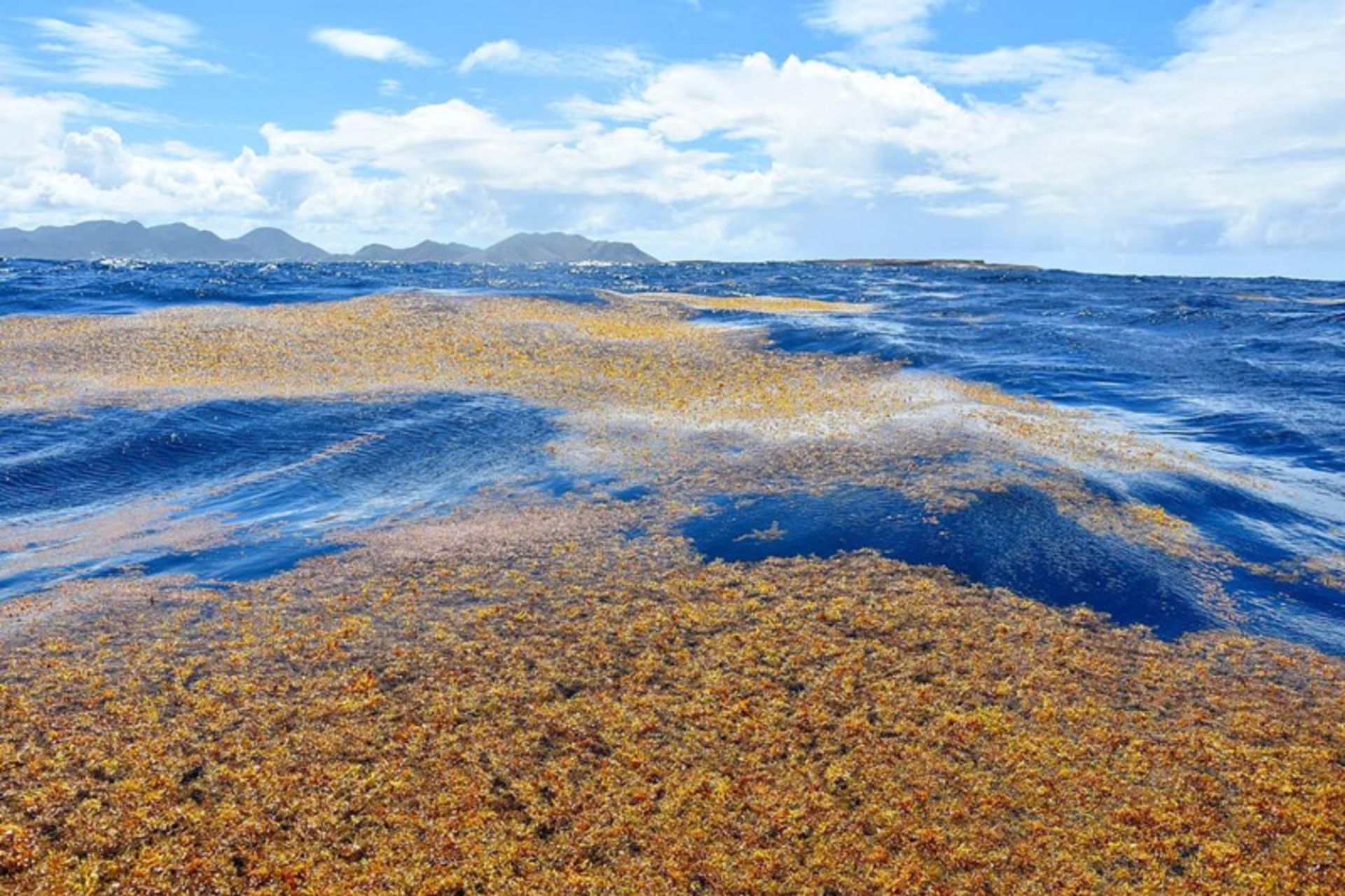
The Atlantic Ocean has hidden the Razi in itself; A quiet area of water surrounded by high -speed sea currents, about 2 kilometers east of Florida; But it never comes in contact with dryness. This area is known as the Sargasso Sea. Seaires describe sea -level as a brown or golden algae called sargassum that is buried on the water and moved with mild waves. Among these algae is the life of shrimp, fish, Chinese white crabs and even red turtles. Due to this marine life, scientists call the Sargasu Sea floating masses, with a width of 2 kilometers, “habitat islands”. In the following, we will learn more about this amazing and ruthless sea. (Earth)
Sargaso Sea, unique climatic engine
Long -term observations show that the surface relaxation of the Sargaso Sea has great hidden activities. In the summer, the water level reaches about 2 to 5 degrees Celsius and decreases to 2 ° C in winter. These seasonal changes cause water displacement; Salt water is pushed to the north and cooler water returns to the south; A cycle that stabilizes climate patterns on both sides of the Atlantic. These waters also absorb carbon dioxide and store in the plankton shell, which eventually falls into the ocean floor.
Photographer: Unknown / Earthly Mission
Nicholas Bates, a chemical oceanologist at the Bermuda Oceanic Institute, warned after two years of sampling and discovering the amount of heat absorption by the Sargaso Sea:
The ocean is now experiencing its hottest state for millions of years, and this process can determine where to rain and where not!
Human Threats of the Sargaso Sea
Famous French writer Jules Verne called the Sargaso Sea a complete lake in the heart of the Atlantic Ocean; But today, the lake collects the waste of four large marine flows in the earth, which includes the northern atlas, canary, northern tropics, and Anteile. The Sargaso Sea, like a huge well, draws plastic bags, bottles, and drunk fishing tools with a rotating flow. Estimates show that about 2.5 pieces of waste per square kilometer, which extends hundreds of kilometers.
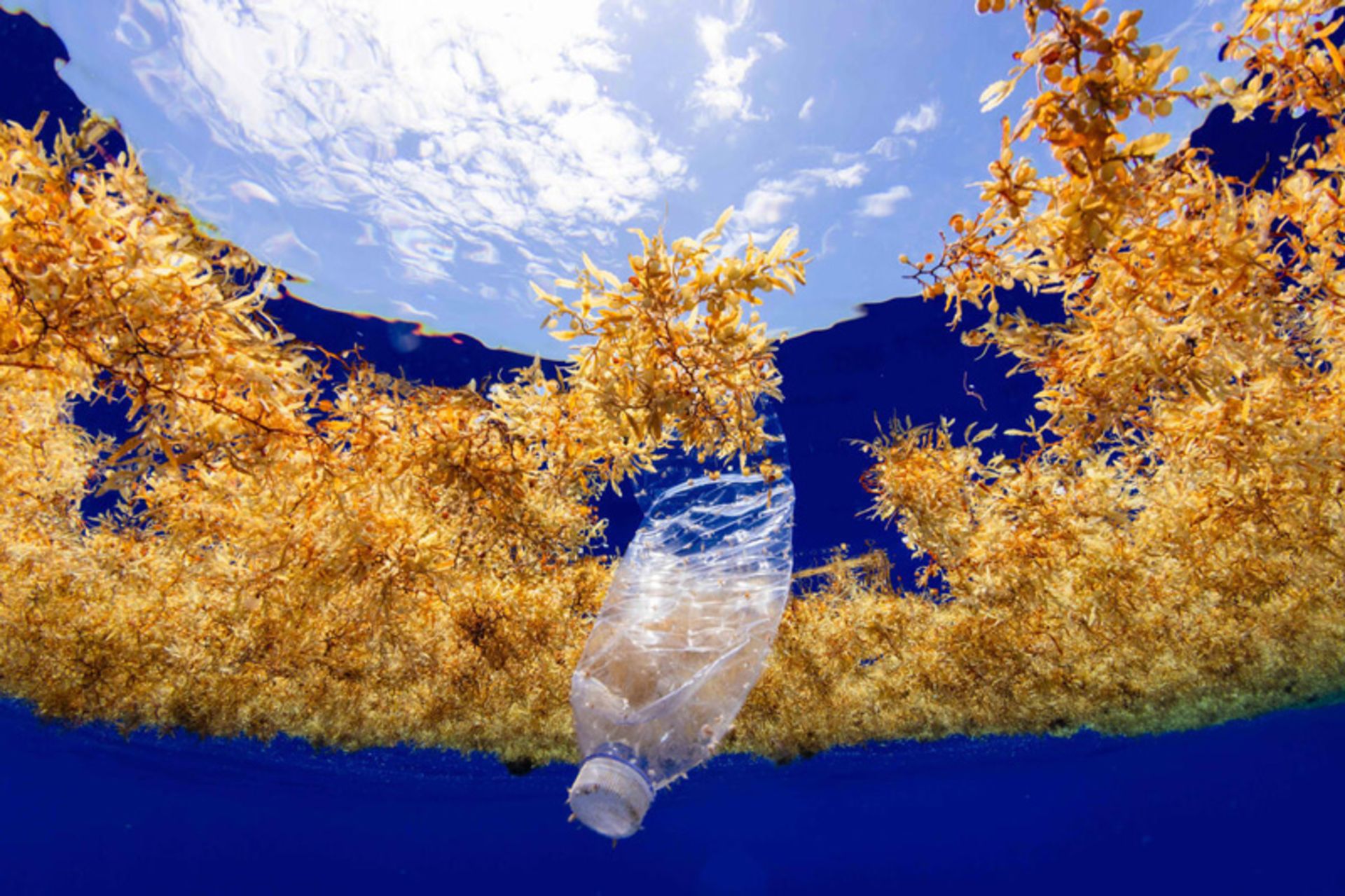
Photographer: Unknown / Green Peace
Observing Sargaso Sea Change over the decades
Researchers have recorded monthly temperature, salinity, soluble oxygen and pH of the Sargaso Sea Since Bermuda. This is due to the dry winds that remove moisture from the surface of the water, while rainfall in June and July reduces water salinity.
Since the 1980s, the average temperature has increased by about 1 degree C. A small number with a big effect. Warmer water prevents vertical mixing and reduces oxygen and nutrients of the deep layers; As a result, plankton growth is decreased.
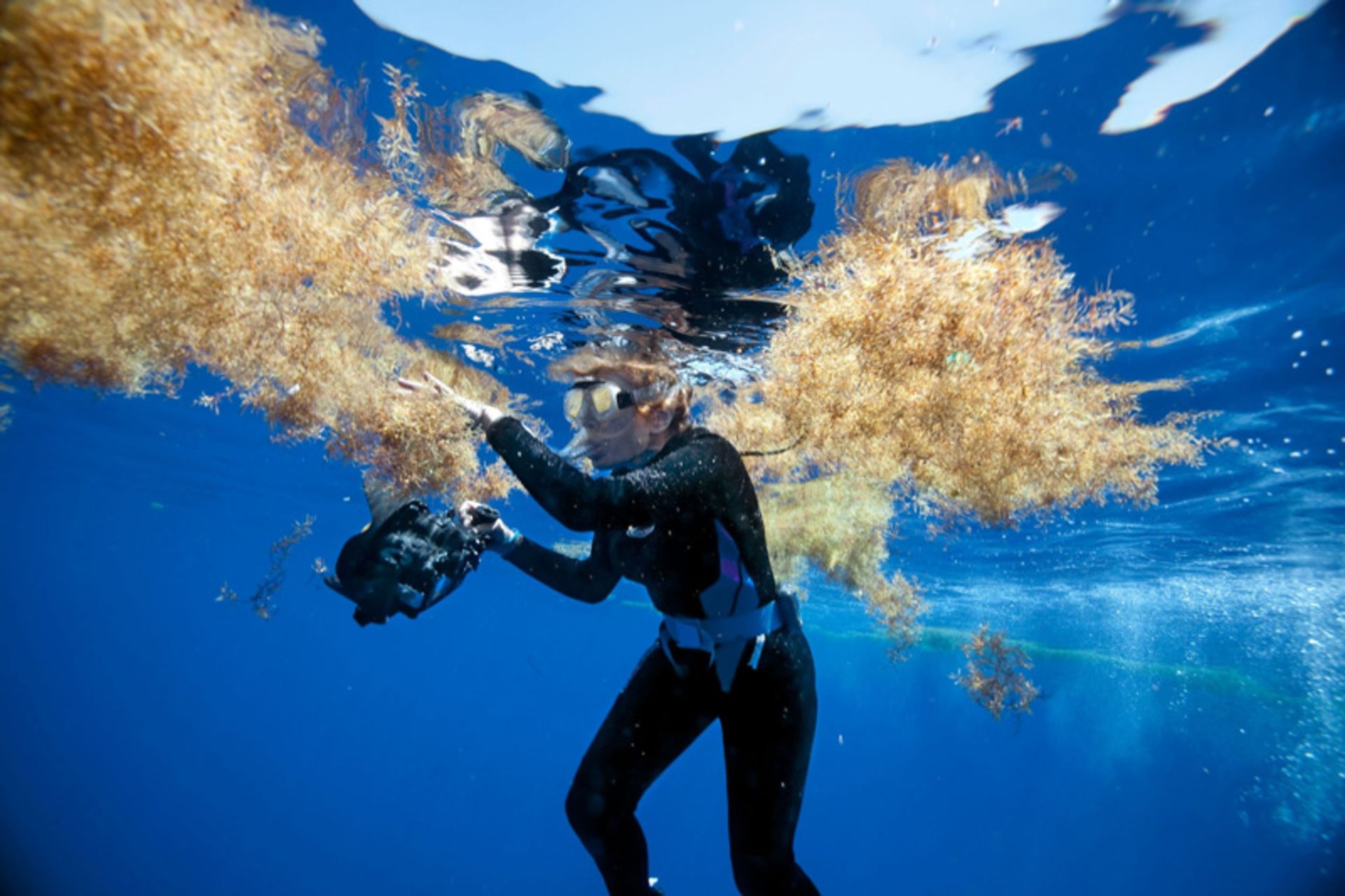
Photographer: Unknown / National Geographic
Battle of the Sargaso Sea with Greek Grast
The Sargasso Sea Commission is an interstellar institution that was formed in year 2. The institution calls the Sargaso region “biodiversity shelter” and calls on countries to adjust the ship’s route to distance them from dense algae masses.
Determining the status of the marine protected area is difficult; Because no country owns this sea and the enforcement of the rules in the open waters is costly; However, environmental activists insist that simple measures such as moving the tanker route to a 5 -kilometer or banning high hooks in the peak season of turtles can maintain Sargaso’s vital habitat.
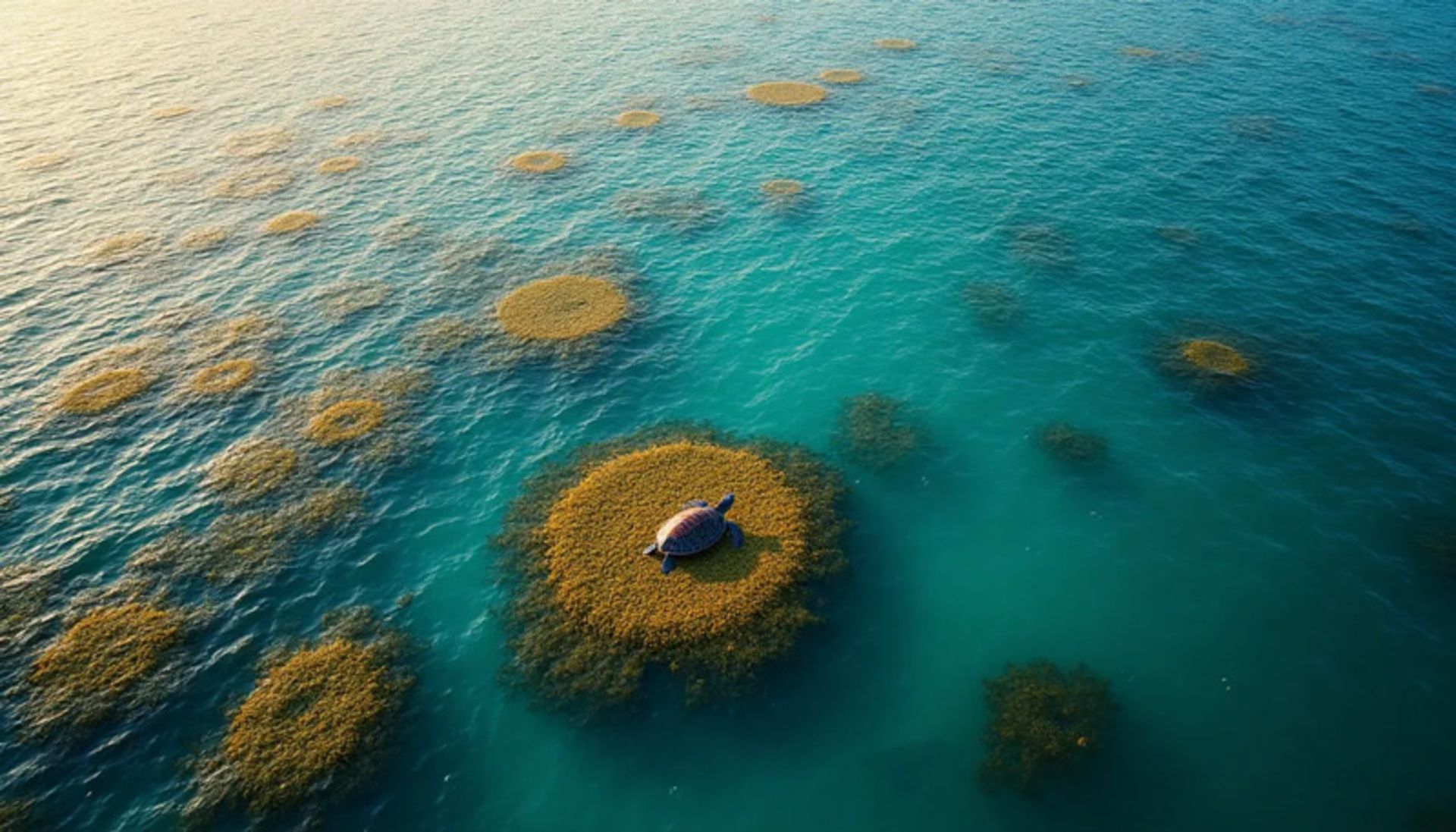
Photographer: Unknown / Only by Land
Policymaking is going slowly and rapid climate change occurs. Due to powerful storms and warmer summers, the growth of sargassum algae in the Caribbean has increased so much that hotels have to clean the beaches with a bulldozer. Extra masses fall into the water, rot and release greenhouse gases, and instead of absorbing carbon, they themselves become a source of production.
The importance of protecting the Sargaso Sea
If we lose the Sargaso Sea, the birthplace of aquatic life from Newfoundland to the Gulf of Mexico is endangered; Whale whales may also reach a sea that is free of food in the spring. The route of storms over Europe may change and the Atlantic Ocean saves more heat than the planet and accelerates the emergence of dangerous atmospheric and geographical phenomena that we still do not know well.
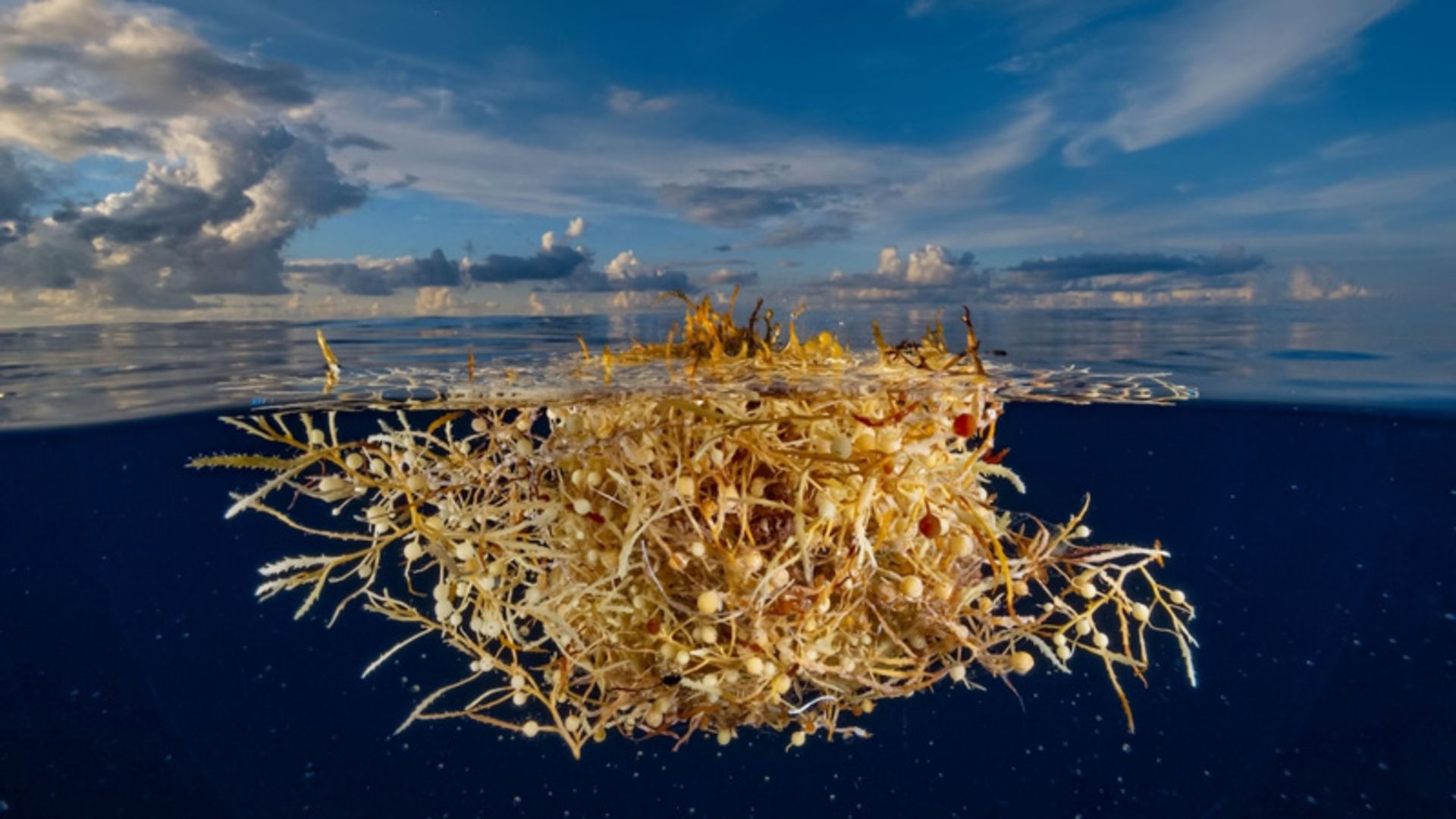
Photographer: Unknown / National Geographic
Governments are now examining a treaty to limit plastic entry into the sea and expand the forbidden fishing areas on important immigration routes for animals and birds. Shipping companies are also testing low -income engines and equipment. None of these actions alone save the Sargaso Sea; But together it can maintain the floating forest enough to have the opportunity to return to cooler conditions.
A sea that may seem empty in the map, links the continents, feeds on creatures in the other half of the world, and provides a live report on the planet’s changes. Slow water Sargaso speaks slowly; But their message is clear:
Keep the sea relaxation; Otherwise, be ready for the storm that comes.
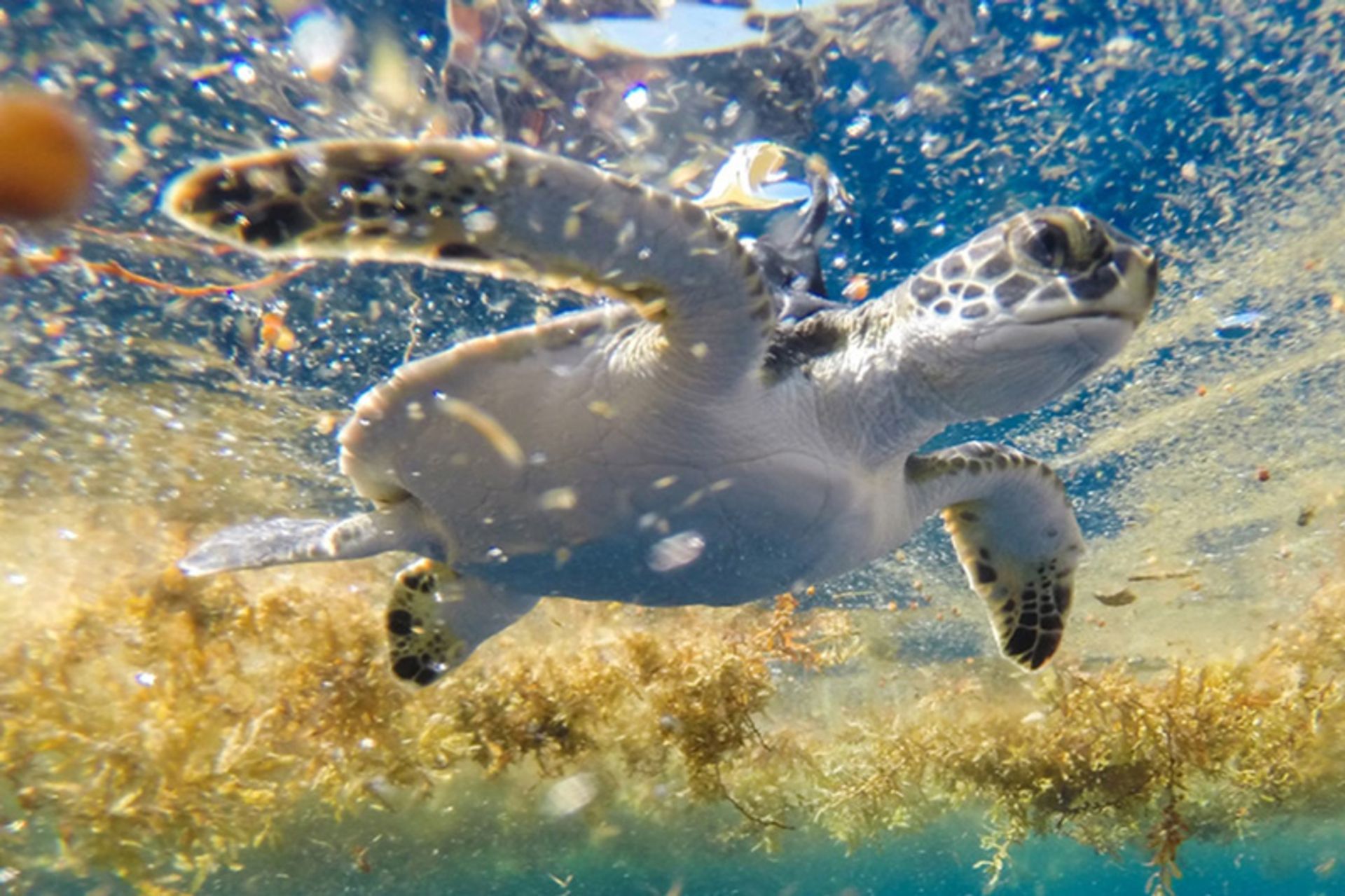
Photographer: Unsual / UCF
If you are concerned about environmental and global crises, share your comments and knowledge with us and other users.
Cover Photo Source: Earth.com | Photographer: Unknown

RCO NEWS