

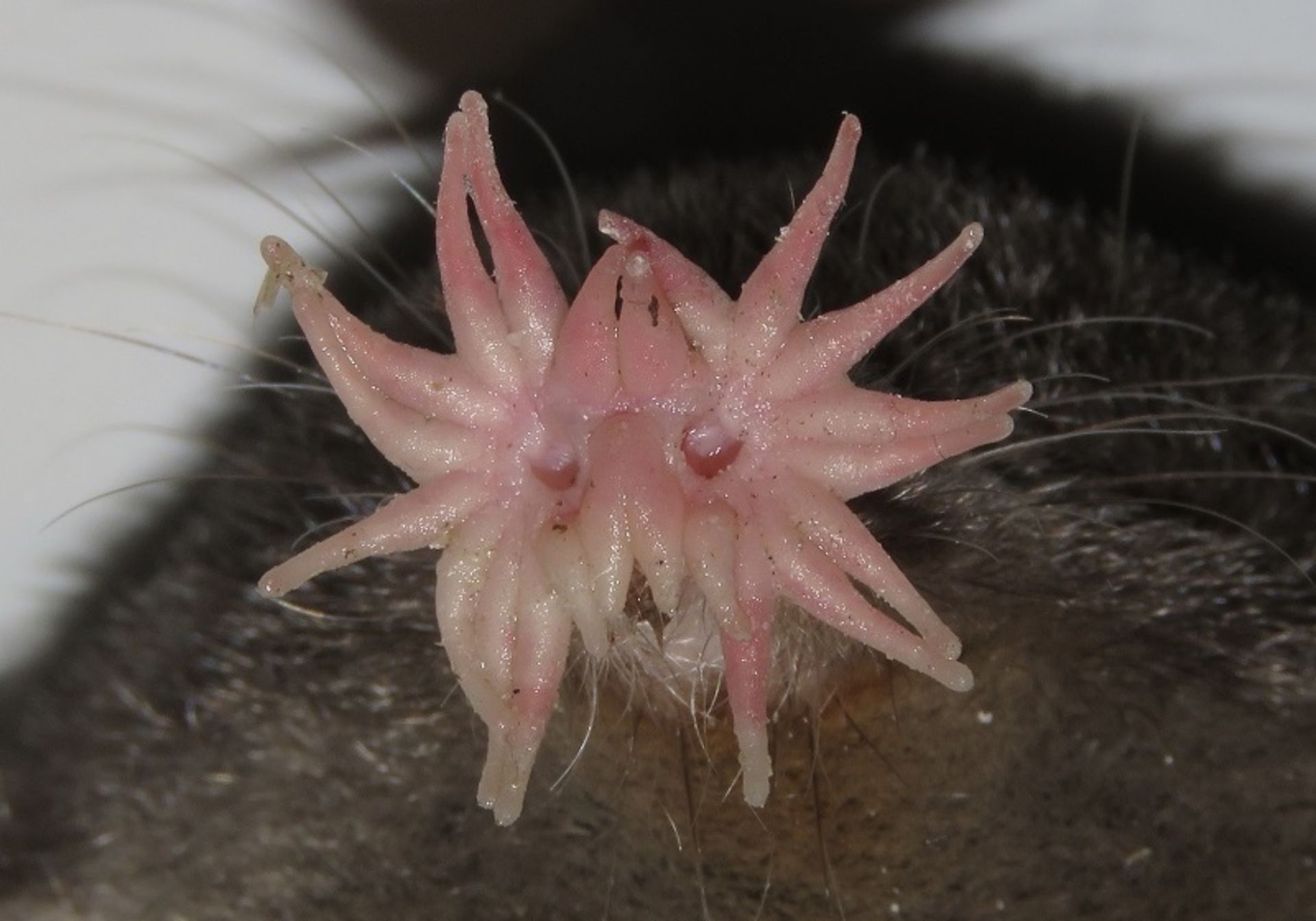
The blind mouse is a small mammal that lives in areas with high humidity, soft and humid soil. He dug tunnels near the rivers for proper nutritional conditions and eliminate potential dangers and often hunts and hunts in water. A nosebleed mouse with a combination of extraordinary sensory characteristics and unique nutritional behaviors is an amazing example of environmental evolution and adaptation.
What is a Star Nose Blind Mouse?
The Condylura Cristata is a small mammal of the family of Talipidae, which lives in the humid and humid regions of eastern Canada and northeast of the United States. This beast is considered one of the most strange creatures in the world because of its unique snout. This blind rat feeds on blue insects, creams, softeners and small fish and is known as the fastest hunter among mammals.
The nosebleed mouse has another special ability. He can also have a strong sense of smell. These unique features have made the nose blind mouse one of the most amazing organized creatures in different biological periods on Earth.
Photographer: Dan Macneal / Wikimedia
The features of the star blind mouse
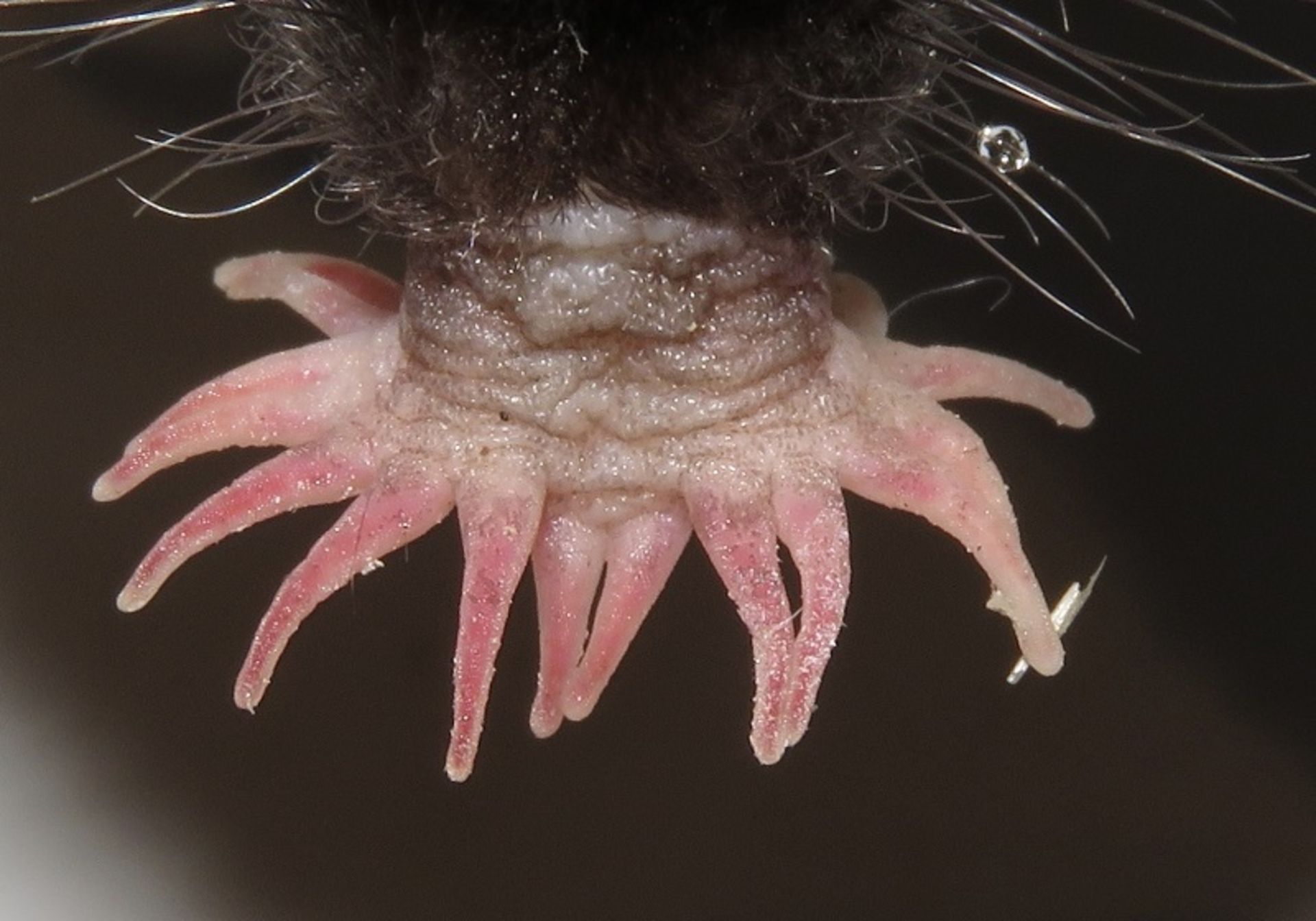
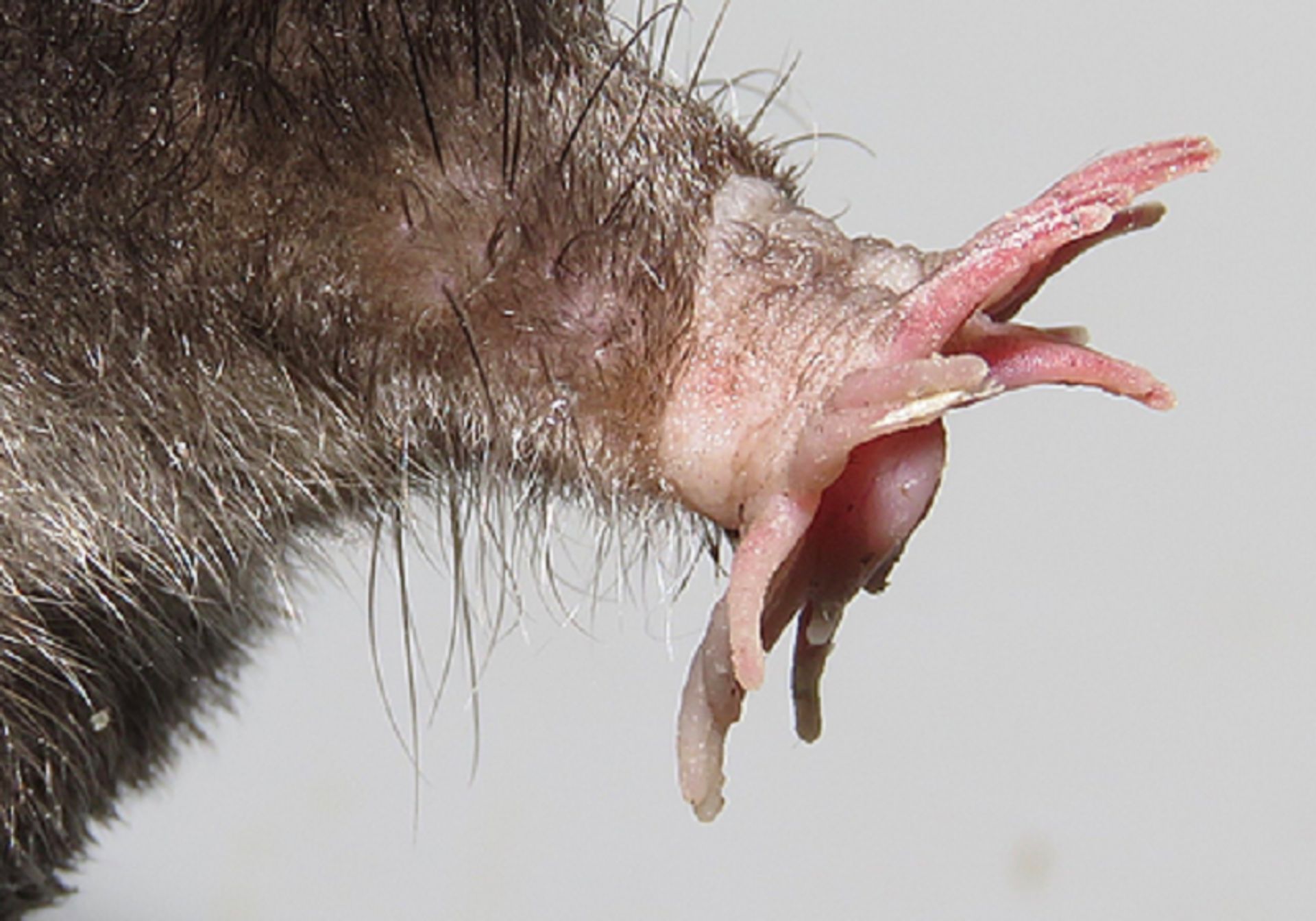
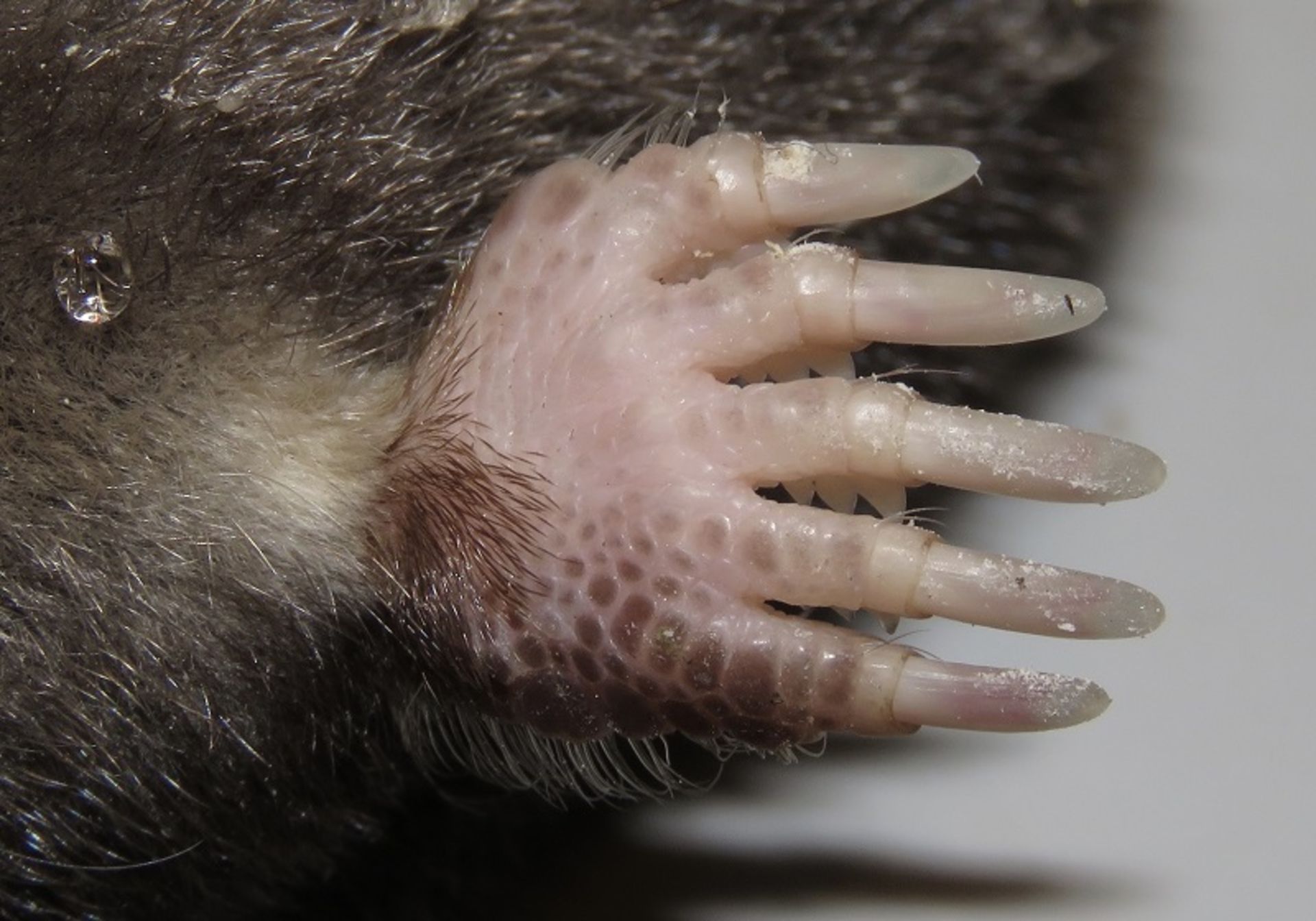
The body length of the blind mouse is between 1 and 2 cm and weighs about 1 to 2 grams. The skin color of this animal is dark and black and has a star -shaped snout as well as large milky claws. The body of this animal is covered with waterproof fur and has a large tail and legs that help it digs underground tunnels. The star muzzle of this blind mouse has 4 fleshy tentacles and acts as a very sensitive sensory organ. With the help of his muzzle, he identifies and hunts the prey in dark and underground environments. It has a tall and fluffy tail that acts as a fat storage in the winter and makes it possible for longer to live without food.
Another special feature of the nosebleed mouse is the ability to smell underwater. This animal can absorb the pepper particles by dipping very small bubbles in the water. This allows him to understand the smell of prey in the water and follow his food.
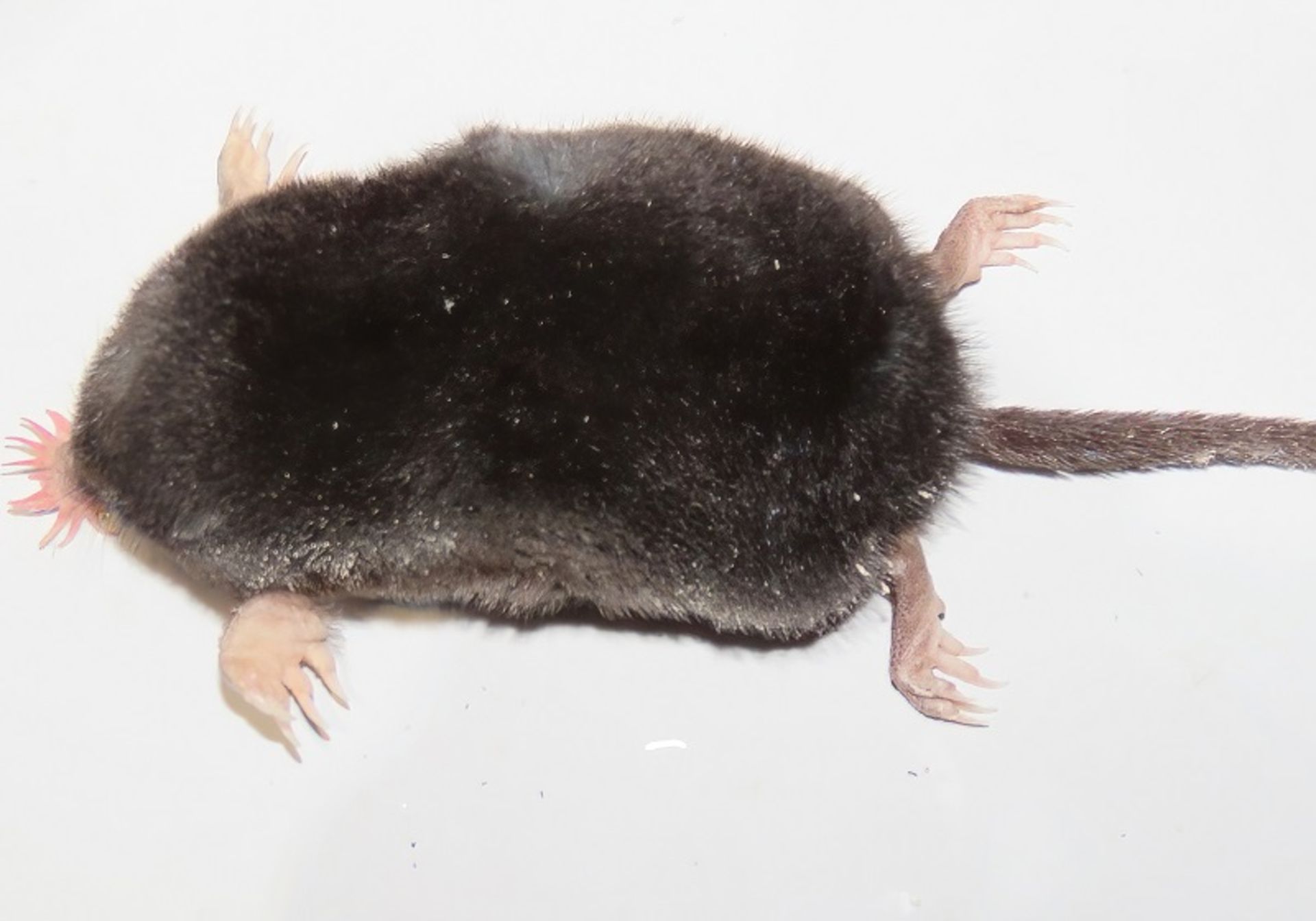
Photographer: Dan Macneal / Wikimedia
One of the most prominent features of the nosebleed mouse is his star -shaped snout with four meat. These appendages have more than 2.5 touch -sensitive terminals; While the entire human hand has only about 2.5 touch receptors. This makes the animal’s nose the most sensitive to the nose between the vertebrates. These touch receptors, known as the Eimer’s Organ, are found only in blind mice; But they are more special in this way, and the nosebleed mouse allow hunting in dark underground tunnels.
The blind mouse is a semi -water nose and can swim well. This animal is active during the day and night. It also builds its nests in drier areas for its infants; But the tunnels that dig for itself at outside and groove intervals are directly attached to the water ducts and are in humid areas.
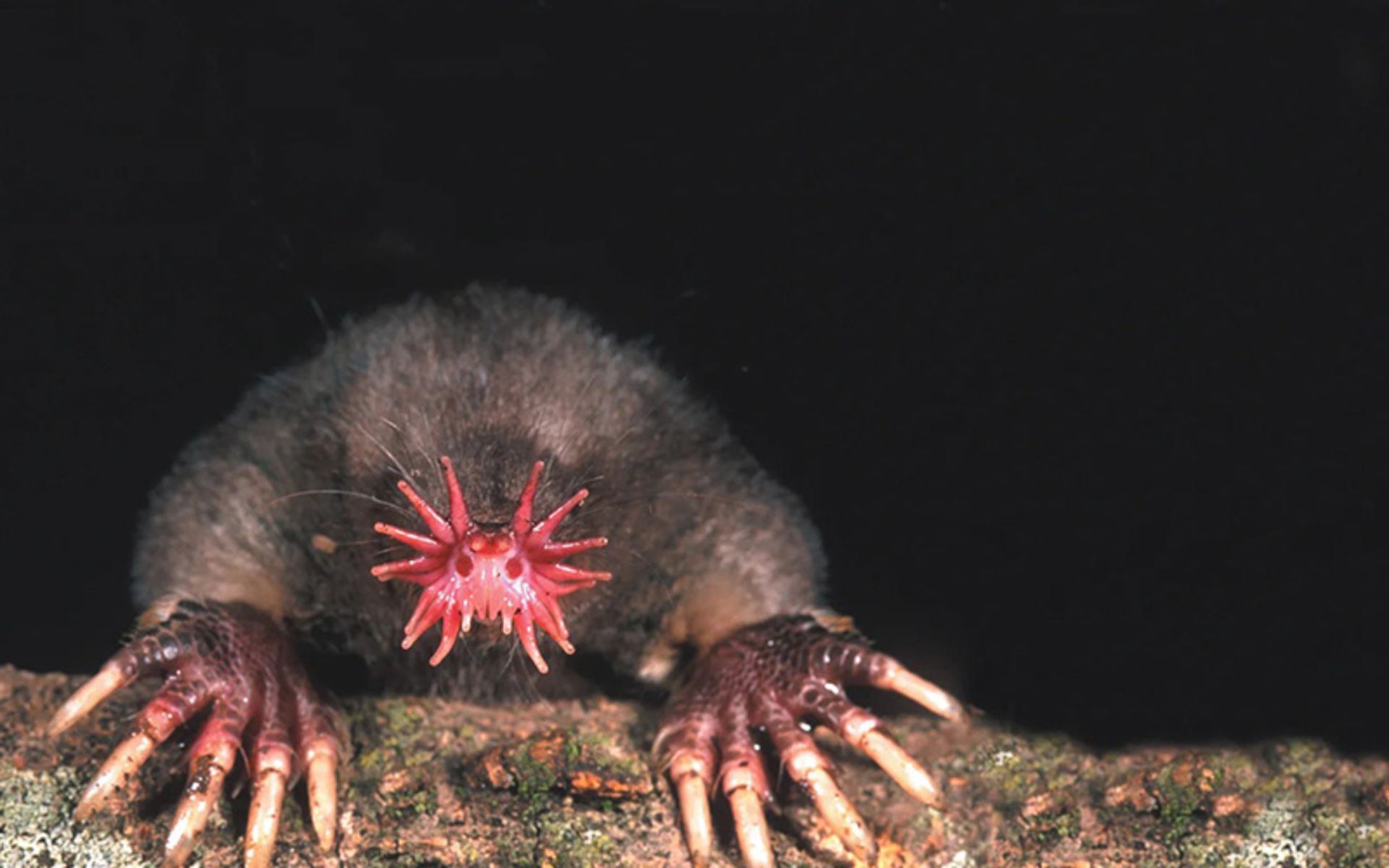
Photographer: Kenneth C. Catania / CIENTIFicamerican.com
The habitat
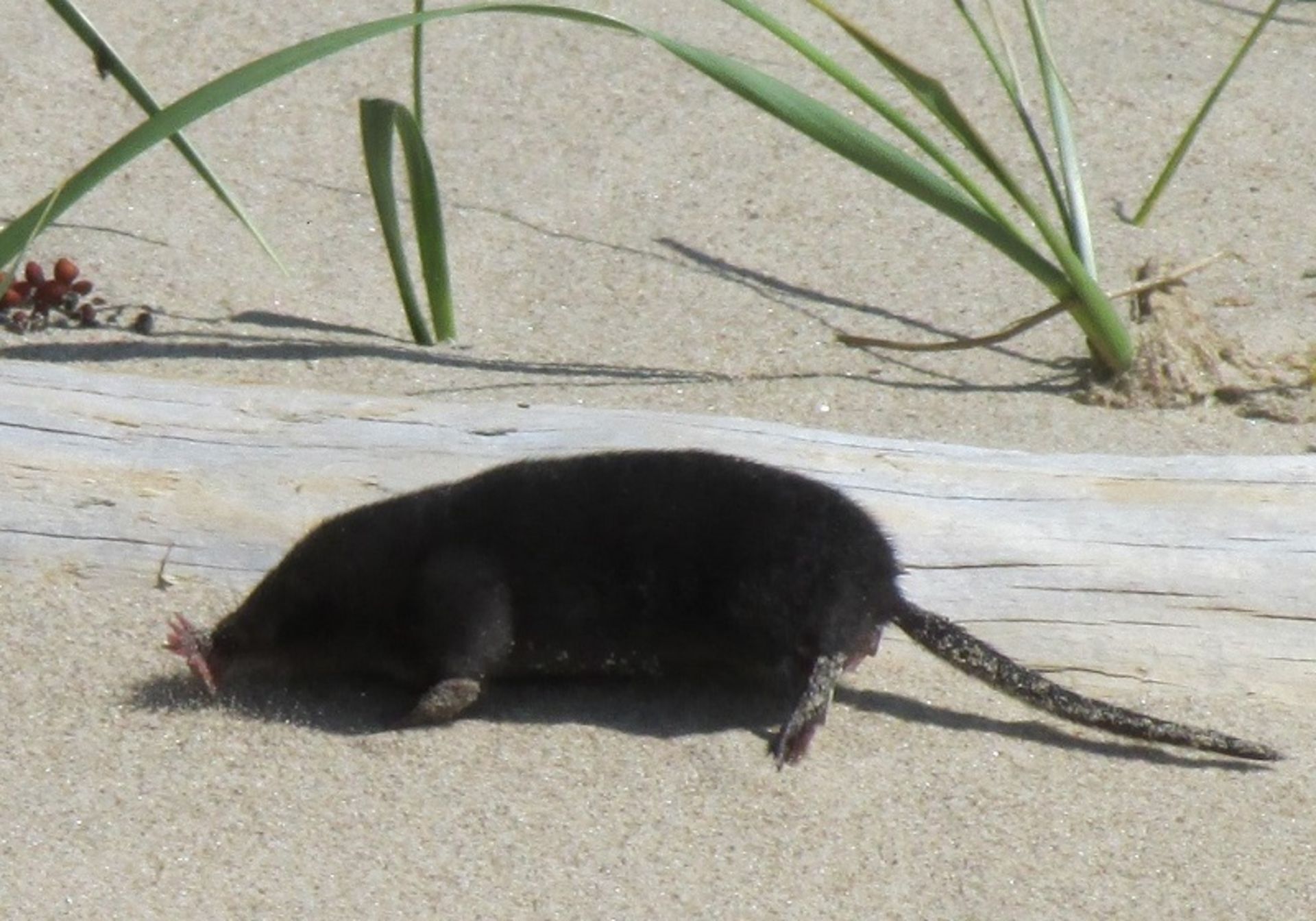
The nosebleed mouse lives in the post -wet and humid regions of North America, including parts of Canada and the United States. It prefers habitats such as wetlands, swamps, wet forests and stream margins. Due to its soft, humid soil, these areas provide good conditions for digging tunnels and access to rich and varied food sources and can remain hidden from the perspective of hunters.
The nosebleed mouse is typically found near the rivers and has the ability to swim as a semi -water species. This feature helps him to search for food in the blue environments. During the winter, since wet land may be frozen, these blind rats often hunt and discover food in the waters.
The nosebleed mouse can detect the outer particles in the water by exhaling and brewing and sending bubbles in high speed. This helps him not only identify the prey, but also to see if the prey can be eaten.
Photographer: Marilyne Busque-Dubois / Wikimedia
Reproduction
Most species of blind rats often mate once a year, and the rest of the year live in their tunnels alone. During the mating season, males expand their tunnels to search for females. During the reproduction time, the males may travel about 2 meters to one kilometer to find their spouse. They move in existing tunnels and dig a new tunnel if the tunnel is not available. In the mating season, almost all rats are pregnant.
Photographer: Dan Macneal / Wikimedia
The birth of a blind nose mouse is an interesting and complex process that belongs to the specific features of this animal. These mice resume using their physiological properties such as sensitive nose and very weak vision, process of finding placenta, mating, nesting, delivery, birth of puppies, care and maintenance of them, reaching independence and leaving the mother’s nest, and so on.
The blind mouse performs his birthplace in late spring and early summer. This creature only gives birth once a year. It is blind in the reproduction of this mouse, the nose has an important and complex role. At the time of mating, the two sensitive branches on his nose help him to look for a sex partner in the dark space of underground tunnels that they have dug himself and his friends.
Photographer: Dan Macneal / Wikimedia
The nosebleed mouse mates in a single chapter. Pregnancy lasts about 2 days and gives birth to two to seven babies each time. When the pregnancy ends, females usually reside in a nest prepared for birth and birth. Babies are completely defenseless, blind and hairless at birth. In the first few days, the puppies feed on the breast milk and take care of them. This time is very sensitive, and the puppies grow and develop during this period. At this time, the sensitive nose of the puppies also begins to develop.
Photographer: Dan Macneal / Wikimedia
The mother uses her nose capabilities to find food as well as protect themselves and puppies against environmental hazards. The first two weeks after birth, the puppies need the mother to survive and survive. At this time, the mother mouse hunts according to her and her children’s nutritional needs and does not bring anything to the nest. After about 5 days, the puppies grow, the skin and other organs of their body evolve and hair on their skin.
Usually in this species of mice, the amount of puppies survive is very high; Because they quickly adapt to their surroundings and hunt food. However, some puppies may die due to natural factors such as lack of food or hunting by other creatures. The average life span of these animals is two to three years.
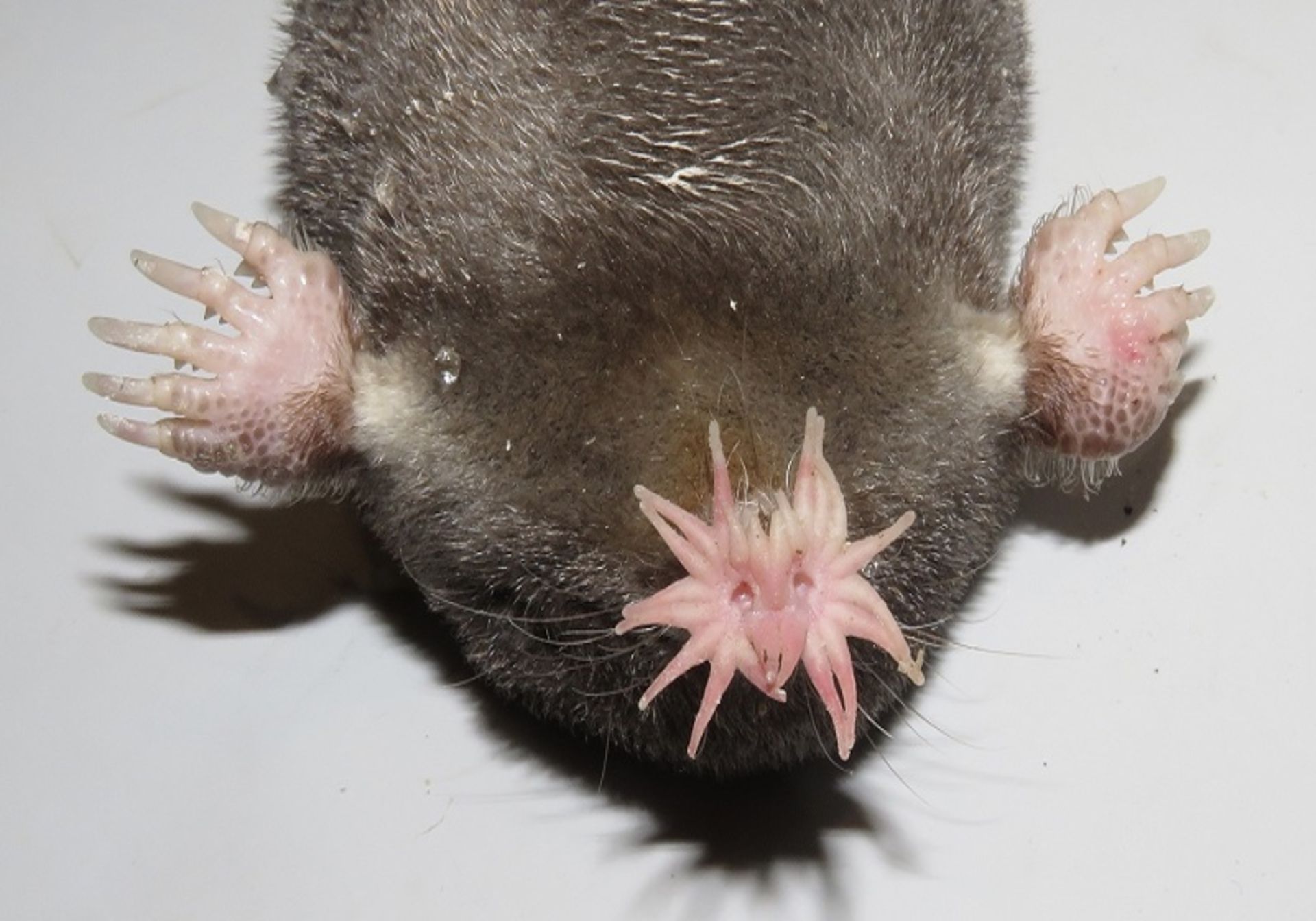
Photographer: Dan Macneal / Wikimedia
After four weeks, the puppies begin to independently and leave the mother’s nest. They use their surroundings to provide daily food and learn the ability to use their nose sensors to search for food. After about 6 months of birth, nose cubs reach sexual maturity and can mate and continue the reproductive process. Since the nosebleed mouse is active throughout the year and does not go to hibernation, it has the possibility of birth throughout the year, but most of the reproductive activities occur in the spring, and the durability and quality of nutrition of infants and mothers in the warm seasons is greater.
Are you also a wildlife lovers and weird animals? If you know another amazing beast, share with us and other users.
Cover Photo Source: Phys.org, Photographer: Kenneth Catania
Frequently asked questions
What is a Stranger Corresponding Mouse?
The blind mouse is a small mammal of the family of blind rats that lives in the humid and humid areas of eastern Canada and northeast of the United States.
What are the characteristics of a nosebleed mouse?
The nosebleed mouse lives in humid environments and can easily move in the soil, on the ground and in the water. This rat is famous for his star tentacles, which plays an important role in his survival.

RCO NEWS