


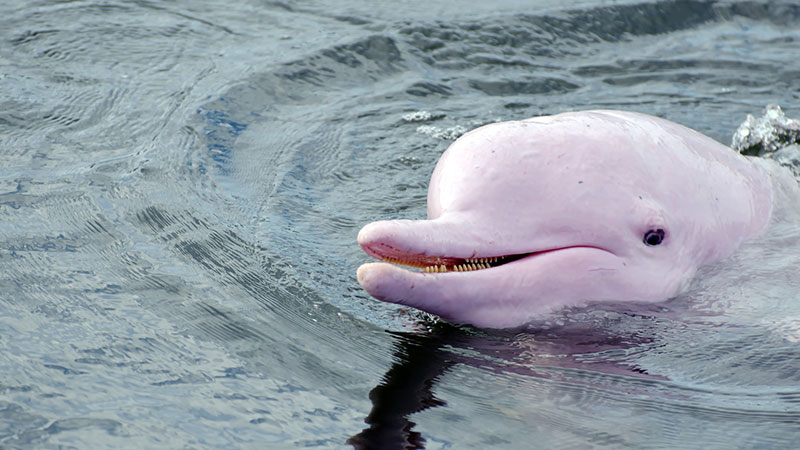
Imagine riding on the Amazon River. Suddenly the amazing fish is out of the water that is neither blue nor gray! This legendary pink creature is called the Amazon Dolphin and is one of the most mysterious inhabitants of this vast river, which has been the minds of scientists and naturalists. But the question is, where does the special and unique color of the Amazon Pink Dolphin come from? Here we want to unveil the secret of this wonder.
Amazon Pink Dolphin Anatomy
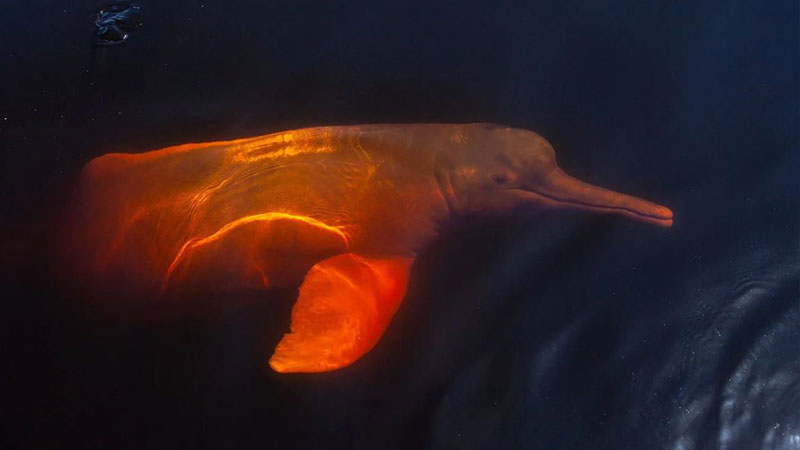
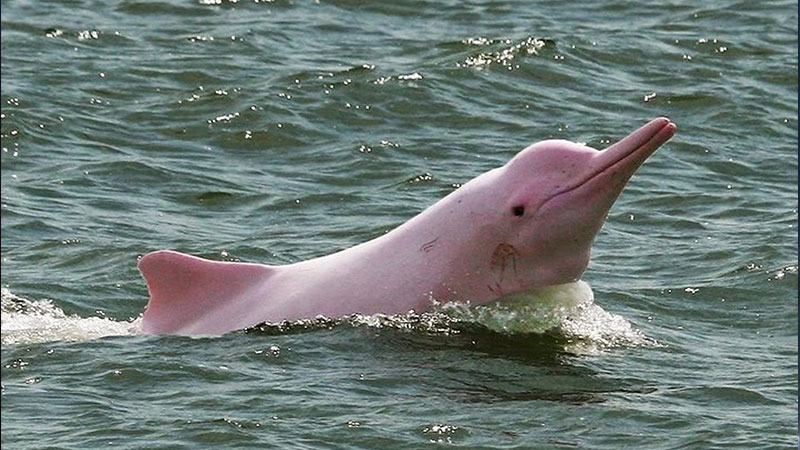
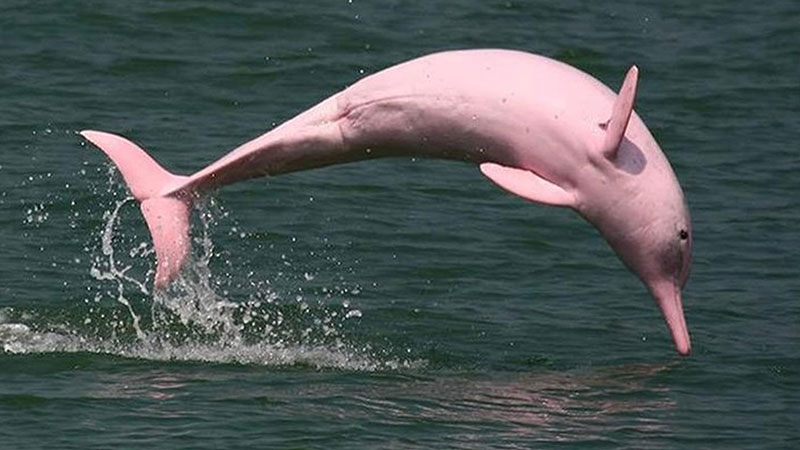
The dolphin of the Amazon River is about 1.5 feet long. They are seen in the color spectrum of pink shades, matte gray pink, rosy pink and light pink like flamingo. This color diversity is not because of the species but because of the blue transparency in which the Amazon pink dolphin lives. According to scientific evidence, the darker water is, the more pink dolphin will be. The sun’s beams also cause the dolphins to lose their pink, so dark water helps protect the light color of the dolphin.
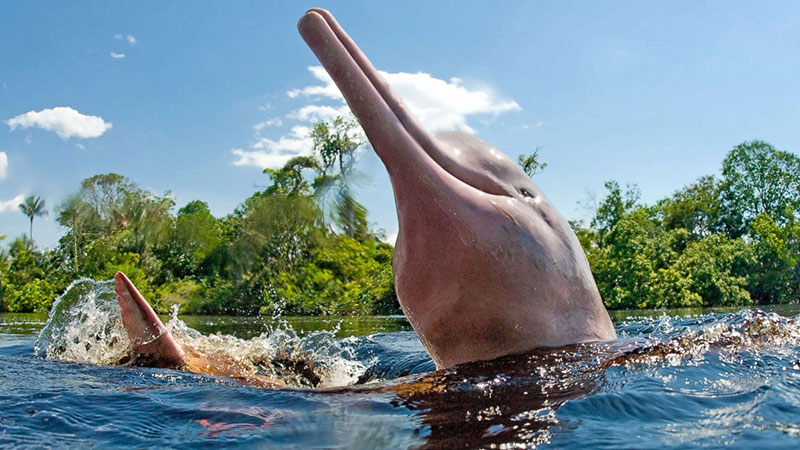
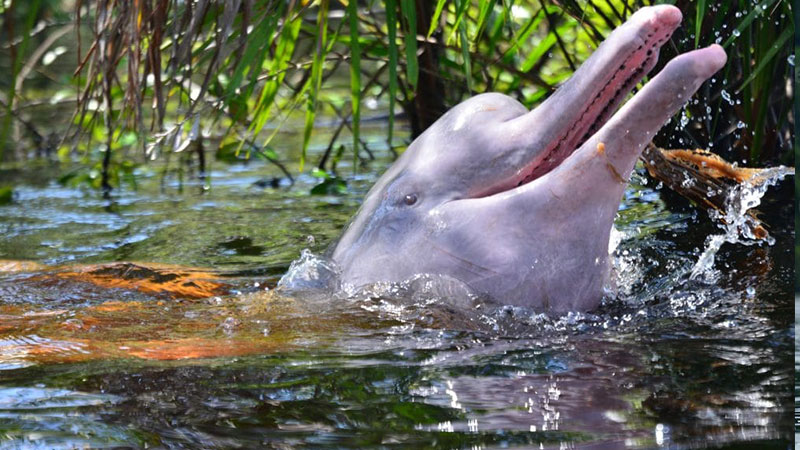
In addition to color, there are several other appearance differences between pink dolphins and other dolphins. For example, the dolphins of the Amazon River can rotate their neck to the other, while most dolphin species are unable to do so. This feature allows the dolphin to move one ballet forward and another back and be able to maneuver during the sea. These dolphins are actually capable of swimming on the flooded ground, and flexibility helps them move around the trees.
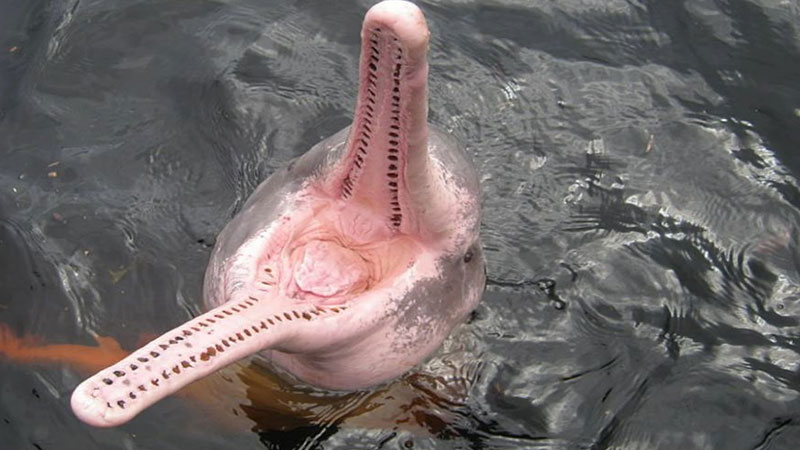
Other features that distinguish these dolphins from other species are molar -like teeth that allow them to curse their prey. Also, having lilly hair at the bottom of their muzzles helps to look for food on the bottom of the muddy river.
Read more: Amazon’s strangest animals
How many teeth have Amazon River dolphins?
They have about 1 to 2 pairs of long, narrow teeth on each side of both jaws. Amazon’s pink dolphins are different in shape and length for getting prey. These creatures are the only dolphins that, like humans, have heterological teeth (equivalent to molar teeth).
They use these teeth to eat food before swallowing. This allows dolphin to eat hard prey such as river crabs and small turtles. They can even cut large cats and armored fish before swallowing smaller pieces. (This feature is very unique because other dolphin species only have cone teeth).
Amazon River Dolphin’s ability to see
The pink dolphin of the Amazon River, despite their relatively small eyes, do not try to see, and in fact their vision is very good under and above the water level. With the help of the neck -clinging, they can reach all aspects by rotating their heads and monitor everything at any angle.
Pink dolphin habitat
The dolphin of the Amazon River can be found in the Amazon River as well as the Orinoku River. These river systems flow throughout South America, especially in Brazil, Bolivia, Ecuador, Venezuela, Colombia, Guyan and Peru.
Amazon’s dolphin diet
The Amazon River dolphins of more than 5 types of fish as well as the hardness found on the river and occasionally feed the turtles.
Read more: Introduction to the Amazon Forest
How does Amazon’s pink dolphin track your prey?
The Amazon River dolphins have a light and maneuverable body. They are skilled swimmers and can easily find their way through the trees and underwater shrubs and their food. The Amazon Pink Dolphins are underwater natural gymnastics and can rotate in a variety of ways, including inverted, rotational, and even swimming, and with the help of large and routine fins. Rotating is useful when the prey is rapid and prone to refuge in impassable places.
Pink dolphin size
The male dolphins of the Amazon River are about 1.5 meters long, while the females are only slightly shorter and about 1.5 meters. The weight of the males is about 5 kg, while the weight of the females (depending on whether or not the pregnant) is estimated at 1 to 2.5 kg. Babies of dolphins are 1.5 meters long and 5 kg.
Where do the Amazon River dolphins live?
The dolphins of the Amazon River live only in freshwater and are often thousands of kilometers from the sea. These beautiful species are found in massive rivers, small rivers, lakes, flood forests and underwater grasslands, and in seven countries Bolivia, Brazil, Colombia, Ecuador, Guyana, Peru and Venezuela. This extent includes a population of static ecosystem Amazon and Orinoku River systems as well as the Aragoa River in Brazil.
How fast can Amazon’s pink dolphin swim?
The dolphin of the Amazon River is a relatively slow swimmer compared to its ocean counterparts. These mature species usually swim at speeds of between 1 and 2 kilometers per hour, and occasionally (when they are looking for prey), their speed increases up to 5 km / h at short distances.
Read more: Brazil’s largest tree
Amazon River Dolphins
Recorded sounds, echoes, whistles and beatings from Amazon’s pink dolphin, passing, screaming, crack and moan!
Amazon River Dolphins Life
The lifetime of a dolphin Amazon River is unknown, but the oldest registered material is estimated at 5 years. Materials over 1 can still reproduce.
Environmental threats of pink dolphin
Human activities are the main threat to Amazon’s pink dolphin. Although these dolphins have long been respected because of local beliefs about having magical power, these beliefs are changing. Some dolphins are deliberately caught by hunters and often trapped and died in fishermen. In addition, the construction of hydroelectric dams in the South American rivers has caused a crisis of contamination, the loss of habitat and the decline in food resources.
The best place to see Amazon Dolphin
The Amazon and Orinoku rivers in South America host the main pink dolphins. But in addition to the two to see these amazing creatures you can go to the following places:
- Manaus, Brazil: It is located in the heart of Amazon and from there you can go to different areas of the Amazon River to see the pink dolphin.
- Pantanal, Brazil: This area has a very beautiful wildlife, but pink dolphins are also found in some rivers in the area.
- Latesia, Colombia: This small town is on the border of three countries (Colombia, Brazil and Peru) and is one of the gates of the Amazon rainforest. By boating in the river in the area, you probably find the chance to see Amazon’s pink dolphin.
- Ikitus, Peru: This city is located deep in Amazon and is known as the largest city in the world that cannot be accessed by road. Amazon’s pink dolphins can be seen in the Ikitus River.
- Yasouni National Park, Ecuador: This protected area is a diverse habitat for rare species, including pink dolphins.
Final speech
Pink dolphins are one of the most amazing wildlife creatures and are a symbol of the biodiversity of the Amazon rivers. These dolphins have attracted the attention of ecologists and tourists with specific social behaviors, different and complex anatomy, and their unique color. On the Brazilian tour you can have the chance to see these beautiful and lovely creatures.
Copying the contents of the Vanak Star Airlines agency is solely with the source.

RCO NEWS