


Scientists have succeeded in designing a type of smart fabric equipped with a sensor that can monitor the health of the asphalt layers of the road in a moment. This achievement can make the re -coating process more stable and less expensive.
To develop this innovation, a team of researchers at the Freonefar Wood Research Institute at the Wilhelm-Clauditz Institute (WKI) in Germany has collaborated with Senad2 project experts.
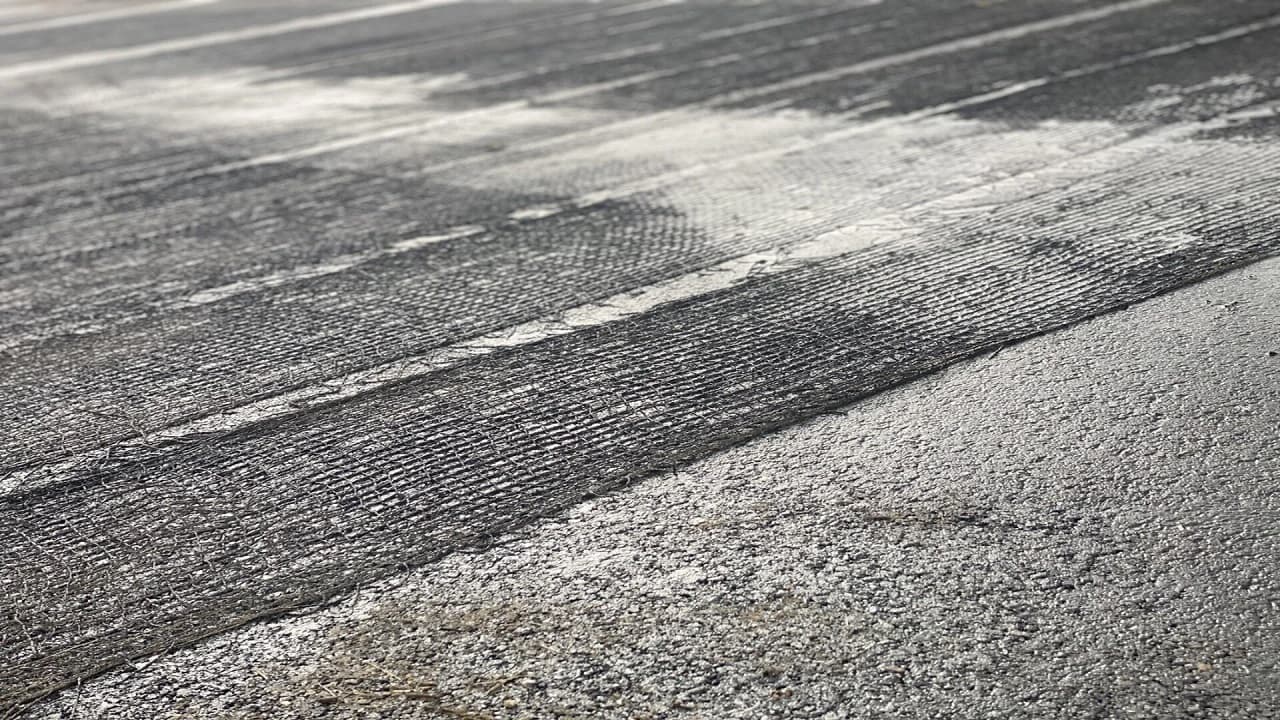
This new solution consists of a reinforced bio -fabric with conductive sensor wires that fall directly into the asphalt. After installation, this structure measures the stress and pressure in the base layer and then analyzes the artificial intelligence algorithms and provides instant information about the road condition. According to institute officials, these changes transform the electrical resistance of the fabric, thus making a constant flow of data -related data available. It is hoped that this interaction between sensors and artificial intelligence system will allow for continuous evaluation of road structural conditions.
Traditional road maintenance has been performed for years based on the appearance of the surface or destructive methods such as drilling to examine deep injuries. While cracks and surface defects caused by traffic and environmental pressures are easily visible, identifying the micro -transit and damage to the lower layers still requires drilling and extracting nuclear samples. This process, in addition to being costly and inefficient, disrupts the flow of traffic and reduces the useful life of the road. Now to overcome this problem, researchers have designed a smart system for measuring and analysis that can monitor the underlying layer of the asphalt without destruction and overwhelming.
Cristina Hacster, a WKI Institute researcher, said:
Our goal is to be able to plan over a longer period of time, monitor the changes of the road situation continuously, and make predictions to be used in maintenance management activities. This system provides a continuous view and improves managers’ decision -making ability to determine the right time and place for coating. The main goal of the team is to track and predict asphalt roadburn. This technology does not extend the longevity of the roads, but efforts to monitor their status make them more efficient.
This new fabric has a light weight and is made of flax fibers, which is a natural, renewable and low -cost material. Inside, the very thin conductive wires with a diameter are less than one millimeter. These wires integrate in the same process of knitting into natural fibers, which provides high resistance to slip or displacement. The use of thick and long -distance yarn gives it more stability.
“The fabric must be designed in such a way that its structure does not break down in the heart of the asphalt,” explained. The sensors should not be damaged either at the knitting phase and when it comes to the road. ” He said the fabric was designed to withstand the weight of asphalt trucks and machinery during road construction operations. The fabric is manufactured in a two -sword knitting machine at the WKI Flower Institute and can be manufactured within 2 cm and any length of time, so it is possible to scalability for actual use in road projects.
“As our initial tests have shown, the fabric is designed to gain the hardships of installation and environmental conditions,” Hockster said. After being placed in the asphalt layer, the sensors move their data to a roadside measuring unit that stores and sends information for analysis. Software based on artificial intelligence then interprets data to identify the injury patterns and estimate the process of burnout over time. The system also has a digital dashboard that provides access to this information not only for road responsible institutions, but also for businesses, communities and road users that are affected by maintenance programs.
Following the success of feasibility tests in the laboratory environment, the system is now experimenting with a flat road in the industrial area. The sensor fabric expands throughout the road bed width and the nodes of measuring electrical resistance changes during the passage of vehicles.


RCO NEWS