


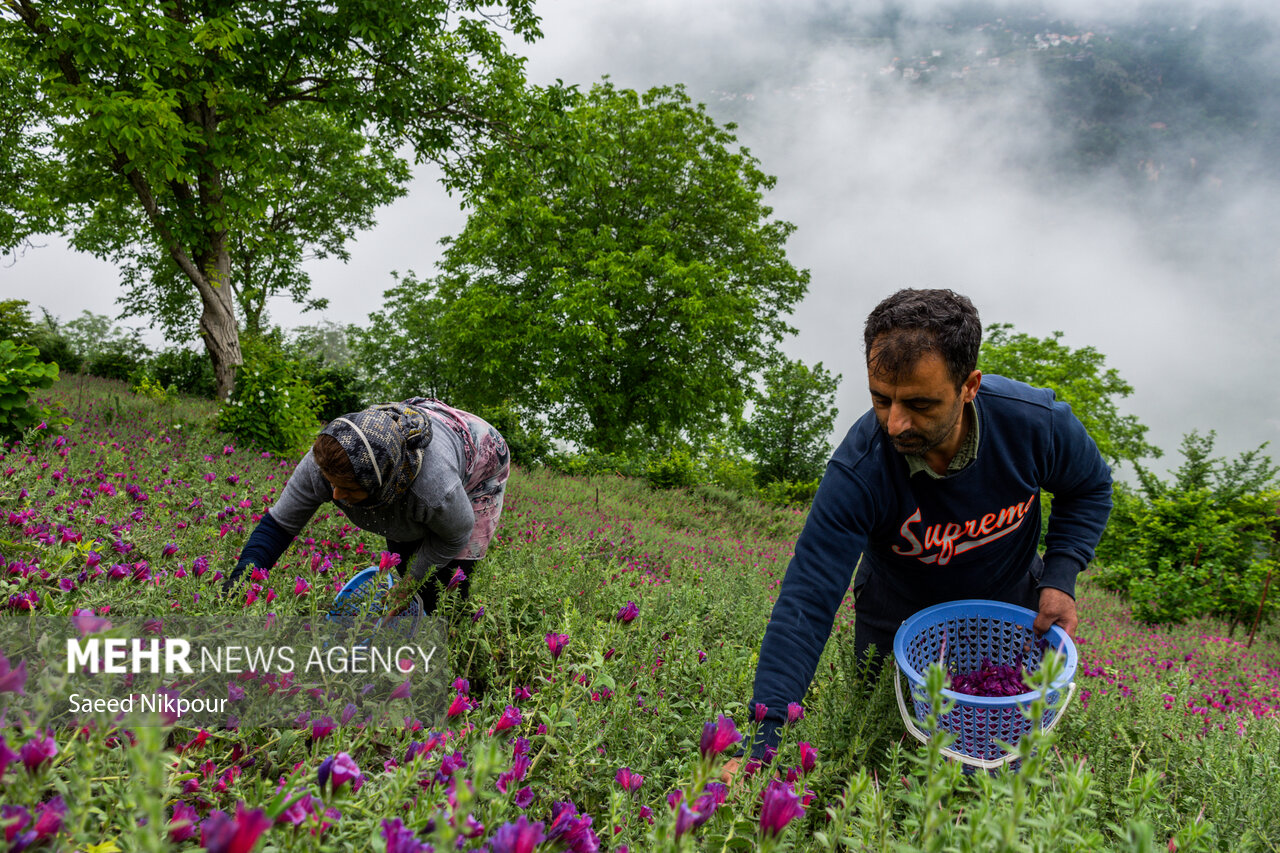
According to the report of Mehr news agency, quoted from the University of Tehran, the researchers of the Faculty of Agriculture and Natural Resources of the University of Tehran, consisting of Mohammad Ali Garhami Aqblag Rostam Khan, student; Majid Khanali, Associate Professor; Hasan Ghasemi Mobatkar, Associate Professor, according to his own research, has paved the transition from the current cultivation system to mechanized and precise agriculture for this valuable plant, which draws a clear horizon for sustainable development in the country’s medicinal plant industry.
Regarding the description of the practical solutions derived from this research, Majid Khan Ali stated: Based on the findings of the study, three key strategies have been developed to promote the sustainability of the production chain of Iranian marigold and its generalization to other medicinal plants. The first strategy is to reform the plant nutrition system through the gradual replacement of chemical nitrogen fertilizers with biological fertilizers and organic soil conditioners such as humic acid, as well as the development of nitrogen-fixing plants in rotation with borage, which, while maintaining crop yield, will bring about a significant reduction in greenhouse gas emissions.
He added: The second strategy is the transformation in packaging by gradually removing nylon and replacing it with biodegradable materials based on renewable resources and optimizing the packaging weight. This strategy prevents the accumulation of plastic waste in the environment and is in line with the development of the green packaging industry in the country.
In the end, the associate professor of the Faculty of Agriculture and Natural Resources of Tehran University pointed out: The third strategy is the transition from the current semi-mechanized system to precise and mechanized agricultural systems by using the equipment and deployment of efficient machines and optimizing fuel consumption. This strategy, along with the various medicinal and health properties of this plant, increases production efficiency and provides a more uniform quality of the final product for supply to domestic and international markets. The implementation of these three strategies in the country’s medicinal plant industry will be a big step towards achieving sustainable food security, energy efficiency and reducing the carbon footprint.
The research findings of the research team of this study, entitled Energy audit and sustainability assessment of the production chain of Echium amoenum Fisch & Mey using a life cycle assessment, which has recently been published in an international publication, are available to researchers, policy makers and activists in the fields of agriculture and transformation industries through this link.

RCO NEWS