



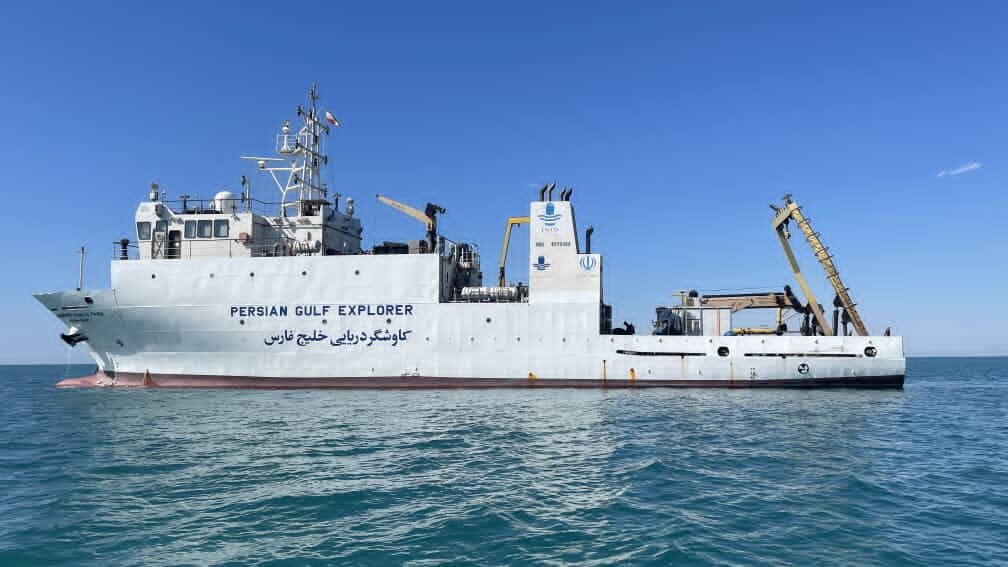
The scientific patrol, which includes a sampling and monitoring program at four research stations from the Strait of Hormuz to the water borders of Iran and Pakistan, will be carried out for about a month with the Gulf explorers’ research vessel, quoted the National Institute of Oceanology and Atmosphere.
The Oman Sea, as an important part of the Indian Ocean, plays a key role in ocean exchanges, shipping and world trade, while hosting valuable and sensitive ecosystems such as corals and biodiversity rich. Despite the great importance, comprehensive and coherent studies in this water zone have been developed less than other adjacent seas such as the Persian Gulf. Therefore, the implementation of ahead of ahead will be an important step in filling the scientific divisions and promoting the country’s marine knowledge.
During this patrol, various scientific groups will conduct extensive studies in the fields of physical, chemical, biological and marine geology. These studies include the study of the structure of the water column to the depth of more than 2 meters, the minimum oxygen (OMZ) monitoring and its effects on biodiversity, the study of nutrients and primary products, the study of carbonate chemistry and the acidification process, the tracking of mineral contaminants, organic and microplasty, as well as the study of the minerals. There are also sedimentary programs, including geochemical and mineralization of sediments, core, and the old -fashioned analysis of the Oman Sea.
Another important axis of this tour is the monitoring and synergy of satellite and drone sensing data with field data that will help improve the accuracy of regional models. In addition, sampling dust particles over the Oman Sea will be performed to investigate their origin and role in marine sedimentation.
The National Research Institute of Oceanology and Atmospheric Science will collect fundamental data on the environmental and biological status of Oman by implementing a research patrol. This scientific data is the basis for the formulation of national macro programs to protect the marine environment, managing fishery resources and sustainable development of Makran’s strategic coasts.
The Persian Gulf explorers have previously carried out two successful oceanological patrols in the Persian Gulf and the Oman Sea for the past 10-5 years, and will now go to the national mission to serve the country’s science and development.
(tagstotranslate) Oman Sea (T) Persian Gulf (T) Strait of Hormuz (T) National Institute of Oceanology and Atmospheric Science (T) probe

RCO NEWS