


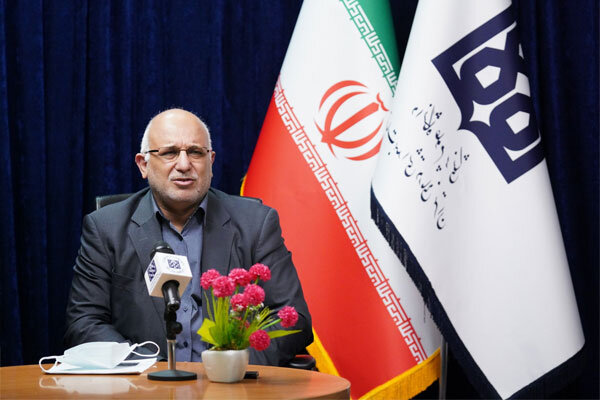
On the sidelines of a meeting of the Advisory Commission of Science and Technology of the Supreme Council of the Cultural Revolution, Seyyed Mehdi Sarzat, a member of the Tehran University of Medical Sciences and a technology and research activist, said in a conversation about the nature and outcome of today’s meeting, the war.
“With the empathy of the people and the country’s military and technology capabilities, we were able to overcome this crisis,” said Satan, pointing out that the main goal of the enemy was the collapse of the system. This achievement, at the same time, with the supreme leader’s emphasis on the acceleration of science and technology in the fortieth martyrs of national authority, is a great opportunity to revise the country’s scientific policies.
He said: “We must learn from the strengths and weaknesses that have been identified in this war.” Emerging technologies played a central role in this success, indicating that the future of our security, politics, and economics depends on technology authority. If we didn’t have the technology tool to put pressure on the enemy, it would not have been possible to propose a ceasefire.
“The military technologies used were the result of the efforts of academic youth and domestic technology,” said Satan, referring to the role of youth and universities in the production of these technologies. Today, the value and value of universities and their graduates have become more and more evident. But in the past periods, the status of university and scientific outputs had declined. This opportunity should be used to redefine the role of universities and invest in strategic technologies.
“To accelerate technology, we need to identify strategic technologies, including those who have act as a strength or those who, if neglected, will become weak,” he said. These technologies must be under the magnifying glass and universities are specialized and focused.
Satisfaction pointed to the challenges of financing and human resources and said that the amount of investment in science and technology is much lower than the desired level. While programs have predicted 5 % of GDP allocated to the area, the figure has not yet been operational. This number must be increased.
He emphasized on the faculty and technology of the country: “We must maintain them by solving the problems of the faculty.” Our technologists are of interest to the world and should be given a special social status. Knowledge -based companies should have a special budget and serious support as one of the most important technology commercialization tools.
Confidence at the end emphasized the need for “science and technology governance” and said: “Technology management and macro planning should be done in a special way. The Planning and Budget Organization and other decision -making institutions must look at religion and knowledge as the two wings of national power. The supreme leader of the revolution said: ‘We must fly in religion and knowledge’. This means we have to deal with everyday budget and livelihoods, investing in emerging technologies and vital projects.
According to Satisfaction, the session was an opportunity to raise these views from different angles by experts, and we hope that its results will be converted into executive packages and taken into account in future pathologies.
(Tagstotranslate) Supreme Leader of the Islamic Revolution (T) Tehran University of Medical Sciences (T) Supreme Council of Cultural Revolution

RCO NEWS