


You probably think that zombies are not real and have come out of the imaginary films, but you have to know that you are wrong and in fact there are creatures in the natural world that become zombies! In this report, we are going to discuss the reason and how to turn the animals into zombies, and of course we will be introduced to several of them.
According to RCO News Agency, There are several examples of parasites such as fungi, bees and other living things that turn animals into zombies. But before we look at it, we must first answer the question what exactly do we mean by zombie? You should know that such parasites take the ability to decide on animals and affect them to take action that supports the life cycle of the parasites.
Unlike the coexistence relationships in which the two living things work together and flourish, in this case, the interactions are at the expense of the host beast and only to the parasite and even at the expense of the lives of living things.
Hostage beetles taken
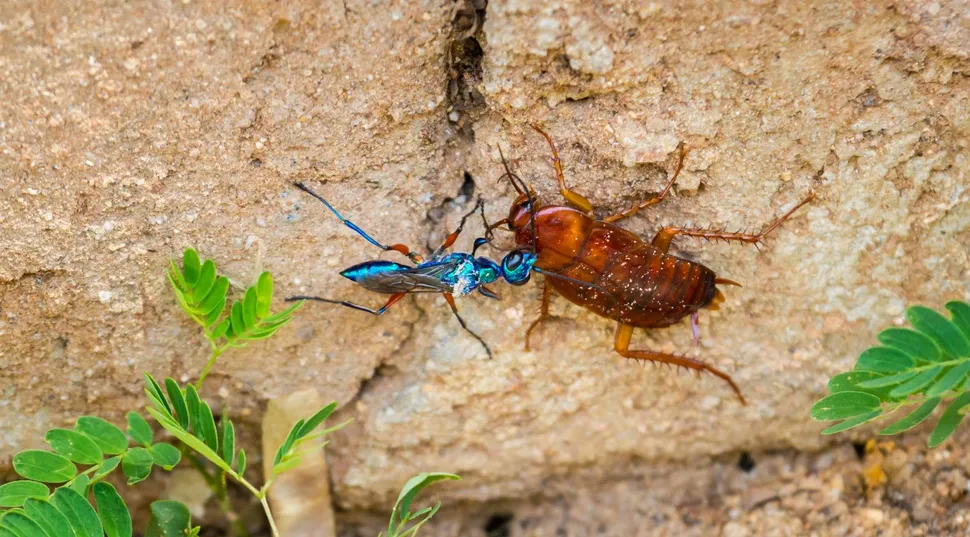
You’ve probably seen a horse -riding video so far, this is what the emerald bee does with a beetle. Of course, the bee makes this ride softer, as it first bits the beetle over the head and enters the beetle’s brain. After the venom has left his effect, he separates one of the beetle’s tentacles and bites the other and directs the beetle to a ready -made nest. The bee has a specific purpose of doing so. The emerald bee eggs into the beetle’s body and then collects special objects to block the entrance to the nest in which the beetle is located so that no other hunter does not find the beetle. When the bees come out of the egg, the beetle becomes a suitable meal for growing bee larvae. They finally release the beetle carcass and leave the nest after they have grown enough.
Studying the mind controller compound, which is a vital stage in this process, gives scientists significant information about neural networks. The key point is that this toxic compound does not paralyze the beetle because it will be difficult to drag it to the nest. Instead, these materials cause the beetle to beat and reduce its inner motivation to move, thereby allowing the bee to control and kill the bee.
Spiders that weave cocoons for their killer
The beetles are not the only creatures that the bees are forcing them to perform their commands. Bees also target spiders! Scorpion bees bite long spiders and cause temporary paralysis of about 5 minutes. During which the bee attaches its larvae to the spider’s belly.
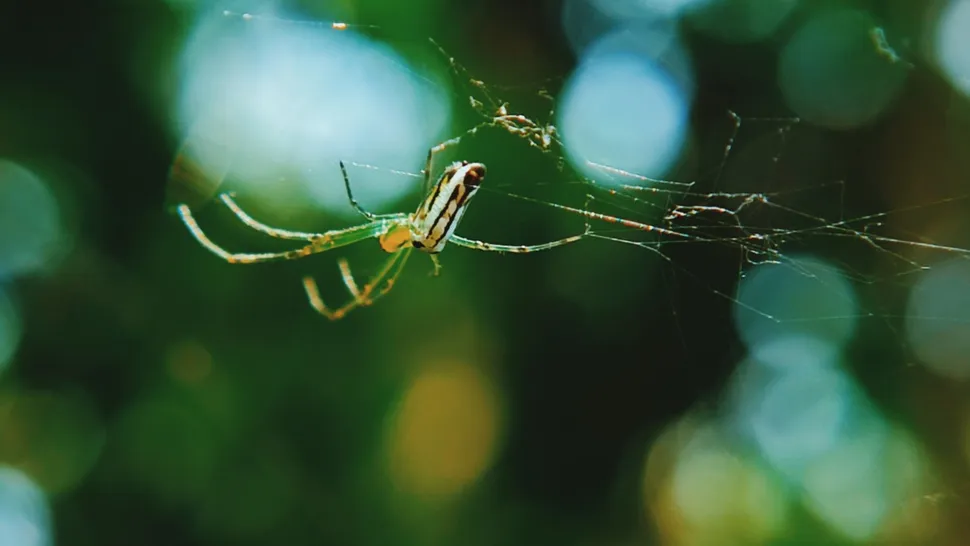
After the paralysis disappears, the spider resumes its normal behavior and builds its regular cords for seven to three days, while the bee’s larvae comes out of the egg and grows by drinking the spider hemolynov, which is an equivalent fluid in blood.
When the bee larvae eventually kills the spider, it is chemically forced to change the style of its usual blur. The spider repeats the first stage of making its blur over and over without doing any of the next steps. The end result is that the spider, instead of breaking a regular thread, provides a small blur that provides silk raw material that the larvae can easily use to wear their cocoon.
After the spiders cut the thread, the bee’s larvae kills and eats it and then wraps the silk cocoon around it to continue to grow for another eleven days. Although it is not clear exactly how the bee larvae controlled the spider behavior chemically, it is considered one of the most subtle disorders of the host’s behavior that only builds the raw material of the bee cocoon by just a little change in how it is made.
Zombie spiders inside the cave
As you read, the spiders are attacked by other insects, but the fungi also go to the bondage. An insidious fungus discovered in Ireland contaminates the spiders inside the caves and changes their behavior to help spread the fungus and bring them to new victims.
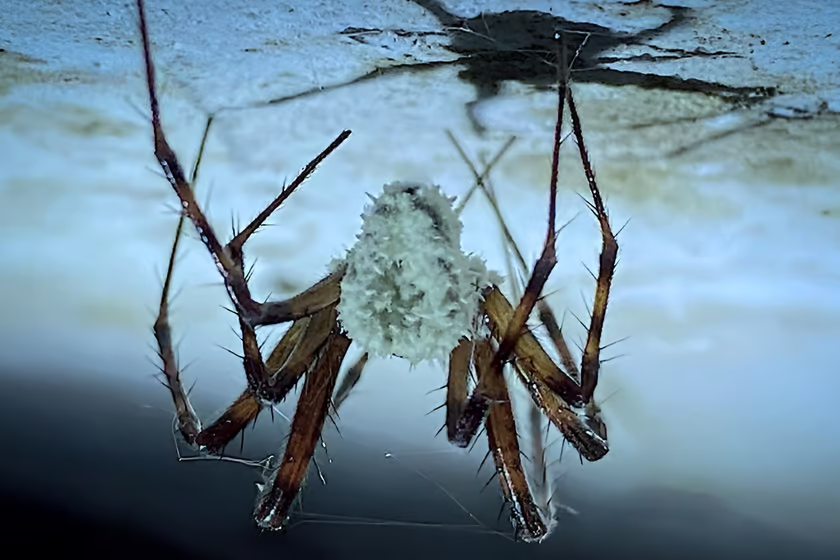
This fungus hacks its host brain and pulls ordinary spiders out of its nests and strings and exposes to a surface. When the spider goes there, he dies and provides a good environment for the fungus until he can release his spheres. Then the airflow of the cave will move them to find new potential hosts, and this scary cycle begins again.
Creams that keep the ponds on water
So far, we have dealt with two of the zombies of animals, in which killing the host helps prepare food to grow and complete the life cycle of parasitic larvae. But sometimes the host’s mind also means returning to the right place so that the parasite can complete its life cycle.
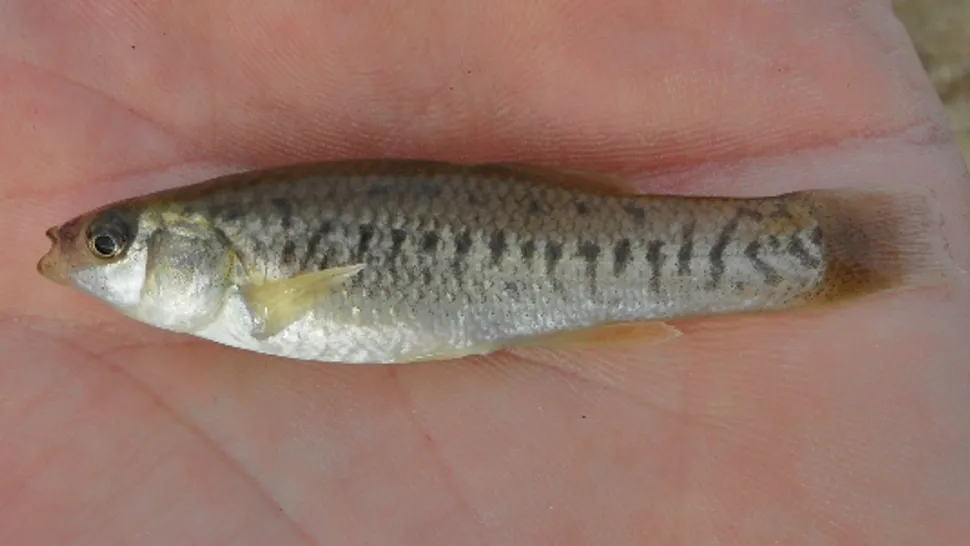
The California Ponds and Euhaplorchis Californiensis are an example of this relationship. Wide creams can live in the pond body, but cannot reproduce there. Therefore, they affect the behavior of the fish to go to the mouths of the birds, where creams are capable of reproduction.
Wide creams regulate the chemistry of the pond brain and change the metabolism of serotonin and dopamine to encourage the fish to perform more risky behaviors. This change means that the fish are closer to the water surface, where they are easily abducted and eaten by bird hunters. Inside the body of the birds, it reproduces the broad cream and forms thousands of cysts and continues to live.
Parasites that put wolves in a position of risk
Another example of parasites that affect the host behavior is the Toxoplasma gondii and gray wolves. Toxoplasma gonadi can live in the wolf’s intestine, but only reproduces in the body of cats.
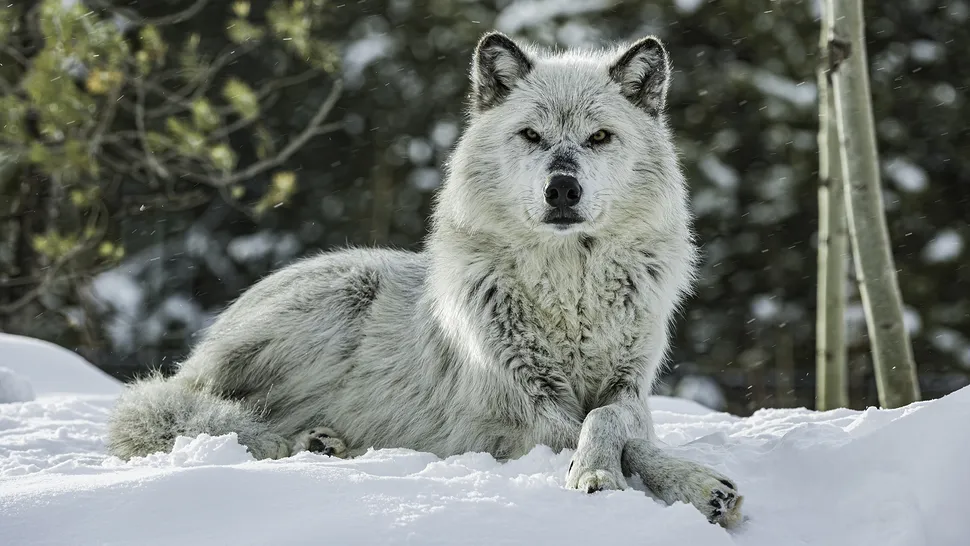
Researchers believe that wolves are exposed to toxoplasma gonadi after eating the stools of infected mountain valves. Infected wolves are likely to show high -risk behaviors, such as leaving their batch to form a new group, or claiming the leadership of the group.
Overall, these behaviors increase the likelihood of two -way transfer from wolves to wolves and wolves.
Leaving the category or challenging the leader in the group is both dangerous behaviors that increase the likelihood of wolf death. Therefore, this is another example of the impact of the parasite on the host’s decision -making that prioritizes the parasite life cycle on the host’s health.
Parasitic
Toxoplasma gonadi or briefly t. Gonadi can also infect mice, but as we said earlier, it only reproduces the cat’s body. T. Gonadi affects at least two ways on mice, which makes them more likely to eat by cats. Such a process allows the parasite to reproduce after returning to the cat’s body.
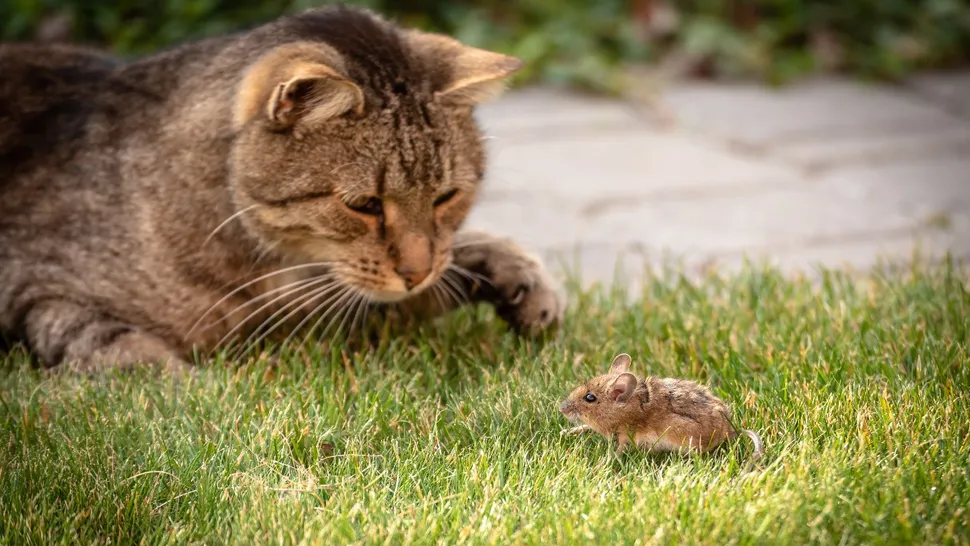
The first is that parasite increases testosterone production in mice and makes them fear less than cats. While it is sometimes important to be brave and less frightened in life, it is much more useful for mice to be afraid of cats!
The second method is that mice naturally hate the cat urine. The smell of the cat’s urine causes them to avoid that area and less contact with the cat. T. Gramsi reverses this natural reaction and instead absorbs the mice’s urine smell. This makes the infected rat contact with the cat.
Interestingly, this behavior in chimpanzees contaminated with T. Gandhi is also found to be attracted to the urine of the leopards, the only natural chimpanzee hunter.
The sacrifice of the ant to reproduce the fungus
If you’ve seen the last survivor of us, you have witnessed a fictional story in which fungi are colonized and turn them into zombies that bite each other to spread fungal infection. However, this design is not quite unlikely, as there are fungal infections that change insects and animals to their advantage.
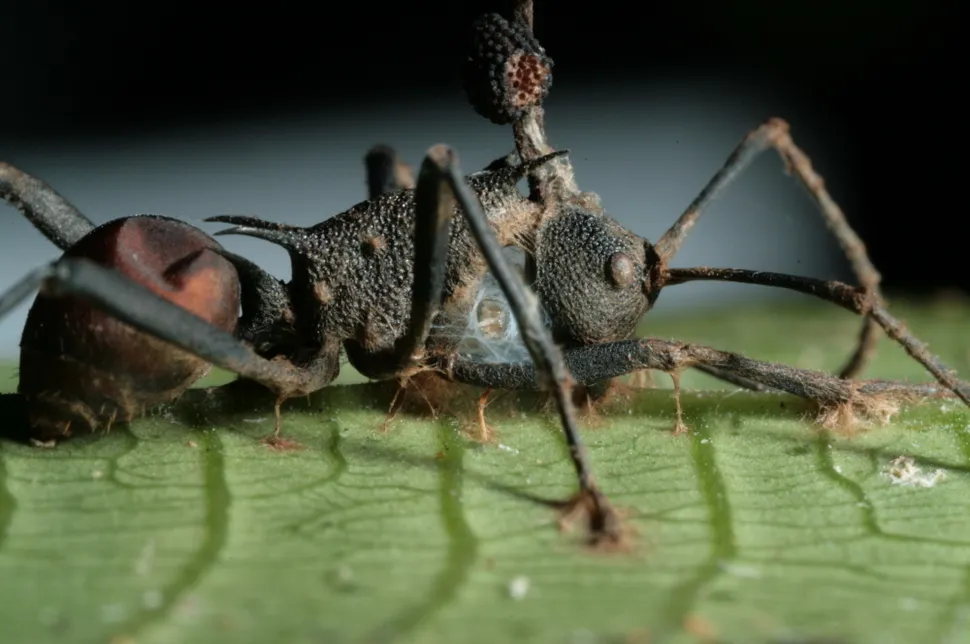
In fact, the real fungus in that story is the OphiocordycePS unilaterali that affects insects. , As, as, A.Yen The fungus contaminates the carpenter ants and directs them to leave their colony and move to the heights by following the light. This usually means that the carpenter’s ant climbs a tree or reaches a high point.
The fungus then produces the sphere that pulls out of the ant and kills the insect and the spores are released. Since the ant is at one point, the stem can distribute the spheres in a broader area, thus making the fungus more effectively spread.
Mushrooms and chains
A different fungus called MassoSpora Cicadina attacks chains that come out of hibernation, destroying their abdomen and leaving a bunch of yellow spheres. The fungus also enhances the desire to produce chains that facilitate the transfer of the fungus to other chains, and the fungus life cycle continues.
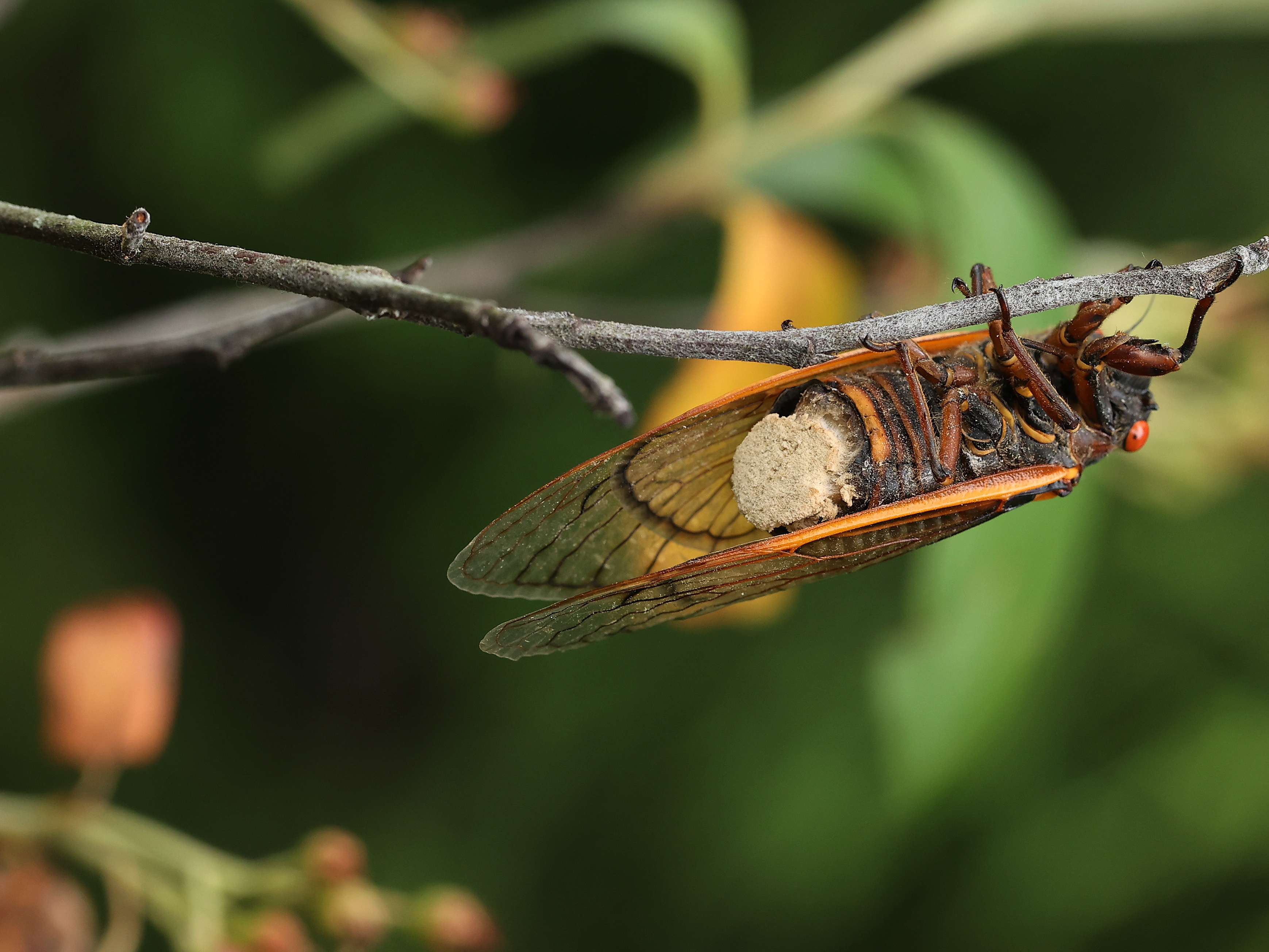
Fungi and frogs
It is not just chains that increase the desire to reproduce by fungi, and frogs also have this change. Batrachochytrium dendrobatidis contaminates different types of frogs and increases the likelihood of placenta.
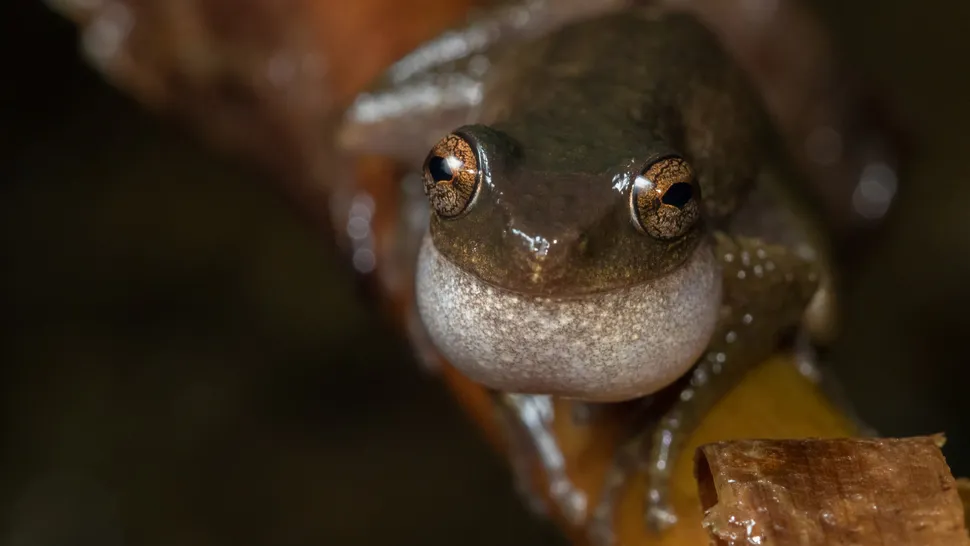
Litoria Rheocola was more likely to seek female placenta at night than non -contaminated frogs. Their efforts resulted because on average contaminated porches were more successful in finding the pair.
Other researchers found that the Japanese Japonica tree frogs, which are infected with the same fungus, mate faster.
In both of these frogs, it is thought that the increase in reproduction rate is associated with an increase in fungus transmission, which is why the fungus activates the productive activities of these frogs.
Crabs that cradle the ship
Another example is a Sacculina Carcina that deceives a female crab to take care of the ship’s children like their baby.
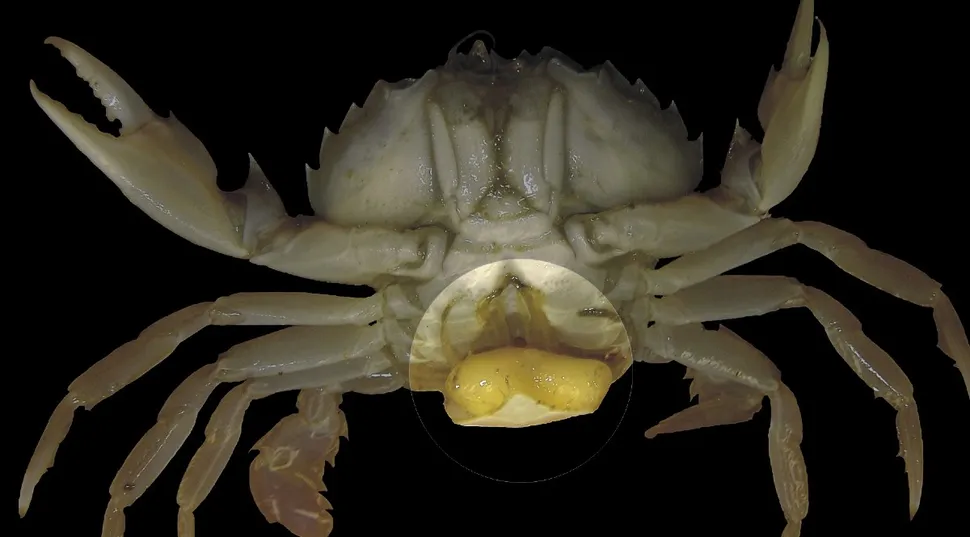
First, the ship finds a soft spot near the joints under the crab belly, which usually carries its infants. He then scalp and sinks into the crab body and grows across the crab to steal nutrients and give it orders. The ship carries the maternal instincts of the crab, so that the crab uses oxygenated water to protect it, nurtures the ship and takes care of it just like its children.
When the ship is in a good position, it creates a hole from the crab shell and absorbs a male ship for reproduction and uses a crab to take care of its children.
Spiders that take silkworms hostage
You may have felt compassion for the spiders we talked about before. But you should know that this can also use other species to achieve its goal. Silk creams emit specific patterns of light to absorb their pairs, and the females remain in the same place and make it new. Spiders have also noticed and used it. Scientists have found that male night creams that are trapped in the spider strands begin to spread light patterns similar to female silk worms, which attracts male night creams and throws them into spider.
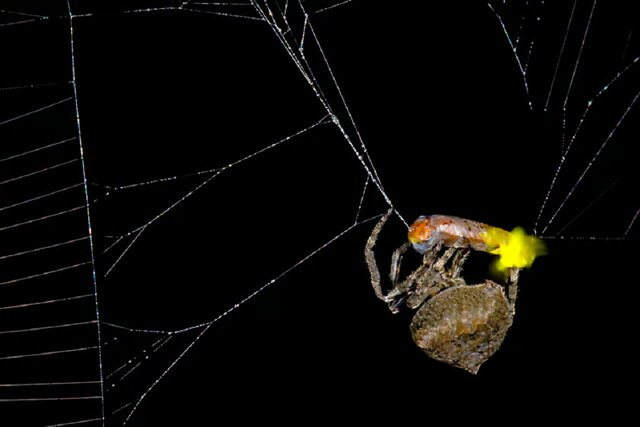
The spider actively controls these signals and runs a specialized cycle of wrapping and biting on nightmares that do not do other insects.
It is still unclear whether biting measures such a reaction or there is a substance in the spider poison that stimulates the release of these signals.
The mechanisms of influence
While the exact details of each of these samples become a zombie are specified in different extent, what is clear in all cases is that the parasite control over the host is done through the chemical communication that changes the brain chemistry.
What is the way to deal?
Researchers say there is no way to protect insects from these fungi, and for example, it can destroy 5 % of the population of soft beetles annually. The microorganisms that cause disease in animals create strategies to maximize their chances of survival by infecting more hosts. Similar cases occur even in humans, where a pathogenic microorganism can affect the human host to help spread and survive.
In this report, we get to know parasites and fungi as well as insects that could turn other insects and even animals into zombies. The impact of these parasites on animal behavior can have serious consequences for biological balance. These phenomena have also helped scientists find out more about the parasite interacting with the host. In the future, further research can help us use this information to control pests or treat diseases. Ultimately, these parasites are a wonderful reminder of the complexity of nature and show that there are many amazing events in the natural realm of animals that we may be unaware of many of them at this moment.
The end of the message
(tagstotranslate) Zombie animals (T) toxoplasma gonadi (T) spider

RCO NEWS