


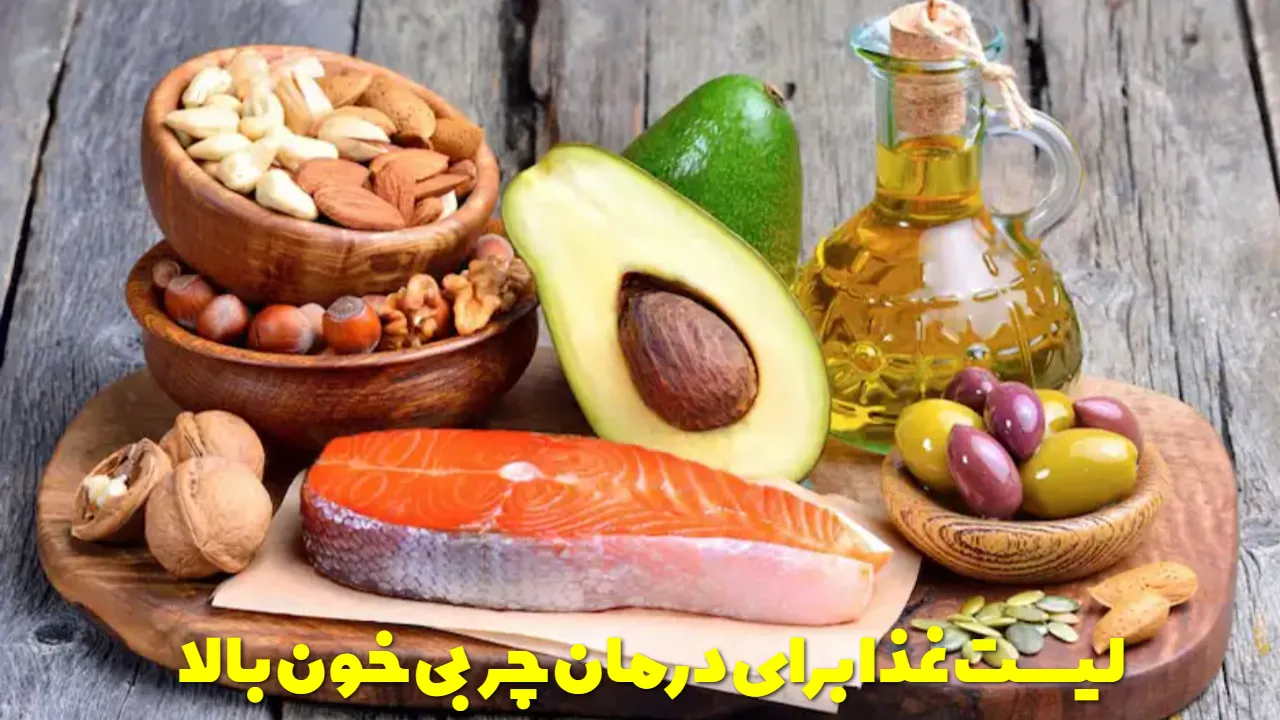
Food list and sample diet for treating blood lipids
In today’s world, high blood fat or hyperlipidemia is one of the most common metabolic problems that can significantly increase the risk of cardiovascular diseases, stroke and blood pressure. Fortunately, lifestyle modification and especially following a proper diet to reduce blood lipids play a key role in controlling and treating this problem. Smart food choices can help reduce bad cholesterol (LDL), increase good cholesterol (HDL) and improve the overall health of the body.
In this article, a list of foods to treat high blood fat is presented, which includes useful, natural and available foods. This diet is designed by focusing on the consumption of fiber, healthy fats, low-fat proteins and antioxidants and can be used as an effective part of the high blood fat treatment program. If you are looking to reduce blood fat by eating healthy and preventing its complications, getting to know these foods will be the first and most important step.
Also read: The first signs of high blood lipids in men
What is high blood fat and why is it dangerous?
Hyperlipidemia is an abnormal increase of fats in the blood, the most important of which are:
- LDL cholesterol (bad cholesterol)
- Triglycerides
- Decreased HDL (good cholesterol)
- An increase in LDL and triglycerides causes fat deposition in the walls of the arteries and greatly increases the risk of narrowing of arteries, heart attack and stroke.
The role of nutrition in the treatment of hyperlipidemia
Nutrition is the most important and effective factor in controlling blood fat. Many people achieve a significant reduction in blood fat only by modifying their diet and without taking drugs. A suitable diet for blood fat should:
- Low fat but nutritious
- Does not contain trans and saturated fats
- Rich in fiber, antioxidants and useful fatty acids
Food list for treating high blood fat
1. green leafy vegetables; The main basis of the blood fat reduction diet
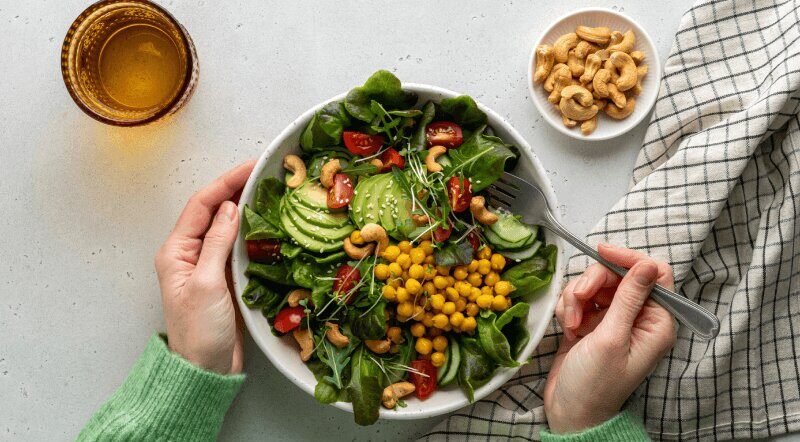
Green leafy vegetables such as spinach, lettuce, parsley, broccoli and kale are among the most important foods for reducing high blood fat. This group of vegetables is rich in soluble fiber, antioxidants, vitamin C, vitamin K and anti-inflammatory compounds that help reduce the absorption of bad cholesterol (LDL) in the intestine. Regular consumption of green leafy vegetables improves liver function, reduces vascular inflammation and prevents the accumulation of fat in the walls of arteries. It is recommended to consume these vegetables raw in salads, steamed or in low-fat dishes.
2. Useful fruits to reduce blood fat
Some fruits play an effective role in regulating cholesterol and improving blood lipids. Fruits such as apples (due to pectin), citrus fruits such as oranges, grapefruits and lemons, all kinds of berries, pomegranates and avocados are among the best choices. These fruits help balance blood lipids by increasing good cholesterol (HDL) and reducing the absorption of fat and cholesterol in the digestive system. Antioxidants in fruits prevent the oxidation of LDL and reduce the risk of heart disease. Daily consumption of 2 to 3 units of fresh fruit is an important part of the diet of people with high blood fat.
Also read: The best tea for high blood fat and its reduction
3. whole grains and whole grains; Reduces cholesterol absorption
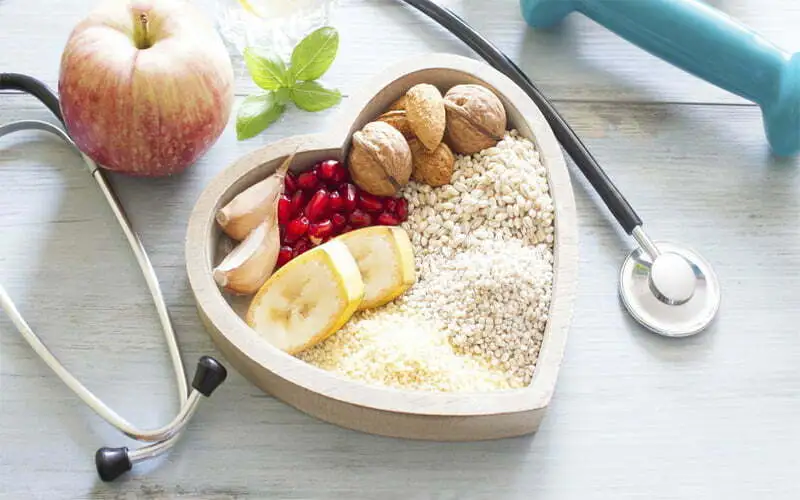
Whole grains such as whole grain bread, oats, brown rice, whole wheat and quinoa play a key role in reducing blood fat. Unlike refined grains, these foods contain high fiber, group B vitamins and minerals that reduce cholesterol absorption in the intestine and control blood sugar. The soluble fiber in oats and brown rice directly lowers LDL. Replacing white grains with whole grains is one of the easiest and most effective ways to improve blood lipids.
4. legumes; A healthy alternative to fatty meats
Legumes such as lentils, chickpeas, pinto beans, red beans and cod liver oil are considered to be the best sources of vegetable protein and fiber and have a significant effect on reducing triglycerides. Regular consumption of legumes reduces the need for fatty meats, reduces bad cholesterol and improves heart health. Legumes also help to control blood sugar due to their low glycemic index, which is very important for people with high blood fat. It is recommended to include legumes in the diet at least 3 to 4 times a week.
5. fatty fish and omega 3; Cardiovascular protector
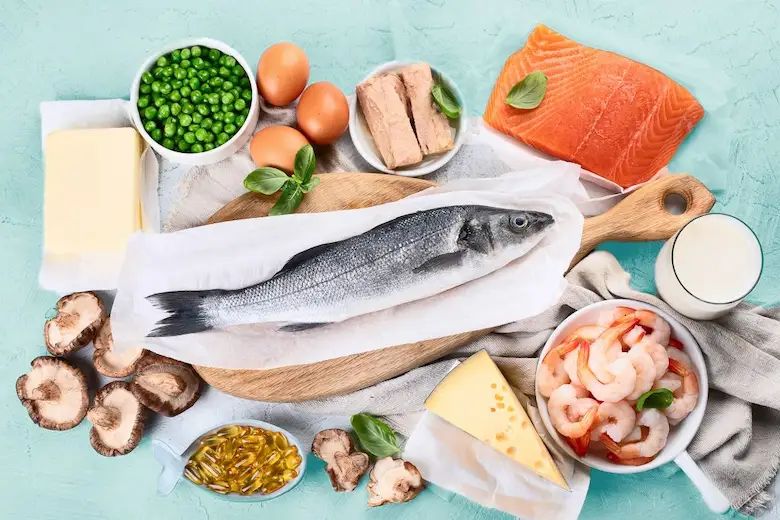
Fatty fish such as salmon, sardines, tuna, and salmon are rich in omega-3 fatty acids, which play an important role in reducing triglycerides, increasing HDL, and reducing vascular inflammation. Omega 3 consumption prevents blood clotting and reduces the risk of heart attack and stroke. To benefit from the properties of these fish, it is better to eat them steamed, grilled or grilled and avoid frying. Consumption of at least two servings of fish per week is recommended for people with high blood fat.
6. Useful oils to reduce blood fat
Choosing the right oil is one of the most important factors in controlling blood fat. Extra virgin olive oil, sesame oil and canola oil are among the useful oils that contain unsaturated fats and help reduce LDL. On the other hand, solid oils, vegetable oil and hydrogenated oils contain trans fat and cause a sharp increase in blood fat and damage to the heart. Using healthy oils in moderation and eliminating harmful oils plays an important role in the success of the blood fat reduction diet.
7. nuts and seeds; Healthy fat with controlled consumption
Walnuts, almonds, flax seeds and chia seeds are rich sources of healthy fats, fiber and antioxidants that can help reduce bad cholesterol and increase good cholesterol. Especially walnuts and flaxseeds have a positive effect on heart health due to their omega-3 content. However, these foods are high in calories and should be consumed in a controlled amount; A small handful a day is usually enough. Excessive consumption of brains can cause weight gain.
8. low-fat dairy products; Providing calcium without increasing fatvan
People with high blood fat should use low-fat milk, low-fat yogurt, and low-salt and low-fat cheese. In addition to providing calcium and protein, low-fat dairy products put less pressure on the cardiovascular system. On the other hand, high-fat dairy products such as cream, butter and fatty cheeses can increase LDL. Choosing low-fat dairy products helps maintain bone health without increasing blood fat.
Also read: home method of reducing blood fat with apple vinegar, water and lemon juice

Harmful foods for hyperlipidemia (which should be eliminated)
- Fast foods
- Sausages and sausages
- Fried foods
- Industrial sweets
- Soft drinks and sugary drinks
- butter and cream
Eliminating or reducing these foods is half the way to treatment.
Diet to reduce blood fat
breakfast
- Whole grain bread + low-fat cheese
- Walnuts (1 piece)
- an apple
- Green tea or pale tea
Morning snack
- A handful of raw almonds
- an orange
lunch
- Brown rice (1 cup)
- Grilled or steamed fish
- Vegetable salad with olive oil
Evening snack
- low fat yogurt
- Ground flax seed
dinner
- Vegetable soup
- Lentils or beans
- whole grain bread (low)
before sleep
A glass of low-fat milk or herbal tea
Also read: properties of sumac for blood fat
Example of diet number 2
This diet is designed for working people with limited time. Breakfast consists of oatmeal cooked with low-fat milk and cinnamon along with a date that provides sustained energy. The morning snack of fresh oranges helps to provide fiber and vitamins. Lunch consists of steamed or grilled skinless chicken with rice, coffee and vegetables, which is a balanced and light combination. Raw almonds are consumed as a snack in the evening, and dinner with low-fat vegetable soup along with a small amount of whole grain bread helps to control blood fat at the end of the day.
Example of diet number 3
This herbal diet is very effective for reducing blood fat. Breakfast consists of whole grain bread with a small amount of flour and grape juice along with green tea. A small banana is consumed in the morning snack. Lunch is lentil pilaf with brown rice and lettuce and cabbage salad with lemon juice, which is high in fiber. Evening snack is seasonal fruit and dinner is pinto beans with mushrooms and vegetables along with a small amount of whole grain bread.
Example of diet number 4
This diet is designed to reduce triglycerides. Breakfast includes boiled eggs, wholemeal bread and cucumber and tomato. Fresh apples are consumed in the morning snack. Lunch consists of steamed or grilled salmon with a small amount of brown rice and steamed vegetables. Evening snack is yogurt with cinnamon and dinner is diet salad with low fat yogurt instead of sauce.
Example of diet number 5
This diet is economical and suitable for the family. Breakfast includes Sangak bread and low-fat cheese with pale tea. An orange or tangerine is used as a morning snack. Lunch is broth-free diet with more legumes and less whole grain bread. Chickpeas or a small amount of raisins are consumed in the evening snack, and dinner is completed with vegetable cocoa prepared in the oven or diet pan along with low-fat yogurt.
Also read: Zucchini properties for fatty liver, blood lipids
Golden tips for the success of the blood fat reduction diet
- Adequate water consumption (at least 8 glasses per day)
- Regular physical activity (30 minutes of walking)
- Avoid overeating at night
- Reduce salt and sugar consumption
- Adequate sleep and stress management
- Steam, boil or grill foods
- Reduce the consumption of white rice and replace it with brown rice
- Dinner should be lighter than lunch
last word
Finally, by following a diet to reduce blood fat and using a food list to treat high blood fat including healthy and low-fat foods, you can effectively control high blood fat and improve cardiovascular health.

RCO NEWS
RCO