


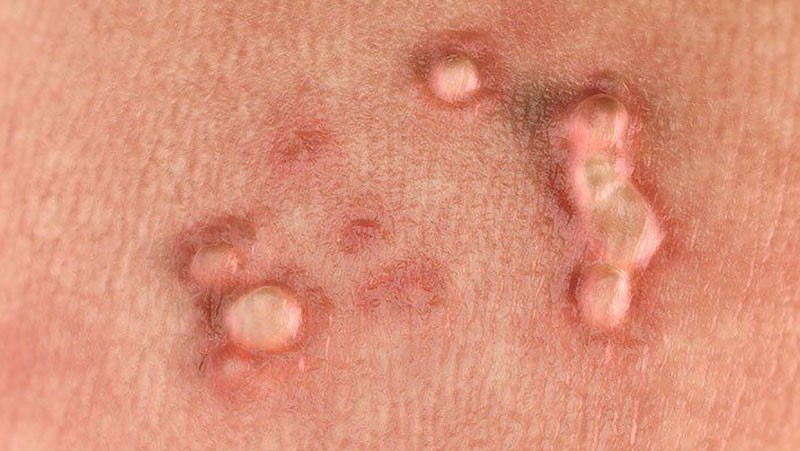
Anal wart or condyloma acuminata is one of the most common sexually transmitted diseases caused by the HPV virus, which is often asymptomatic and is therefore known as the “silent disease of the anus”. These warts can become larger over time and be accompanied by symptoms such as itching, burning, bleeding or pain. Early diagnosis and timely treatment play an important role in preventing the spread of warts and possible complications, including an increased risk of anal cancer. There are various treatment methods such as drug therapy, cryotherapy, laser and surgery depending on the severity of the disease. Also, HPV vaccination and compliance with hygiene and sexual principles are considered to be the most effective ways of prevention.
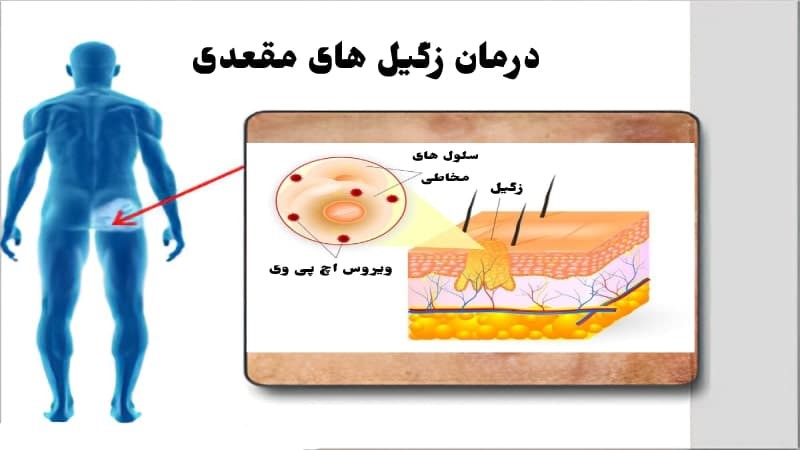
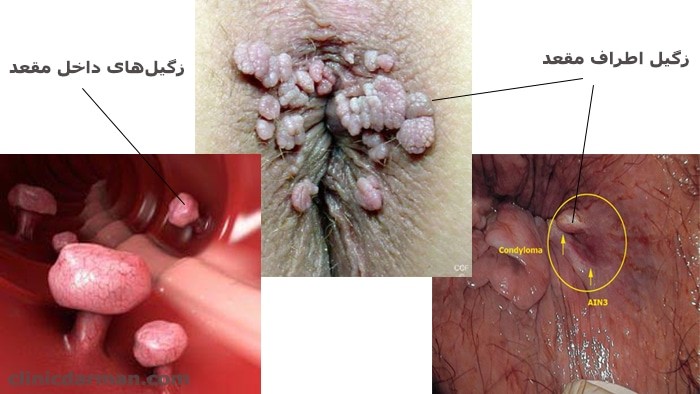
Anal warts are one of the complications caused by the human papilloma virus (HPV), which is known as one of the most common sexually transmitted diseases. These warts usually appear in the areas around and inside the anus and may also spread to the skin of the genital area. At first, these appendages appear in the form of small spots, but over time, there is a possibility of their spread.
Identification and Treatment of anal warts It is of special importance. Although these warts may seem harmless at first, they can cause complications. Therefore, in the following, we will examine different treatment methods and important points.
What is an anal wart?
Anal wart or condyloma acuminata is a benign skin lesion that occurs in or around the anus and is caused by infection with the human papilloma virus.HPV virus) is These warts are usually asymptomatic and therefore known as “silent disease of the anus”. Many people may ignore warts until they grow the news be and realize their existence only by touch or examination.
Signs and symptoms of anal warts
Anal warts may be asymptomatic at first, but in some cases, they cause specific symptoms. Symptoms of anal warts include the following:
● Growth of small masses:
These lumps appear flesh-colored or gray around the anus.
● Itching or burning:
An itchy or burning sensation in the anus can be a symptom of anal warts.
● Bleeding:
Blood during defecation is one of the alarming symptoms that can indicate the presence of warts.
● Discomfort or pain:
Some people may feel discomfort or pain in the anus area.
How to transmit anal warts
Anal warts can easily be passed from person to person, especially through anal intercourse. In this type of relationship, direct contact of the genital areas and anal secretions can transmit the human papilloma virus (HPV). Even in cases where there are no symptoms, the virus may remain in the skin of the genital area and anus, increasing the risk of transmission. Therefore, it is very important to be aware of prevention methods and hygiene in sexual relations.
Prevention of anal warts
To prevent anal warts, strengthening the body’s immune system by injecting the Gardasil vaccine is one of the most effective methods. This vaccine is recommended especially between the ages of 8 and 14 and before starting sexual activities, because it can significantly reduce the risk of contracting the human papilloma virus (HPV) and genital warts. In addition to the vaccine, the use of condoms is also very important; Because it reduces the risk of transmission of infection.
How is an anal wart diagnosed?
Anal wart diagnosis methods are as follows:
● Observation of anal tissue:
The doctor identifies the warts by touching and observing them.
● Citric acid test:
By putting a little vinegar on the wart, its color change to white can be a sign of HPV infection.
Use of anoscope:
This tool is used to examine the inner tissue of the anus more closely and evaluate the possibility of being infected with a virus.
● Pelvic examination:
This step is done to identify anal warts in men and women.
● Pap smear test:
In women, this test is used to check the presence of genital warts and the condition of the cervix.
Anal wart treatment methods
The treatment of anal warts, especially condyloma acuminata, depends on the individual condition and severity of the warts. There are various treatment methods to reduce or remove warts, which include:
1. Drug treatment:
It is common to use topical ointments and creams such as podophyllin and salicylic acid. Oral medications such as imiquimed and azithromycin are also effective in some cases.
2. Cryotherapy:
This method involves using liquid nitrogen to freeze the warts and has few side effects.
3. Laser therapy:
The use of CO₂ laser is highly accurate and causes less damage to the surrounding tissues.
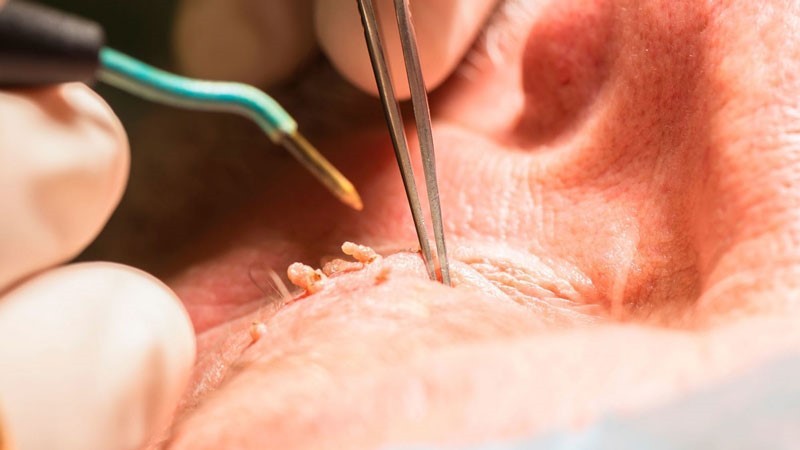
4. Electrocautery:
This method removes warts using electric current.
5. Incisional surgery:
It is suitable for more severe warts that have not been treated by other methods.
Home treatment for anal warts
Although medical treatments are usually the main options, some home remedies can also help relieve symptoms. One of the effective ways is to consume useful foods such as turmeric, pineapple and vegetables such as broccoli, which also help to strengthen the immune system. However, it is very important to consult a doctor; Because home remedies only serve as a supplement to treatment.

The difference between anal warts and other anal problems
Anal warts and hemorrhoids are two different anal problems. Anal warts are caused by HPV infection and are easily passed from person to person, especially during sexual intercourse. Conversely, hemorrhoids are caused by pressure on the blood vessels in the anus and are not contagious. These two problems have their own prevention and treatment methods that are very effective in managing and improving the condition of patients.
Symptoms of anal warts in women
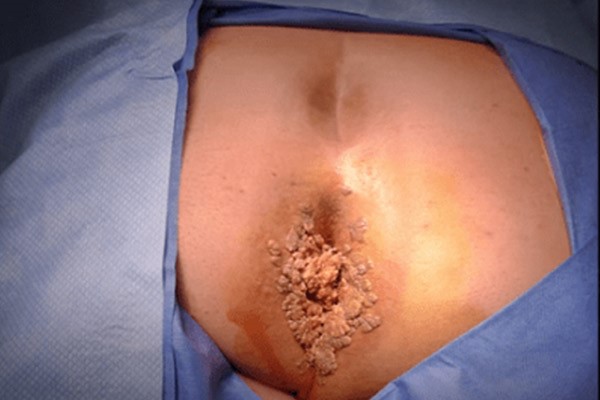
Anal warts in women usually appear as small, soft bumps in or around the anus and may be colored. coffee They should be pink or blue. Also, their shape can be similar to cauliflower. Women may feel itching, burning or discomfort in these areas, which becomes annoying when sitting or doing daily activities.
Symptoms of anal warts in men
Anal warts in men can be associated with various symptoms that are very important to identify. Bleeding, pain and severe itching in the anal area are common symptoms. Also, burning during defecation and numbness or tingling may also occur. In some cases, the warts can be large enough to cause difficulty in defecation, so it is necessary to pay attention to these symptoms.
Are anal warts dangerous?
Anal warts caused by human papillomavirus (HPV) infection are not dangerous in themselves and usually do not cause any symptoms. But neglecting these warts and not treating them can have serious consequences. If a person does not see a doctor in time, the warts may grow larger or spread to other areas and cause more discomfort.
In addition, some types of HPV can lead to anal cancer. Therefore, it is very important to be aware of the symptoms and see a doctor early.
Life after anal warts treatment
Life after anal wart treatment can continue with more peace and confidence. Ensuring that the genital area is healthy and not worrying about wart symptoms allows a person to communicate with their partner with more confidence, especially when they get rid of annoying symptoms such as itching and discomfort.
It is worth noting that observing health principles and conducting regular examinations can prevent the occurrence of similar problems in the future, so it is very important to pay attention to these points in life after treatment.
When should we see a doctor?
Seeing a doctor about anal warts is an important action that should be taken on time. If you notice unusual bumps, itching or burning in the anal area, it is better to see a doctor as soon as possible.
In addition, if the warts grow quickly or are accompanied by bleeding, you should not ignore them. Medical advice can prevent more serious complications.
conclusion
Genital warts or condyloma acuminata are one of the most common and worrying infections caused by the HPV virus that can appear in the genital and anal areas. These warts may be associated with symptoms such as pain, itching, and bleeding, and if left untreated, increase the risk of recurrence and secondary infections.
Some warts may heal on their own, but neglecting timely treatment can lead to more serious complications. Therefore, preventive vaccination, timely diagnosis and prompt treatment are of particular importance.
Frequently asked questions
What is an anal genital wart and how is it caused?
It is the result of HPV infection and appears as small lumps or soft bumps.
Are anal warts painful?
It is often painless, but irritation or infection may cause discomfort.
What are the treatments for anal warts?
Options include topical creams, freezing, lasers, and surgery, depending on the size and location of the wart.

RCO NEWS
RCO