


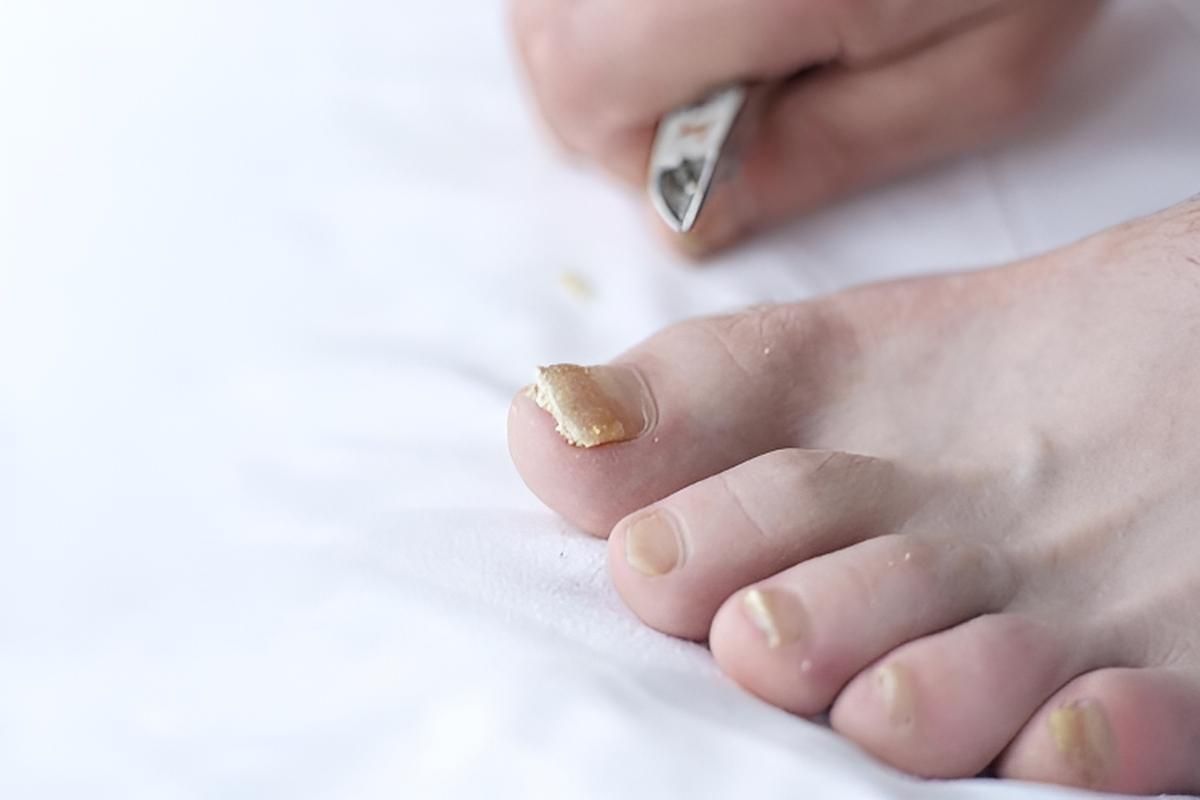
Nail fungus or onychomycosis is one of the most common nail diseases worldwide that can affect fingernails or toenails, although it is more common in toenails. This disease usually appears in the form of discoloration, thickening, brittleness, and sometimes the nail detaches from its bed. Although nail fungus may appear to be only an external problem at first, if left untreated, it can cause pain, discomfort, secondary infections, and reduced quality of life. Knowing the causes of nail fungus is the first step in the prevention and effective treatment of this disease.
What is nail fungus?
Nail fungus is an infection caused by microorganisms such as dermatophytes, yeasts, and molds. These fungi grow in warm, moist and dark environments, and toenails provide an ideal environment for them due to being in shoes for a long time. When the fungus penetrates under or into the nail, it becomes more difficult to treat, because the drugs have a hard time reaching the site of infection.
The most important factors and causes of nail fungus
Nail fungus is usually not the result of a single factor, but a combination of environmental conditions, physical condition of the person and daily habits play a role in its occurrence. In the following, the most important causes and underlying factors of nail fungus are examined on a case-by-case basis.
1. Humidity and wet environments
One of the most important causes of nail fungus is the constant exposure of feet or hands to humid environments. Prolonged use of closed shoes, non-cotton socks, excessive sweating of the feet and not properly drying the feet after washing, all create ideal conditions for the growth of fungi. Swimming pools, public bathrooms, and locker rooms are also common sources of fungal transmission, as fungi can survive on wet surfaces for long periods of time.
2. Weakness of the immune system
The immune system plays an important role in fighting fungal infections. People with a weak immune system are more susceptible to nail fungus. Diseases such as diabetes, HIV, cancer, or taking immunosuppressive drugs (such as corticosteroids or chemotherapy drugs) can increase your risk. In these people, even a mild fungal infection can progress quickly.
3. Nail damage
A blow or injury to the nail, even if it is minor, can open the way for fungi to enter. Cracking, breaking or separating part of the nail makes it easier for fungi to penetrate the nail bed. Athletes, especially runners or people who wear tight shoes, are more prone to this type of injury.
4. Failure to observe personal hygiene
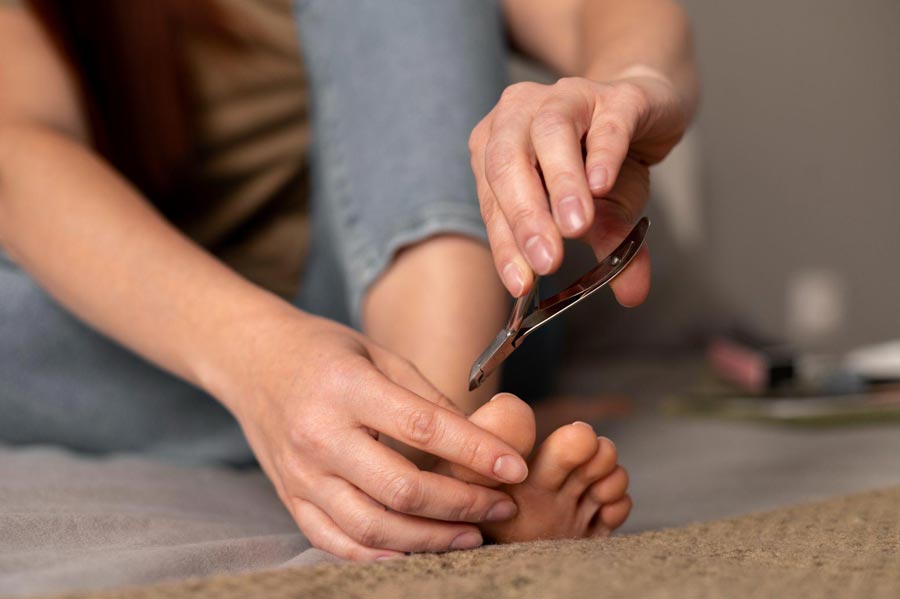
Poor nail hygiene is another major cause of nail fungus. Not cutting nails regularly, not cleaning under nails, sharing nail clippers, files or towels with others can facilitate the transmission of the fungus. Also, using nail polish continuously without resting the nail can create a closed and moist environment for the growth of fungus.
5. aging
With age, the growth of nails slows down and the blood flow in the organs decreases. This causes the nails to become thicker and more fragile, and their resistance to fungal infections decreases. For this reason, nail fungus is more common in older people and usually takes longer to treat.
6. underlying diseases
Some diseases such as diabetes, vascular diseases and hormonal disorders can increase the possibility of nail fungus. In diabetic patients, reduced blood circulation and nerve damage cause infections to be diagnosed later and spread faster. For this reason, nail fungus in these people should be taken seriously.
7. Using inappropriate shoes and socks
Tight, plastic or non-ventilated shoes trap heat and moisture. Synthetic fiber socks also increase sweating. This provides an ideal environment for the growth of fungi. Choosing the right shoes and cotton socks plays an important role in preventing nail fungus.
8. The role of pools and public places
Walking barefoot in swimming pools, saunas, public baths and gyms is one of the most common ways to transmit nail fungus. Fungi can enter the body through very small cracks in the skin. Using personal slippers in these places is a very effective preventive measure.
Treatment and prevention of nail fungus
Treatment of nail fungus can include topical medications, oral medications, or a combination of both, depending on the severity of the infection. In the early stages, the use of antifungal solutions and varnishes can be very effective. One of the options that have been considered in this field, Harand’s anti-fungal nail solution is This solution is used topically and by penetrating the nail tissue, it helps inhibit the growth of fungi. Regular use and according to the instructions, along with hygiene and keeping the nails dry, can speed up the healing process.

Of course, it should be noted that the treatment of nail fungus usually takes time and requires patience and follow-up. Stopping the treatment early, even if the appearance of the nail improves, can cause the infection to return.
conclusion
Nail fungus is a common disease that is caused by various factors such as humidity, weak immune system, nail damage, aging and not observing personal hygiene. Knowing these factors helps us to prevent this disease by modifying our lifestyle and following health tips. In case of infection, early diagnosis and the use of appropriate treatments such as antifungal solutions, including Herand’s nail antifungal solution, can play an important role in controlling and successfully treating the disease. Paying attention to the health of the nails is very important not only in terms of beauty, but also in terms of the general health of the body.

RCO NEWS
RCO