


Prostate causes and treatment methods
Prostate is one of the most common problems of men, especially in the middle-aged and old age, and many men have the question of what is the reason for having prostate and how is it treated? Prostate enlargement, prostatitis or prostate cancer can be caused by factors such as aging, hormonal changes, unhealthy lifestyle and family history. Knowing the causes of prostate disease and knowing the methods of prostate treatment play an important role in the prevention, early diagnosis and control of this disease. In this article, we will scientifically and practically examine why the prostate is created and what are the most effective ways to treat the prostate so that you can maintain your health by taking timely action.
Today in Alamo, the article titled What is the cause of prostate cancer and how is it treated? you can see
Also read: What to eat to treat prostate
What is the cause of prostate cancer?
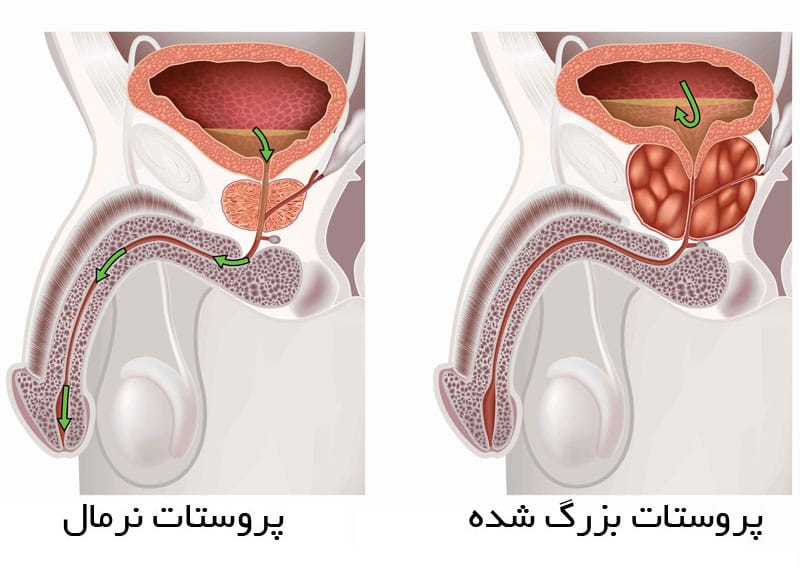
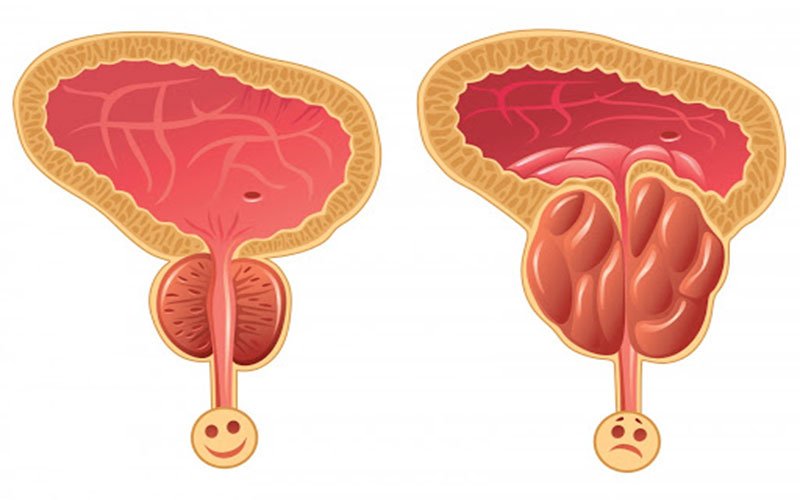
The reason for prostate cancer is usually a combination of aging, hormonal changes, genetics and lifestyle. The most common prostate problem is benign prostatic hyperplasia (BPH), which often occurs after the age of 50, but prostatitis and prostate cancer can also occur. The most important causes of prostate problems are:
Aging and hormonal changes
With age, the balance of male hormones, especially testosterone and DHT, changes. These changes cause the abnormal growth of prostate cells and its enlargement, and it is considered the main cause of prostate disease.
Genetics and family history
If your father or brother had prostate diseases, you are more likely to get it. Genetics play an important role in prostate enlargement or even cancer.
Unhealthy diet and wrong lifestyle
High consumption of fatty foods, fast food, red meat, inactivity, obesity, smoking and alcohol can cause chronic inflammation and increase the risk of prostate diseases.
Also read: how and how much to consume pumpkin eggs per day for the prostate
Inflammation and chronic infections
Frequent urinary infections or long-term prostate inflammation (prostatitis) can cause prostate enlargement and dysfunction.
Overweight, diabetes and metabolic syndrome
Obesity and diabetes are important causes of prostate problems by disrupting the hormonal balance and increasing body inflammation.
To put it simply, old age is the main cause of prostate cancer, but hormones, genetics and an unhealthy lifestyle aggravate this process. Early diagnosis with PSA test, examination and ultrasound is the best way to prevent serious complications and start timely prostate treatment.
How is the prostate treated?

The treatment of prostate diseases depends on the type of problem, the severity of the symptoms, the age of the patient and the general state of health. In general, prostate treatment methods are divided into three main categories:
Treatment of benign prostatic hyperplasia (BPH)
Benign prostate enlargement is one of the most common problems in men, especially after the age of 50, and is usually accompanied by frequent urination, a feeling of incomplete emptying, and weak urine flow. Drug therapy is the first treatment step and includes drugs such as alpha blockers to relax the prostate and bladder muscles and 5-alpha reductase inhibitors to gradually shrink the prostate. If the drug is not effective, minimally invasive methods such as prostate laser, microwave or water vapor therapy are used, which are usually outpatient and have less side effects. In severe and advanced cases, surgery including transurethral resection of the prostate (TURP) or removal of part or all of the prostate is performed, which is the most effective method to reduce severe symptoms.
Treatment of inflammation of the prostate (prostatitis)
Prostatitis can be acute or chronic and is usually associated with pain, burning and urinary problems. If prostatitis is infectious, antibiotics are prescribed for a few weeks to kill the bacterial cause. To reduce pain and inflammation, anti-inflammatory drugs and painkillers are used. In chronic cases, complementary measures such as pelvic floor physiotherapy, prostate massage and lifestyle modification can help reduce symptoms and improve quality of life.
Prostate cancer treatment
Prostate cancer treatment depends on the stage of the disease and its growth rate. In low-risk and slow-growing cancers, active surveillance with PSA testing and periodic examinations is sufficient, and immediate treatment is not required. In cases limited to the prostate, prostatectomy surgery is recommended to completely remove the prostate. Also, radiation therapy in the form of external radiation or brachytherapy is used to destroy cancer cells. In some patients, hormone therapy is prescribed to reduce male hormones and slow down the growth of cancer, and in advanced stages when the cancer has spread, chemotherapy helps to control the disease.
Also read: properties of lips for prostate and male sperm
What to eat to treat prostate
Prostate health is much better with proper nutrition. Foods rich in antioxidants, zinc, omega-3 and vitamin N can reduce the risk of prostate enlargement, inflammation or even cancer. Research shows that a healthy diet plays a big role in prevention. Here we introduce the best foods simply.
Tomato and its products
Tomatoes are rich in lycopene, which is a strong antioxidant for the prostate. Lycopene reduces the risk of prostate cancer. Cooked (tomato paste or sauce) is better absorbed. Eat 2-3 tomatoes or tomato sauce daily.
Fatty fish like salmon
Fish such as salmon, sardines and salmon are full of omega-3, which reduce prostate inflammation and slow down the growth of bad cells. Eat fish 2-3 times a week.
Also read: The best time to take Protral capsules for prostate

Green vegetables
Broccoli, cabbage, spinach and broccoli have anti-cancer substances and remove toxins. Eat a plate of leafy greens daily.
Nuts and seeds
Walnuts, almonds, pumpkin seeds and sesame are sources of zinc, which is essential for prostate function. Eat a handful of nuts daily.
Other useful foods
- Fruits like pomegranate, berries and watermelon (high antioxidant).
- Green tea (contains anti-cancer catechins).
- Legumes such as beans and lentils.
- Olive oil instead of unhealthy oils.
Avoid these
Too much red meat, high-fat dairy, fast food, sugar and processed foods increase inflammation.
What medicine should we take to treat prostate?
Medication is the most common and first method of treating mild to moderate symptoms of benign prostatic hyperplasia (BPH). These drugs usually help to improve the flow of urine and reduce the frequency of urination by reducing the pressure on the urethra.
Alpha blockers
This group of drugs relaxes the muscles of the prostate and the lower part of the bladder, making it easier to pass urine. The effect of these drugs is usually fast and they are suitable for people whose prostate has not yet grown too much.
Common drugs of this group include:
- Alfazosin (Uroxatral)
- doxazosin (Cardura)
- Tamsulosin (Flomax)
- Silodosin (Rapaflo)
- terazosin
Possible side effects: dizziness, ejaculation disorders (return of semen to the bladder), decreased libido or temporary urinary problems.
Tadalafil
Tadalafil, which is best known for the treatment of erectile dysfunction, according to studies, can also help reduce the symptoms of prostate enlargement and in some patients, it can improve erection and urination at the same time.
Other drugs used in prostate diseases
Depending on the type of disease (especially prostate cancer), the doctor may prescribe specialized medications, including:
- Abiraterone acetate
- Apalutamide
- Bicalutamide (Cazodex)
- Darulothamide
- Degarlix
- Docetaxel
- Cabazitaxel
Note: Some drugs and supplements may interact with each other. Even before use, consult a urologist or pharmaceutical consultant.
The role of vitamin D in prostate health
Research shows that vitamin D can prevent the abnormal growth of cells and play a supporting role in preventing prostate diseases, especially prostate cancer. Vitamin D deficiency may increase the risk of prostate problems.
Definitive prostate treatment medicine
Currently, there is no drug that can completely cure prostate disease, but some drugs can slow down the disease process and reduce the symptoms significantly.
For example, docetaxel (Taxotere), which is usually prescribed together with prednisone, helps to control the disease and reduce symptoms in advanced cases of prostate cancer.
last word
In general, the reason for prostate disease is mostly related to aging, hormonal changes, genetics and unhealthy lifestyle, and ignoring the early symptoms can cause the disease to progress. With timely diagnosis and choosing the appropriate method of prostate treatment including drug therapy, lifestyle modification or advanced medical treatments, prostate symptoms can be controlled and its serious complications can be prevented.

RCO NEWS
RCO