



Eating dates with skin
Persimmons are one of the popular autumn fruits that many people have doubts about: should we eat persimmons with or without the skin? This question is very important, because persimmon skin has many properties and benefits, but in some situations it can also cause problems. Eating dates with the skin allows you to benefit from the high fiber, vitamins and antioxidants found in the skin of dates, which help improve digestion, reduce inflammation and strengthen the immune system.
On the other hand, for people who have a sensitive digestive system or the skin of dates is immature and gassy, eating the skin may cause stomach upset. In this article, we will examine the properties of eating dates with the skin, its benefits and harms, and provide practical tips for safe and healthy consumption of dates so that you can make the best decision in choosing dates with or without skin.
Today in Alamo, the article titled should we eat dates with skin or without skin? What are the advantages and disadvantages of eating dates with skin? you can see
Also read: Is persimmon hot or cold? Do dates cause constipation?
Should we eat dates with skin or without skin?
Persimmons are sweet and nutritious autumn fruits that many people have questions about using with or without skin. The general and sure answer is: it is better to eat persimmons without the skin.
The main reason for this recommendation is the existence of a substance called tannin in the skin and core of persimmons, which is especially abundant in unripe fruits. Tannin reacts with stomach acid and food proteins and may cause a hard mass called bezoar in the stomach or intestines. This mass can block the digestive tract and in severe cases require surgery. Even healthy people, the elderly and children may face digestive problems if they eat unripe persimmon skin. By removing the skin of a persimmon, the risk of stomach upset and stomach problems is completely reduced, and you can benefit from the natural properties of the fruit such as vitamins, fiber and antioxidants without worrying. For safe consumption, always choose ripe, soft and sweet persimmons and remove the thin or thick skin.
Also read: Are dates good or bad for colds, coughs and fevers?
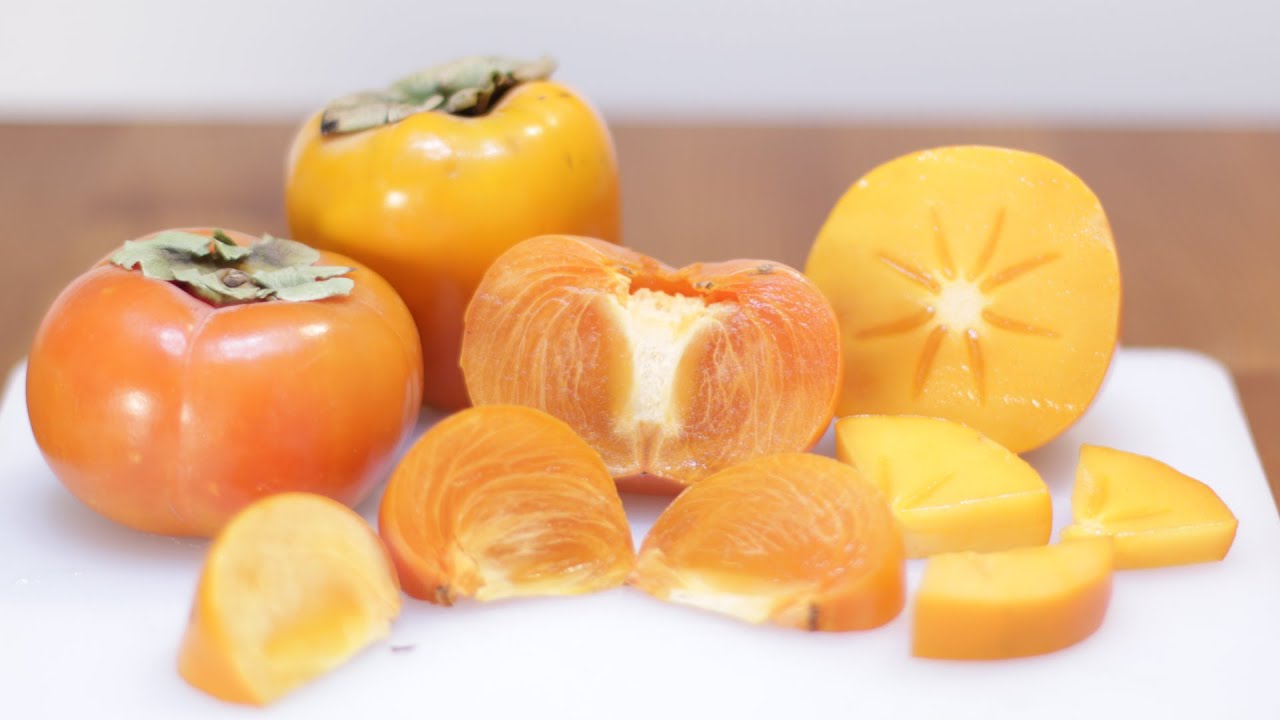
So when can you peel dates?
It is almost safe in only two cases (but still not recommended):
1. Perfectly ripe persimmons of sweet and non-gassy type that you do not feel any gas in your mouth when you eat it.
2. The skin is very thin and mash the fruit completely (like a smoothie with a strong blender).
Even in this case, most Iranian gastroenterologists and the Japanese Gastroenterology Association say: remove the skin as a precaution.
Bottom line: Eat persimmons without the skin. This is the easiest, safest and most reliable method. Peeling takes 10 seconds, but it may save your life.
What is the benefit of eating dates with skin?
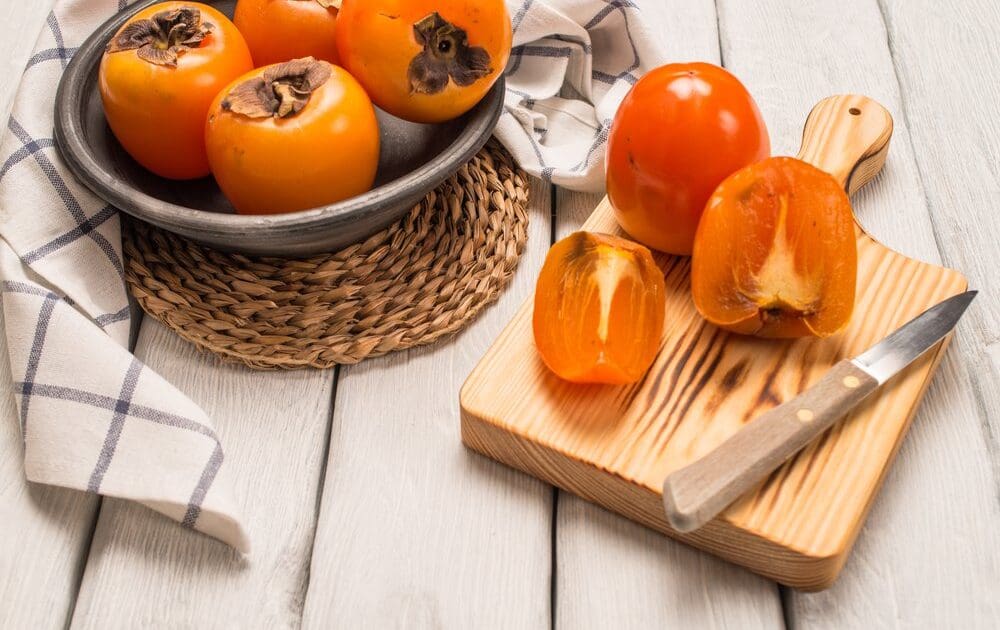
Eating persimmons with skin can have a significant effect on the health of the body, because most of the fiber and nutrients of the fruit are concentrated in its skin. The most important benefits of eating dates with skin are:
More fiber and better digestion
Persimmon skin provides about 20-30% of the total fiber of the fruit. This extra fiber helps to improve bowel movements, prevent constipation, control blood sugar and make you feel full longer.
A stronger antioxidant
Persimmon skin is rich in polyphenols, flavonoids (such as quercetin and kaempferol), carotenoids and vitamin C. These compounds reduce body inflammation, protect cells against oxidative damage, prevent premature aging of the skin, and reduce the risk of heart diseases.
More vitamin A and E
Beta-carotene and vitamin E are mainly concentrated in the skin. Therefore, consuming dates with the skin is more effective for eye health, brightening the skin and strengthening the immune system.
Additional minerals and potassium
Persimmon skin has a significant amount of potassium and other minerals that help regulate blood pressure, body hydration and better muscle function.
But in these cases, do not eat with the skin at all:
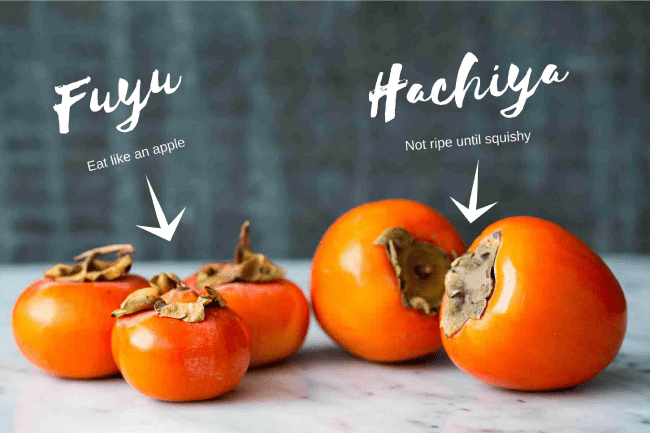
- Gas persimmons (such as Hachiya variety) or unripe: the skin is bitter and has very high tannin.
- If you have a history of digestive problems, stomach surgery, or slow stomach movements: even a seed with skin can cause obstruction (diuresis).
- High consumption (more than 2-3 per day): Tannin can irritate the stomach even in ripe fruit.
Also read: properties of dates for men, intestines and liver, skin and hair and pregnancy
In short, eating persimmons with the skin provides more fiber, vitamins, antioxidants and minerals to the body and helps the health of the heart, eyes, skin and digestive system, provided that the fruit is fully ripe and the skin is clean.
What is the harm of persimmon skin?
Persimmon skin is rich in a substance called tannin, which combines with acid and proteins in the stomach and causes serious problems. These losses are mostly seen in unripe fruits, gas types (such as Hachiya) or high consumption (more than 1-2 pieces per day). In the following, the main complications are:
- Formation of a hard mass in the stomach (indigestion or stomach stones): the tannin of the skin hardens in the stomach and forms an indigestible mass (sometimes the size of a tennis ball). This mass blocks the outlet of the stomach or intestine and can lead to surgery. Studies in Japan and Iran show that more than 85% of stomach obstruction cases come from eating persimmon skin, especially in the elderly or those who have had stomach surgery.
- Constipation and digestive problems: tannin slows down the intestines, causes severe constipation, bloating, gas and a feeling of heaviness. If you have chronic constipation, date skin makes it worse and can even lead to stomach ulcers or intestinal bleeding.
- Abdominal pain, nausea and vomiting: eating with the skin (especially fasting) irritates the stomach and causes symptoms such as severe pain, nausea and vomiting. This problem is more common in people with sensitive stomach.
- Intestinal obstruction: Masses of tannin can travel to the intestine and block it, which causes symptoms such as feeling full after eating little, sudden weight loss, and fatigue.
- Other side effects in special cases: In diabetics, sugar on the skin can raise blood sugar. Also, it may cause skin allergies (itching, redness) or low blood pressure, especially if you eat too much.
Also read: What can be made with very ripe or crushed dates?

Important note: these side effects are rare, but real gastroenterologists (such as Mashhad University of Medical Sciences) recommend to always remove the skin, choose ripe fruit and eat no more than 1-2 fruits per day. If you have gastrointestinal symptoms, go to the doctor immediately. With this, enjoy the benefits of dates without worry.
last word
To answer the question, should we eat persimmons with or without skin? The best advice is to eat the ripe and soft fruit without the skin to minimize the benefits and harm of eating dates with the skin. If the skin of a persimmon is unripe or hard, it can cause digestive problems and the formation of a mass in the stomach, but the fruit without the skin still has all the benefits of fiber, vitamins and antioxidants. So for safe and healthy consumption, always eat persimmons without the skin to enjoy its benefits and avoid possible risks.

RCO NEWS
RCO