

In the world of nature tourism, beauty and peace are hidden in one step of danger. 90% of us are the type of people who start our trip with excitement, but end up with a backpack that’s too heavy, blisters that make it impossible to walk, or worse, the risk of frostbite. The problem is not in the difficulty of the path, but in choosing the wrong tools and trusting stereotypes.
We think we’ve ensured our safety by buying the most expensive equipment or carrying everything we have at home, but the truth is: a small mistake in choosing shoes or a simple oversight in the navigation system can be the difference between a lasting memory and a serious crisis.
This is not just a list; A survival checklist that exposes the 10 most common and fatal mistakes that backpackers make, and for each, it introduces life-saving and smart alternatives. It’s time to take extra knowledge instead of carrying extra weight and make your next trip a safe and professional adventure.
Ready to break and rebuild the 10 golden rules of safe hiking?
Fatal mistakes in choosing nature equipment (along with life-saving solutions)
1. 👟 Choosing inappropriate or new shoes
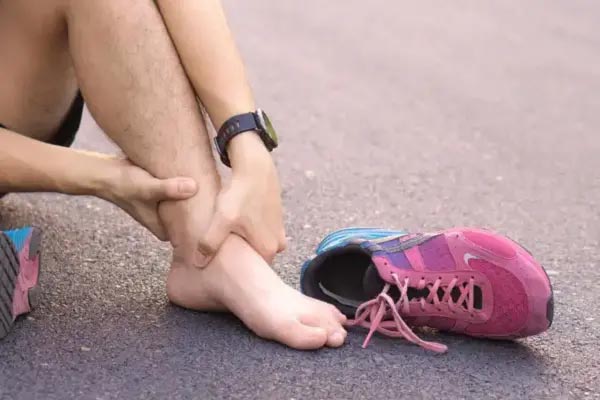
- Fatal mistake: wearing regular sports shoes or heavy work shoes or worst of all, brand new, untested shoes on long runs.
- Why is it fatal? Ill-fitting shoes can cause severe blisters, ankle injuries on uneven surfaces, and knee pain. Large blisters can completely destroy your ability to walk and get out of an emergency. New shoes are also blistering and do not have the necessary flexibility.
- A lifesaver alternative: a pair of trekking shoes or Suitable shoes for hiking that is suitable for your route (light for walking, or leggy for the mountains) and you must have walked with it for at least a week before the trip so that it adapts to your feet.
2. 🎒 Backpack: Carrying too much weight
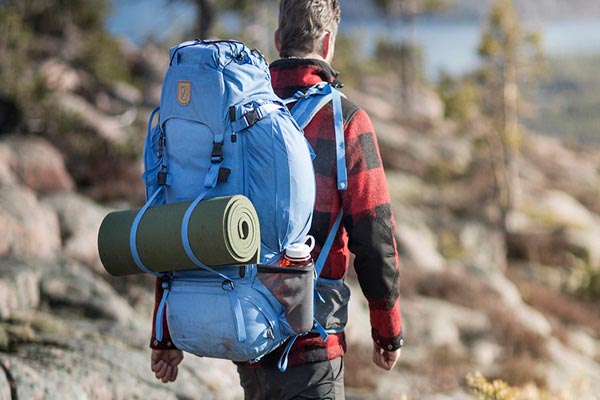
- Fatal mistake: loading the backpack with unnecessary items (such as books, too many clothes) and as a result carrying more than 20% of the body weight and not adjusting the straps correctly.
- Why is it fatal? Excess weight causes premature fatigue, a sharp decrease in speed and mobility. Constant pressure on the back and shoulders leads to the risk of chronic injuries as well as the inability to move quickly when faced with danger.
- Lifesaving alternative: choose a backpack with the right size for the length of the trip (eg 35-45 liters for one night), and learn to fine-tune the waist and shoulder straps so that 70-80% of the weight rests on your hip bones, not your shoulders.
3. 🧦 Socks: Use heavy cotton or wool socks
- Fatal mistake: wearing all-cotton socks or thick wool socks that trap moisture (sweat).
- Why is it fatal? Damp cotton fabric in contact with the skin provides an ideal environment for painful blisters due to abrasion, and in cold weather, it will quickly chill your feet and increase the risk of frostbite.
- Lifesaving alternative: use technical socks made of merino wool or synthetic fibers (such as polypropylene). These materials direct the moisture to the outside, keep the feet dry and have antibacterial properties.
4. 💧 Water: reliance only on bottled water
- Fatal mistake: carrying too much water in a bottle instead of a reliable purification device.
- Why is it fatal? Water is the heaviest part of your backpack (1 kg per liter). Relying solely on carried water increases the weight unacceptably. Running out of water on a long journey or getting lost due to the lack of purification means leads to dehydration and serious diseases.
- Lifesaving alternative: carry a collapsible bottle or thermos and have a lightweight water filter (such as a Sawyer Mini or Lifestraw) or chemical filter tablets. These tools enable you to drink water from natural sources and keep the pack weight light.
5. ⚡️ Lighting: using a mobile phone or hand light
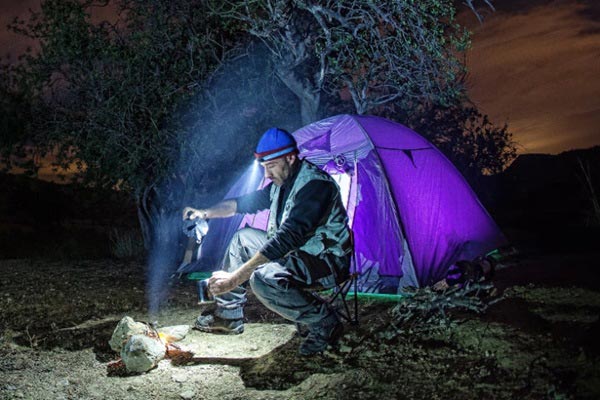
- Fatal mistake: Relying on a mobile flashlight to illuminate the camp or trail at night, or using a traditional flashlight.
- Why is it fatal? Using a mobile flashlight quickly drains your vital battery, which is needed for navigation or emergency calls. A hand light also takes up one hand and eliminates the possibility of working with a rope or pitching a tent.
- Lifesaving alternative: a quality and light headlamp or headlight that has different light modes (low light, high light and red mode to maintain night vision). Always carry a full set of spare batteries in a separate compartment.
6. Navigation: Reliance only on mobile GPS
- Fatal mistake: Trusting 100% GPS apps on your smartphone and not carrying a backup navigation tool.
- Why is it fatal? In emergency situations such as storms, damage or loss, the mobile battery may run out, the screen may be wet or broken, or the area may not have sufficient satellite signal. In this case, you will be completely blind and helpless.
- A lifesaver alternative: a printed paper map of the area (up-to-date and waterproof) along with a classic compass (with instruction). These tools do not require any batteries and can be used in any situation.
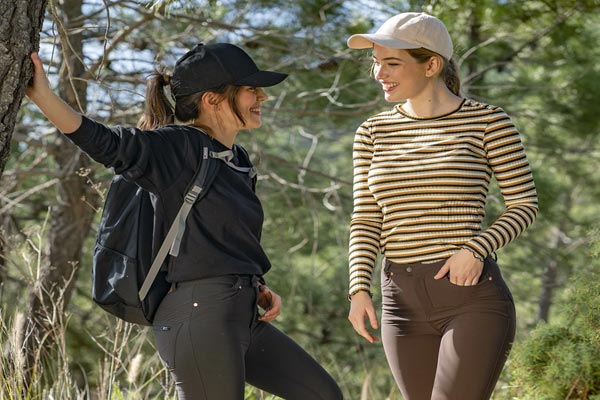
7. 👕 Clothing: wearing cotton clothes
- Fatal Mistake: Wearing cotton or denim as an under or mid layer. This is often overlooked.
- Why is it fatal? Cotton (thread) absorbs moisture (sweat) and dries very slowly. This moisture sucks heat from your body and, even in relatively mild temperatures, seriously increases the risk of hypothermia (a dangerous drop in body temperature).
- A life-saving alternative: following the layering system ( Layering System): 1. Base layer: synthetic fibers (polyester) or merino wool to repel moisture. 2. Mid Layer: Polar or synthetic fibers for thermal insulation. 3. Outer layer: windproof and waterproof jacket and pants to protect against atmospheric factors.
8. 🔪 Knife: Carrying a large and heavy fixed knife
- Fatal mistake: carrying a large and heavy fixed knife or not carrying any cutting tools.
- Why is it fatal? A large knife is usually cumbersome for delicate work (such as cutting bandages or repairing equipment) and adds a lot of weight to the pack. Not carrying a cutting tool prevents you from doing critical tasks like preparing a fire, repairing rope, or building a shelter.
- A lifesaving alternative: a small, high-quality folding knife (preferably locking for safety) or a multi-tool with a suitable blade. These tools are light, safer, and provide the ability to perform a variety of tasks from cooking to repairs.
9. 🔥 Fire: relying only on one source of fire
- Fatal mistake: carrying a regular gas lighter and having no other support to start a fire.
- Why is it fatal? Gas lighters do not work easily at high altitudes and in cold weather or may burn out. Matches become useless if they get wet or break the box. In a survival situation, failure to start a fire can be fatal.
- Life saving alternative: carrying three independent sources of fire:
- Gas lighter/atomic lighter
- Waterproof or storm matches
- Firesteel and tinder (inflammable material like cotton wool soaked in Vaseline): This combination works even after being dropped in water.
10. 🆘 survival kit: ready kit without personal medicine
- Fatal mistake: buying a ready-made first aid kit and using it without any personalization.
- Why is it fatal? Ready-to-use kits do not contain your personal critical medications (such as medications for allergies, headaches, stomach problems, or blood pressure). Also, the adhesives and tools included may not be sufficient for your type of common injury (e.g., severe blisters).
- Lifesaving alternative: Make your own first aid kit or supplement the ready-made kit with these items: personal medications, professional blister treatment kit, anti-allergy and anti-inflammatory drugs, larger sterile gauze and, most importantly, a small guide to common problems.
last word
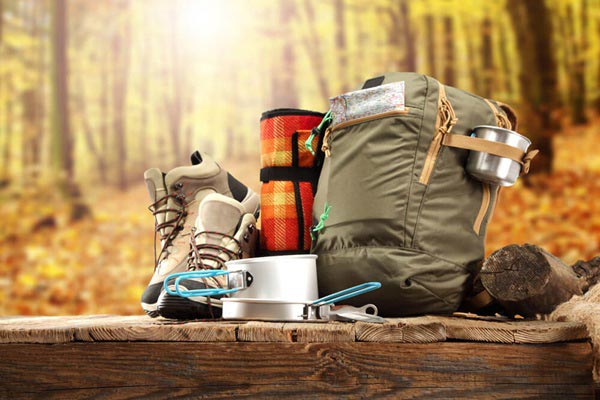
Traveling to the heart of nature requires respect, preparation and proper understanding of the equipment. By avoiding the ten fatal mistakes that we mentioned in this article and choosing the right tools (especially in the shoes, clothing and navigation department), you will not only have a lighter backpack, but you will be more prepared to face any challenge and you can enjoy your adventure with peace of mind.

RCO NEWS
RCO