
Genital herpes in women
Genital herpes is one of the most common viral sexually transmitted infections among women caused by the herpes simplex virus (HSV). Many women may not notice specific symptoms at the beginning, but the disease usually occurs with small, painful blisters or wounds in the genital area.
Burning, itching and sometimes fever and body pain are also symptoms. The main cause of genital herpes transmission is direct sexual contact with the infected person, even if the wounds are not seen at that moment. Knowing the symptoms, identifying the appearance of the lesions, and the timely referral of the physician to treat, play an important role in reducing the complications and preventing the transmission of the disease.
Today in Alamato Article under the title Symptoms of genital herpes in women and its appearance + the cause and treatment of genital herpes in women with us.
Also Read: How do we know that we have genital warts or pimples and herpes
Symptoms of genital herpes in women
Genital herpes in women sometimes has no symptoms, and many women do not even find that they have Herpes virus (HSV). The virus remains silent in the nerve cells after entering the body and may not have any symptoms for a long time. If the virus is activated, the prevalence of herpes occurs. The intensity and number of times of prevalence in individuals vary; Some women may never recur or only have it once, while others experience the symptoms repeatedly.
The first outbreak usually occurs within two weeks after the virus and begins with symptoms such as itching, tingling or burning sensation in the genital or anus. In many cases, general symptoms of influenza are also seen, including fever, headache, muscle pain, lymph nodes swelling, and a feeling of pressure or pain in the abdomen. Some women also report changes in vaginal discharge or pain during urination. After a few days, skin lesions appear in small blisters, full of fluid or painful wounds. These wounds may occur in different parts, including:
- The area around the vagina or anus
- Inside the vagina or on the cervix
- On the hips and thighs
- In the urinary tract (which can cause burning and difficulty in the urine)
- Even in other parts of the body where the virus is entered through skin contact
These blisters are usually burst into an open wound after a while and then heal within 1 to 2 weeks. After the first outbreak, subsequent prevalence are usually milder and shorter, but in some women stress, menstruation, immune system weakness or other diseases can reactivate the virus.
Also Read: Urgent Herbal treatment in three minutes
Appearance of genital herpes in women
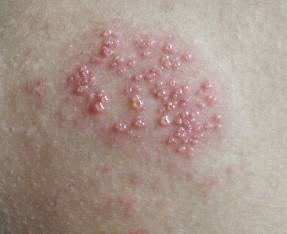
Genital herpes in women, created by the herpes simplex virus (HSV), usually appears as painful skin lesions in the genitals, anal, or surrounding areas such as thighs and buttocks. Initially, symptoms may include itching, burning or mooring in these areas.
Then, small blisters, red, and fluid are formed on the inflamed skin, which are often clustered. These blisters will kill after a few days and become open and shallow wounds that can be very painful, especially when urinating. Over time, the wounds are scalp and gradually heal within 2 to 3 weeks, without usually the wound.
In some cases, general symptoms such as fever, fatigue, headache or swelling of the lymph nodes in the groin can also be seen with these lesions. These symptoms are usually more severe in the first outbreak and may be milder in subsequent remedies.
Also Read: How and When Taking Aseclovir 400 for Herpes
The cause of genital herpes in women
Genital herpes is a common sexually transmitted infection that is the main cause of the herpes simplex virus (HSV). The virus has two types:
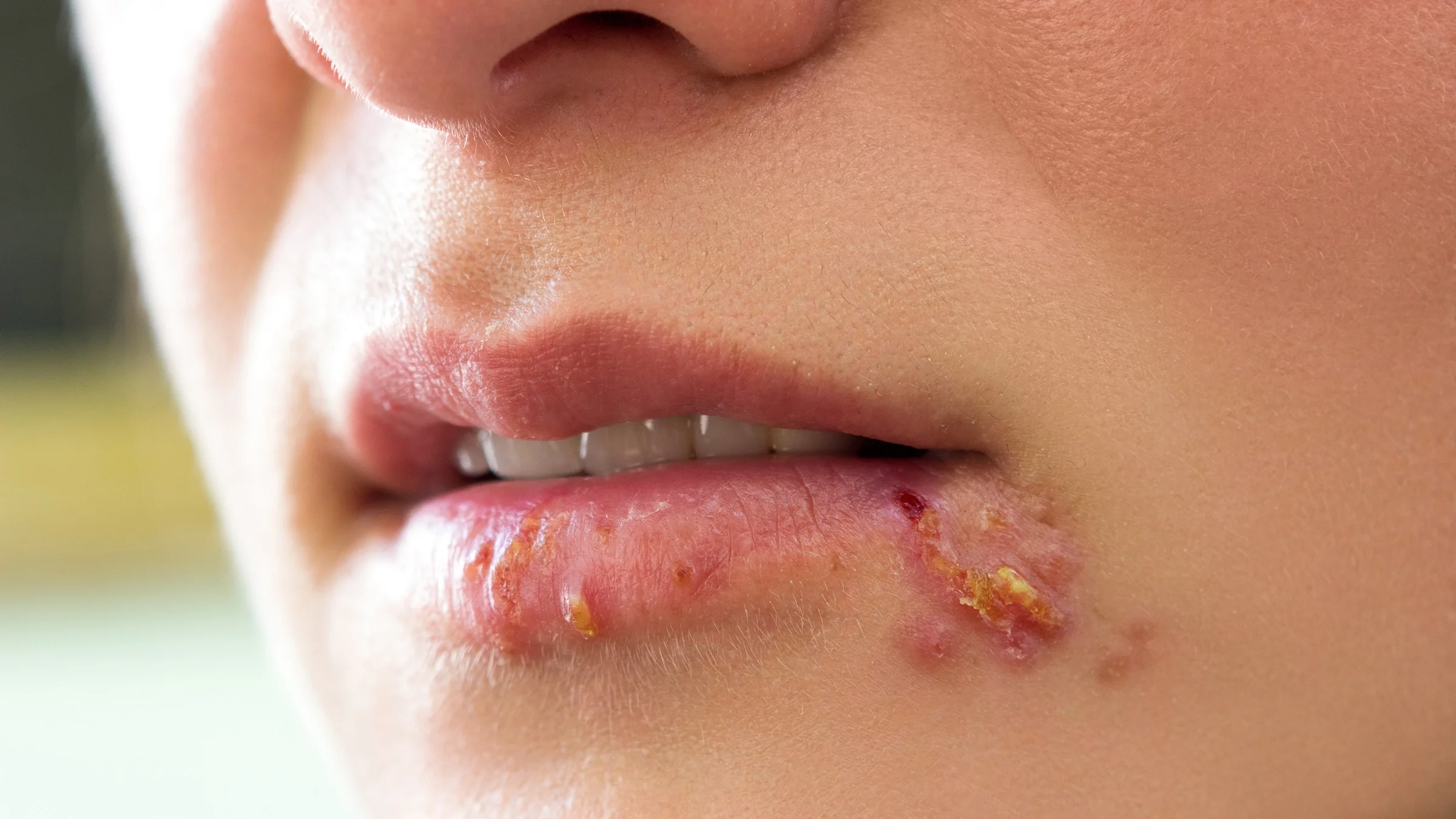
HSV-1: It often causes oral herpes (blisters around the lips and mouth), but can be transferred to the genital area through oral relationship.
HSV-2: The main cause of genital herpes is transmitted mostly through vaginal, anal or oral sex and is very contagious.
The main way to transmit the virus to direct skin contact with the skin or sexual contact with the infected person, even if the wounds or blisters are not seen at that moment. The virus hides in nerve cells after entering the body and stays forever. The virus does not make any symptoms at a time when it is not active, but under certain circumstances it can re -activate and cause symptoms.
Stimulating the virus activation and herpes recurrence in women include:
- Mental and physical stress
- Menstruation and hormonal changes
- Weakness or disruption to the immune system (eg HIV or taking immune suppressing drugs)
- Other infectious diseases or fever
- Severe fatigue or insomnia
Important things to consider:
- The genital herpes virus is not transmitted through objects such as towels or toilets, as it disappears quickly.
- The disease is different from that of genital warts (HPV) and should not be confused with it.
- Pregnant mothers who have genital herpes must tell your doctor; Because it is possible to transmit the virus to the baby during childbirth. In some cases, to prevent risk, the doctor recommends antiviral or even cesarean delivery.
Also Read: Cause of extra meat in men’s genital area
The treatment of genital herpes in women
- Antiviral drugs (tablets and ointments): such as asclovir, wallaclovir and fomsiclovir that prevent the virus from proliferating, reduce symptoms and prevent recurrence.
- Topical ointments and creams: such as viral, zinc oxide, aloe vera, triamcinolone or hydrocortisone that help reduce pain, inflammation and faster healing of wounds.
- Laser Therapy: A new and non -invasive method that reduces inflammation, relieves pain and causes wounds faster.
- Plasma Therapy: A new method for stimulating tissue repair and strengthening the immune system, especially in people who do not respond to the usual treatments.
- Supplements and safety enhancement: such as immunosyers, or ganoderma, which reduce the frequency of recurrence by strengthening the immune system.
- Antibiotics: Only when the wounds develop bacterial infection, they are prescribed by your doctor.
- Home Care: Cold compresses, aloe vera gel or honey, wearing cotton clothing, avoiding sex when the disease is active, adequate sleep, healthy nutrition and stress management.
The last word
In this article, we tried to keep you fully and accurately about your genital herpes. We hope this article will be useful to you.

RCO NEWS
RCO