


Body infection
Sometimes our body is infected with germs, bacteria or viruses. Infection can be superficial and simple, such as purulent wounds on the skin, or deeper and more serious called internal infection. When the infection is formed in the internal organs, the body usually reacts with symptoms such as fever, fatigue, local pain or changes in the function of the body. Understanding these symptoms is very important, because infection can spread if left untreated and cause more problems. On the other hand, there are also simple ways to strengthen the immune system and cleanse the body from infections that help the body improve faster.
How do we find out about our body in Alamato today? What is the symptoms of internal infection + Give you a body cleansing from the infection.
Also Read: How do we find out how we have ovarian or uterine cysts?
How do we find out that our body is infection?
Infection occurs when pathogenic microorganisms such as viruses, bacteria, fungi or parasites enter the body and begin to proliferate. To deal with these factors, the body shows reactions that are visible as clinical symptoms. The most important general sign of infection is fever, which indicates the effort of the immune system to inhibit the invading agent. Along with fever, chills, weaknesses and irregularities, persistent fatigue, headache and body pain also occur.
In addition, depending on the location of the conflict, more specific symptoms appear, for example, in the respiratory infections of the person develop cough, shortness of breath or sore throat, can be seen in urinary tract infections and discoloration or urine odor, and in gastrointestinal infections, symptoms such as nausea, nausea, nausea, nausea. Even skin changes such as redness, swelling or purulent secretion can indicate infection.
The important thing is that some symptoms can be alert and require immediate referral to the doctor, including high and long -term fever, severe weakness, unnecessary weight loss, change in the pattern of excretion (blood in the urine or fecin) or shortness of breath and chest pain. Therefore, paying attention to body changes and understanding these symptoms can be the key to early diagnosis of infection and preventing the progression of the disease.
Also Read: Demaxi Capsule Capsule for Vaginal Infection
What are the symptoms of an internal infection
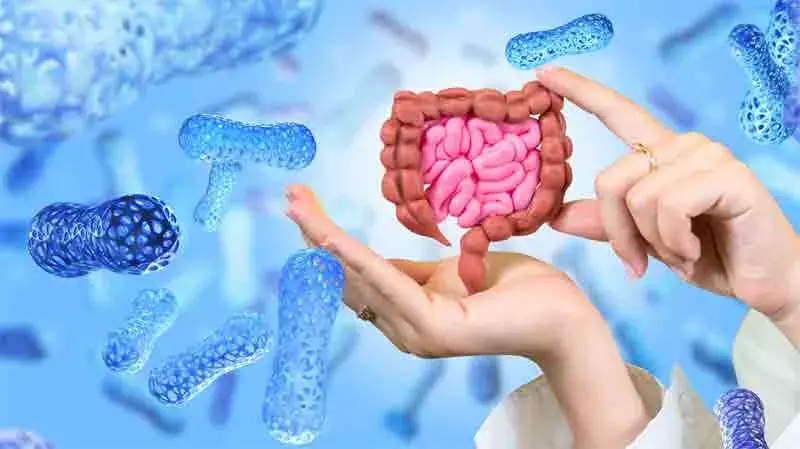
Internal infection occurs when germs enter the inner organs of the body and grow there. These infections can occur in various devices such as digestion, urinary, respiratory or genital and have different symptoms depending on the location of the conflict.
Common general symptoms in men and women
- Fever and chills
- Weakness, fatigue and lethargy
- Headache and body pain
- Nausea, vomiting or diarrhea
- Reducing appetite and insomnia
- Heartbeat or shortness of breath in severe cases
Dedicated symptoms in women
- Abnormal and odorless discharge from the vagina
- Itching or burning vaginal
- Pain or pressure in the pelvic area
- Vaginal bleeding
- Pain during intercourse
Dedicated symptoms in men
- Burning or frequent urination
- Pain in the area of the penis or testicles
- Exit
- Side or back pain associated with fever (in renal infections)
In general, internal infection can start from mild symptoms such as fatigue and lethargy and lead to more serious symptoms such as high fever, severe pain or disruption of limbs. If these symptoms are prolonged or severe, immediate referral to your doctor is necessary to prevent serious complications.
Also Read: Azitromycin ۱۰۰ for Sore Throat Pain

Cleansing of the body from infection
Cleansing the body from infection means helping the immune system to eliminate germs and reduce inflammation in the body. This can be done with both specialized and natural methods, but it is always best to consult your doctor before taking medication or supplements.
- Pusper dryer
These drugs include antibiotics prescribed to treat bacterial infections. The most important of these are amoxicillin, ceficium and clindamycin. The dose and duration of the drug are determined by the physician and the course of treatment must be fully treated to prevent the infection.
People who are allergic to antibiotics, or have liver and kidney problems, and pregnant women should consult a physician before taking these medications.
- Effective herbal demonos
Using herbal demos can help strengthen the immune system and reduce inflammation 2 to 3 times a day. Useful examples: Useful examples:
- Ginger: Anti -inflammatory and immune system booster. How to use: Cut a few fresh ginger and boil in boiling water for 5 minutes, then smooth and honey.
- Thyme: antibacterial and disinfectant. Synthesis: Bake in boiling water for 1 to 2 minutes.
- Chamomile: Reduce inflammation and relaxing.
- Useful fruits and foods
Consuming vitamin C and antioxidant fruits can help cleanse the body:
- Orange and kiwi: Strengthen the immune system and increase energy.
- Pomegranate: Anti -bacterial and help with digestion.
Suitable Time: Orange and kiwi as a snack before lunch, pomegranates after meals or evening meals.
- Natural and homemade materials
Coconut Oil: Antibacterial and antifungal.
Sea Salt: Gargean for water and sea salt to relieve throat inflammation.
- Probiotics and nutrients
Probiotics and kefir yogurt: maintain the balance of beneficial bacteria and strengthen the gastrointestinal tract.
Vitamin D and Omega 3: Strengthen the immune system and reduce inflammation.
- Lifestyle and prevention
Adequate sleep, reduced stress and regular physical activity such as walking.
Personal hygiene, hand washing and avoid contact with patients.
Get recommended vaccines to prevent infectious diseases.
Reduce consumption of sugar and processed foods and focus on a healthy diet, including fruits, vegetables and whole grains.
Also Read: Uterine Infection and Ciprofloxacin Tablet
What to eat for body infection?
Infections occur when the body is encountered with germs, bacteria or viruses. Natural foods, herbs and healthy lifestyles can be used to help the immune system and reduce infection.
- Garlic: Garlic is a natural antibiotic and has antibacterial, antiviral and antifungal properties. One to two raw garlic or adding foods daily can help strengthen the immune system and reduce the risk of infection. If you have severe garlic, you can chop it with honey.
- Ginger: Ginger has anti -inflammatory and disinfectant properties. Fresh or powdered ginger can be added to tea, boiling water with honey and lemons, soups and foods. 1 to 5 grams of ginger daily can help boost the immune system and reduce the risk of infections.
- Thyme: Thyme has antibacterial and antifungal properties and can help fight infection. It is useful for daily tea or add to foods, soups and salads.
- Turmeric: Turmeric contains a compound called curcumin that has anti -inflammatory and disinfectant properties. It can be added to foods or consumed with warm milk (turmeric milk). Daily consumption of 2 to 5 grams of turmeric can strengthen the immune system.
- Echinacea: Echinacea is a popular plant to strengthen the immune system and counteract infection. It can be used in tea, extract or supplement. One to two cups of echinacea tea can help prevent infections daily.
- Peppermint: Peppermint has anti -inflammatory and antibacterial properties. Consuming mint tea or adding fresh leaves to salads and foods helps to strengthen the immune system and reduce the risk of infection. One to two cups of mint tea is recommended daily.
- Chamomile: Chamomile has a sedative and anti -inflammatory effect and can reduce inflammation caused by infections. Chamomile tea consumption is one to two cups of use daily and can strengthen the immune system.
Also Read: How to use Fluconazole for vaginal infection
The last word
In this article, we tried to bring you whatever you need to know about internal infection. We hope this is helpful to you.

RCO NEWS
RCO