


Cheese has a strong presence in our Iranian diet! From breakfast to pizza and lasagna, or even small school sandwiches, we always use cheese. In this article, phytamin talks about the properties of cheese, the best cheese for diet and the benefits of cheese for athletes.
The nutritional value table of the cheese
Is cheese a useful food? Certainly yes! The properties of cheese are numerous for health. Cheese is a good source of essential nutrients and it is best to be in your diet; Unless you are allergic to it!
Cheese calories or cheese protein are generally high, but for each cheese, depending on the brand and its recipe. To better understand the nutritional value of the cheese, consider the nutritional diagram of the cheese (every 2 grams):
| Cheese type | Calories | Protein (warm) | Fat (hot) | Calcium (mg) |
| White cheese | 1 | 1 | 1 | 1 |
| Lactic cheese | 1 | 12 | 1 | 1 |
| Ligwan Cheese | 1 | 1 | 1 | 1 |
| Guda | 1 | 1 | 1 | 1 |
| Cheddar | 1 | 1 | 1 | 1 |
| Parmesan | 1 | 1 | 1 | 1 |
Properties of cheese to lose weight
While cheese is fat and no one guesss that it has a slimming effect, if you choose low -fat cheese and consume it in moderation, it can help you lose weight. Here are some further explaining.
1. Hunger control
Cheese containing CaseinIt is a late digestion protein that inhibits hunger by constantly liberating energy. The fat in the cheese also slows down digestion and feels full and satiety Appetite control It prolongs.
2. Reserve
The protein in cheese is also useful for muscle building and helps maintain muscle mass throughout the diet.
1. Low carbohydrate and suitable for keto
For those who have low carbohydrate diets or Ketogenic diet Have, cheese is a great option; Because it has healthy fat and protein that both help burn fat and prevent muscle loss.
Which cheeses are a better choice for weight loss?
Some cheeses are more suitable for weight loss because they have less calories and fat, but at the same time they have more protein. For example, Feta cheese, Ricota cheese (low -fat type), Swiss cheese and Katij cheese are examples. Categage protein cheese is especially better because of its high protein.
Cheese is well paired with vegetables such as tomatoes and high -fat foods to make a delicious and at the same time a diet!

Properties of cheese for health
Cheese is a valuable and very high -end dairy product that is delicious and tasty. This product is made from milk using fermentation and coagulation processes and contains abundant vitamins and minerals. Research has shown that dairy products such as cheese can help prevent caries in your teeth. We name other health benefits for health.
1. The health of the bones and muscles
Calcium and protein in cheese are great for making strong bones and muscles. The whey protein, the same type of protein used in many muscle -building powder supplements, is abundant in cheese.
Since cheese is made of milk, it is also high in calcium. Calcium can help grow bone, make them stronger, and prevent osteoporosis as they age. Vitamins A, D, K, and zinc in cheese also help bone health.
1. Less inflammation
Dairy fats in cheese contain conjugated linoleic acid (CLA) that reduce internal inflammation of the body and even help prevent heart disease and obesity. Studies show that some high -fat dairy products can be healthy if you use balanced.
1. Reduce blood pressure
The amount of calcium in the cheese is high, this amount of calcium (other than the benefits of bone density) is also useful for lowering blood pressure. Of course, provided they are low -fat and low -fat. If you have hypertension, we recommend try cottage cheese, fata cheese or goat cheese.
1. The protection of blood vessels
Research shows that cheese is a good source of glutathione, antioxidant that helps maintain brain health. This antioxidant property also helps to function better blood vessels.
1. Bowel health
Frequent foods such as cheese and yogurt contain probiotic bacteria. Studies show that healthy gut bacteria can keep cholesterol levels healthy.
Properties of cheese for athletes
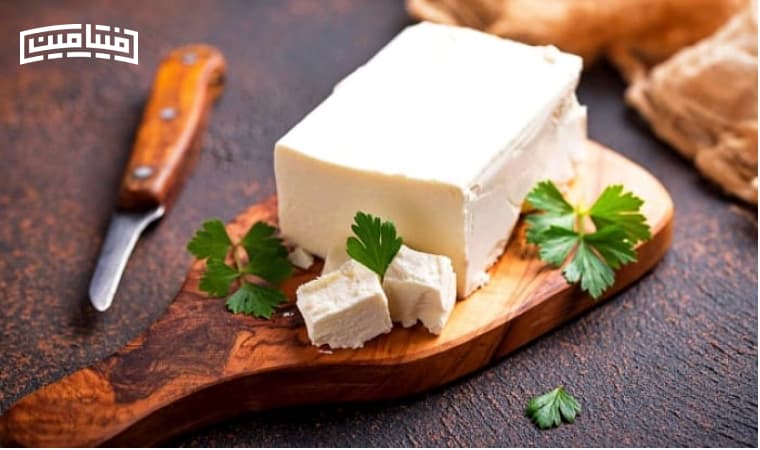
Cheese consumption is very common in bodybuilding and for bodybuilders and athletes is more than breakfast! Of course not just cheese but other types of Dairy in bodybuilding It is very popular and popular. Cheese is high in protein, calcium and vitamins and helps to build muscle, strengthen bones and maintain energy levels. Many athletes include cheese in their diet because of its convenience and nutritional benefits.
The following is a name for cheese for athletes and explains:
1. Muscle repair
Cheese protein is high; Especially casein protein, a protein that releases slowly and continuously the amino acids. This protein helps repair muscle fibers and accelerates the process of muscle recovery during or after training. The amino acids in the cheese strengthen muscle protein synthesis, which is very important for recovery and strength.
We recommend the article “Body recovery” Also read that we have explained other post -exercise recovery points.
1. Bone strength
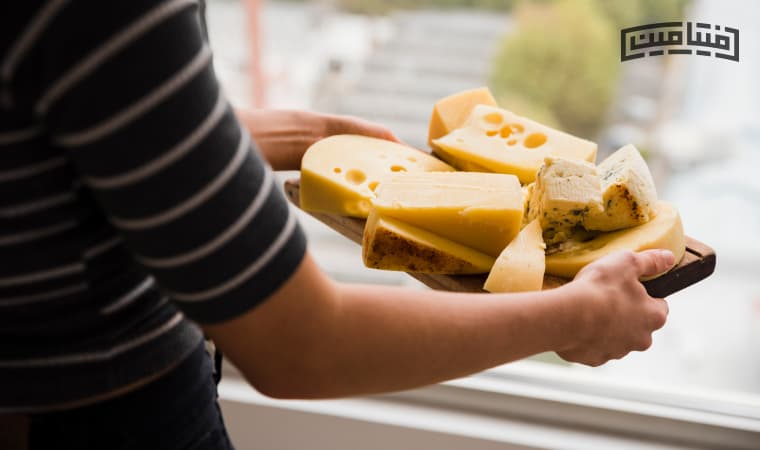
Cheese is high in calcium and vitamin D that are essential for bone strength. Strong bones are critical for athletes to prevent fractures or injuries during high -profile activities. Vitamin A, K and Zinc in cheese are important for athlete bone health.
11. The supply of energy for the sport
The calorie of cheese is noticeable; The healthy fats in the cheese become energy in the body, and the athlete can have enough energy for the training session. The important thing about cheese is that the energy from cheese fats prevents the sudden increase in blood sugar; That is, energy is slowly released and the athlete will have energy for a long time.
We also recommend the article “What to Eat before Exercise?” Also read about useful foods for pre -exercise energy.
12. Supply of electrolyte and hydration
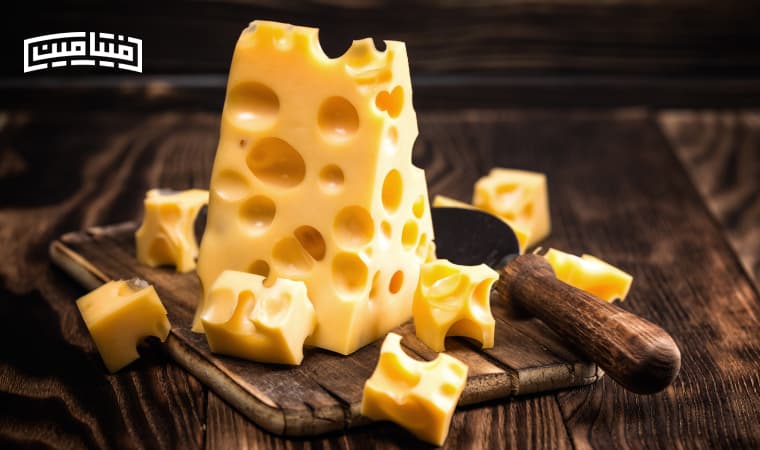
Cheese, especially forms such as Katyeh cheese, contains significant electrolytes (such as sodium and potassium). These electrolytes are very important for the athlete because it reduces muscle cramps and increases the absorption of fluids; In other words, it helps with sports performance.
Properties of cheese for skin and hair
Cheese is rich in vitamins and minerals; Vitamins A, B6, B12, C, D, E, K, Calcium, Zinc, Selenium and Protein are beneficial for skin and hair health that are very present in cheese.
1. Help the health and water supply of the skin and hair
Vitamin A creates a healthy and healthy skin and helps treat acne and sun damage, on the other hand, vitamin B6 supports hair growth and skin water supply.
1. Reducing wrinkles
Protein and zinc in cheese helps to metabolism and cell repair and help strengthen hair and rejuvenate the skin. Selenium and niacin help improve skin problems, reduce wrinkles and maintain moisture, and calcium accelerates skin cells for a more lively appearance.
- TipIn addition, probiotic -rich cheeses support bowel health, which can indirectly improve skin transparency and hair condition. Overall, cheese, when consumed as part of a balanced diet, cultivates healthier, brighter and stronger hair.

What is the healthiest type of cheese?
The healthiest types of cheese are usually those with less calories, saturated fat and sodium, while also having a lot of protein and nutrients. Some of the healthiest cheeses are:
- Katiji cheese: It has little fat and calories, but it has high protein and calcium that makes it a great choice for managing weight and muscle health.
- Mozzarella: Compared to many other cheeses, it has less fat and calories, while it is high in protein and calcium.
- Feta: It is high in calcium and vitamin B12.
- Ricota: Ricota cheese is an Italian cream cheese that contains less salt and has good protein.
- Parmesan: It is high in protein, calcium and other minerals, naturally lactose and is useful for satiety.
- Swiss cheese: Sodium and low fat and high protein and calcium.
- Goat cheese: It is easier for some people to digest and generally have less lactose; But goat cheese has a special taste. Maybe not everyone likes it!
Among these cheeses, Kataye cheese is known as healthier cheese because of its low fat and calories, while also high protein and nutrients.
Complications of cheese overdose: What are the disadvantages of cheese?
Cheese is uncomplicated for most people, but your body may be allergic to cheese. For example, some people are allergic to casein protein in cheese. The allergic reaction to this substance can cause inflammation throughout the body, skin rashes, acne, headaches and sinuses.
On the other hand, if your body cannot digest lactose, natural cheese sugar, you will have gastrointestinal symptoms. Symptoms of lactose intolerance include bloating, abdominal wind and diarrhea.
Finally, if you have severe heart disease, diabetes and hypertension, we recommend eating cheese in moderation.
Final speech
Cheese is one of the most popular dairy products that can help both the health of the body and if it is overwhelmed. In this article, Fitamin talked about the types of cheese, the best cheese for weight loss and other properties of cheese. In the comments section, let us know which type of cheese do you like most?
Frequently asked questions
Does eating cheese cause obesity?
Balanced cheese consumption does not cause any problems, but due to high fat and calories, excessive can lead to weight gain.
Which type of cheese is more suitable for a slimming diet?
Low -fat cheeses such as white and lactic cheese are a better option for weight loss.
What are the benefits of eating cheese at night?
Providing protein and calcium and helping a long satiety are the benefits of cheese at night.
Sources: Webmd, Healthline, Eatingwell

RCO NEWS
RCO