


Insomnia
Insomnia is one of the common problems of sleep that can be a sign of various physical and mental illnesses or problems. When we do not have enough sleep and quality, the next day we will feel tired, reduce focus, and even physical and mental discomfort. Insomnia may be caused by stress, anxiety, chronic pain, hormonal disorders, or diseases such as depression.
What is the symptom today in Alamato’s article called Insomnia? What pills, vitamins or demos for insomnia? We have brought you with us.
Also Read: What to Eat to treat osteoporosis?
Insomnia What is a sign of disease?
Insomnia is sometimes short -lived and resolved after a few days or weeks, but if it lasts more than three months, it can be a more serious problem or illness. Here are some important diseases that may cause insomnia:
- Stress and Sudden Life Changes: Uncomfortable events such as the death of loved ones, or changing the place of residence, can cause temporary insomnia.
- Chronic Pain such as arthritis or back pain: When your body is in pain, it is natural to disrupt your sleep.
- Depression and Anxiety: Negative thoughts and worries come to one night and make it difficult to sleep.
- Sleep apnea (respiratory interruption in sleep): In this disease, sleep breathing is interrupted and attached, causing frequent waking up and poor sleep.
- Diabetes: Frequent urination or thirst at night can cause constant waking up.
- Gastric Reflux (Sour): Gastric acid return to the esophagus causes burning and sleep discomfort.
- Heart Disease: Some heart problems are associated with restlessness, chest pain or shortness of breath that disrupt sleep.
- Asthma: In some patients asthma, cough, or night wheezing prevent deep sleep.
- Hyperthyroidism: Increased thyroid activity keeps the body excitement and makes it difficult to sleep.
- Parkinson’s: This brain disease causes involuntary movements or frequent waking up at night.
- Alzheimer’s: People with Alzheimer’s may be confused at night or wake up early.
Taking certain medications, such as antidepressants, antidepressants, colds, or lean pills (especially those with caffeine) can cause sleep disorders. Hormonal problems, such as hormonal fluctuations in menopause, especially estrogen reduction, may be associated with symptoms such as cramps and insomnia. On the other hand, some sleep disorders, such as restless foot syndrome, make it difficult to sleep by causing an unpleasant feeling in the foot and the need for continuous movement.
Also Read: What food and demos for high cholesterol?
What are the side effects of insomnia?
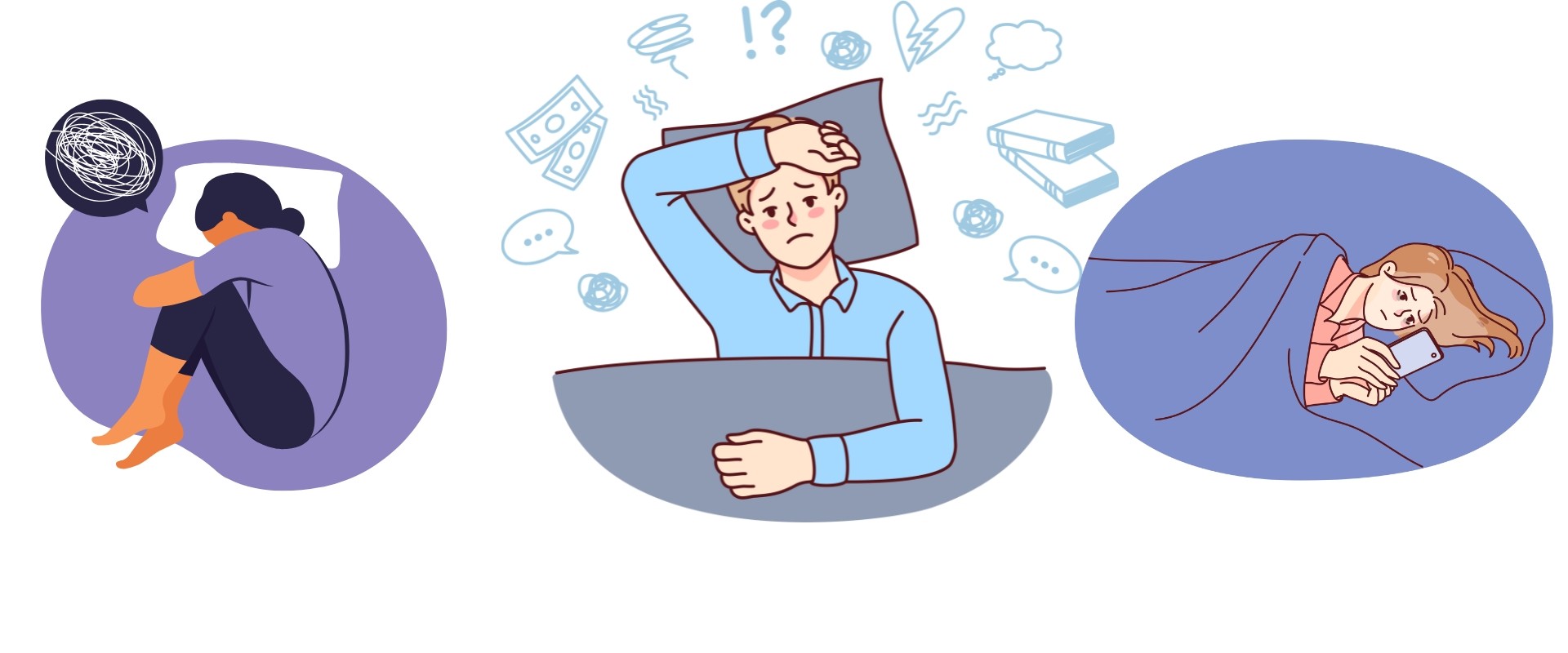
Sleep is as important as healthy nutrition and regular exercise. When insomnia continues, both your soul and body will be damaged. Here’s the most important side effects of insomnia:
1. Impact on the brain and focus: Insomnia makes the brain unable to process or store information properly. The focus is reduced, learning becomes harder and the reactions are slower. This can even increase the risk of accident.
2. Damage to the heart and hypertension: Insomnia increases blood pressure, increases the level of stress hormones (such as cortisol), and inflammation in the body. These factors increase the risk of heart disease and stroke.
3. Increased appetite and overweight: Insomnia disrupts the balance of appetite controlling hormones, causing overeating, reducing metabolism and obesity. The same process can cause diabetes and heart disease.
4. Injury to the skin: Lack of enough sleep causes skin darkness, premature wrinkles and reduces skin freshness. Tired and low -fat skin is one of the first symptoms of chronic insomnia.
5. Eye Problems: Insomnia causes blurred vision, eye jump, dryness and sensitivity to light. In the long run, it may increase the risk of diseases such as glaucoma (black water).
6. Weakening the immune system: Lack of sleep reduces the body’s resistance to viruses and diseases and slows down the recovery rate in case of illness.
7. Increased blood sugar and the risk of diabetes: Insomnia can reduce insulin sensitivity even in the short term and increase blood sugar levels. This is one of the reasons for the relationship between inadequate sleep and type 2 diabetes.
8. Nerve problems and Alzheimer’s risk: Low sleep causes damage to neurons (nerve cells) and increases the risk of neurological diseases such as Alzheimer’s.
9. Psychological complications: Insomnia is directly related to depression, anxiety, and even suicidal thoughts. Many people who do not have enough sleep experience an unstable and early mood.
10. Reduce quality of life: Insomnia reduces one’s performance at work, education, social relationships and everyday life. Side insufficiency, drowsiness per day, reduced focus and memory disorder are among the complications.
11. Insomnia for women: Women are more likely to be exposed to problems such as depression, anxiety, hypertension, obesity, and insomnia. Hormonal disorders during menstruation, pregnancy or menopause also exacerbate this problem.
Also Read: The cause of sweating head and neck in sleep

The best medicine for insomnia at night
- Zolpidem: Take a fast -paced drug with only a doctor’s prescription and low dose. Not suitable for pregnancies.
- Zopicone: helps regulate the calming chemical of the brain (GABA). Its long consumption may cause dependence.
- Asopicone: It is a central nervous system relaxation group. It should not be consumed more than 1 to 2 weeks.
- Taramadon: Antidepressant, which is prescribed at a low dose to help sleep, sleepy and less complications.
- Doxepine: A drug for chronic insomnia. Suitable for people who wake up at night have some limitations.
- Ramleton: It resembles melatonin hormone and does not make a dependency. Is more safe for long -term use.
- Melatonin: Natural sleep hormone is used to supplement mild sleep and has few side effects.
- Diphene Hydramin: A type of sleepy antihistamine that is sometimes used for temporary treatment of insomnia.
- Clonazepam: Anxiolytic and anti -synthetic drug is sleepy but should only be taken with your doctor’s opinion.
- Alprazolam: It is commonly used for anxiety but also has a sleeping effect, it is dependent.
- Magnesium: Magnesium deficiency can disrupt sleep. Its supplementation helps to sleep better.
- Vitamin B6: Deficiency of this vitamin can disrupt sleep. Its supplement helps adjust melatonin and sleep.
What pill to eat for insomnia?
For the treatment of insomnia, depending on the severity of the problem and its cause, there is sometimes a need to take sleeping medications. These medications are usually taken by your doctor’s prescription and help the body sleep more easily or improve sleep quality. One of the most well -known sleeping drugs can be greetedNadiazepines like diazepam, lurazepam, flurazepam, chlorofoxide and exzazepam He mentioned. Melatonin (normal sleep hormone) and drugs such as diphenhydramine and promethazine also have sleepy properties, although their main purpose is to treat allergies or nausea.
However, if you ask yourself what to eat for insomnia? It should be noted that no medication should be taken without consulting a doctor. Drugs like Zanax or Alprazolam, although drowsiness, may be extremely addictive and disrupting concentration and memory. Long -term use of many of these drugs can be dangerous to the nervous system and even at high doses.
Also Read: What is the reason for the left and right hands to sleep?

What vitamin to eat for insomnia?
Insomnia is one of the common problems that many people are involved in. One of the lesser known causes is the deficiency of some vitamins and minerals in the body. Nutrition plays an important role in sleep health, and when the body is deficient in micronutrients such as vitamins B, D, iron and magnesium, the sleep cycle may disrupt and the person becomes insomnia. For this reason, paying attention to healthy and balanced nutrition can be very effective in improving sleep quality.
Specifically, vitamin B deficiency may cause insomnia by causing or exacerbating the symptoms of depression, which is more common in people who have a vegetarian diet. On the other hand, vitamin D also helps to regulate sleep and decreases, which is often due to lack of sunlight, may make sleeping harder. Therefore, it is recommended to take supplements or exposure to sunlight (at least 5 minutes a day).
In addition, iron and magnesium play an important role in sleep. Iron deficiency can lead to restlessness and a decrease in melatonin and serotonin levels, which are vital for regulating sleep and mood. Magnesium also makes it easier to sleep by helping the muscles relax and enhancing melatonin production. Eating foods such as red meat, liver, nuts, green leafy vegetables and fruits such as oranges can help supply these ingredients and help better sleep.
What demonos to eat for insomnia?
Chamomile Tea: One of the most famous demos is to sleep. It helps reduce stress, anxiety, and heartache and contains antioxidant called apighine, which makes the nerves relaxed and easier to sleep.
Lavender tea: It has a pleasant smell and a sedative effect. Eating or even inhaling its aroma before bedtime can reduce anxiety and deepen sleep.
Valerian tea: It has long been used to treat anxiety and insomnia. It is likely to act in the brain with an increase in GABA. Consult your doctor for continuous use.
Flower Flower Tea: With increasing GABA in the brain, it helps reduce anxiety and improve sleep and has similar effects to some sedatives, but with fewer complications.
Lemon lemon tea: It is a mint family with an aroma and helps to relax, reduce restlessness and improve sleep.
Ashwaganda teaA traditional plant in Ayurveda medicine that has anti -stress effects and is especially effective for people with insomnia.
Tully Tea (Holy Basil): Helps the body to cope with stress, balances cortisol levels and provides better sleep.
Ginger Tea: It is more commonly used to calm the stomach and reduce inflammation, but it also has a sedative effect and helps sleep.
Mint Tea: It has menthol that relaxes the muscles and reduces stress. It is also suitable for digestion and is a good drink for bedtime.
These demos can be used as a natural solution to improve night sleep, when insomnia is caused by stress or physical discomfort.
Also Read: What is a Sleep Sleep? What is the shortage

The last word
In this post we tried to examine all the treatments for insomnia and its causes.

RCO NEWS
RCO